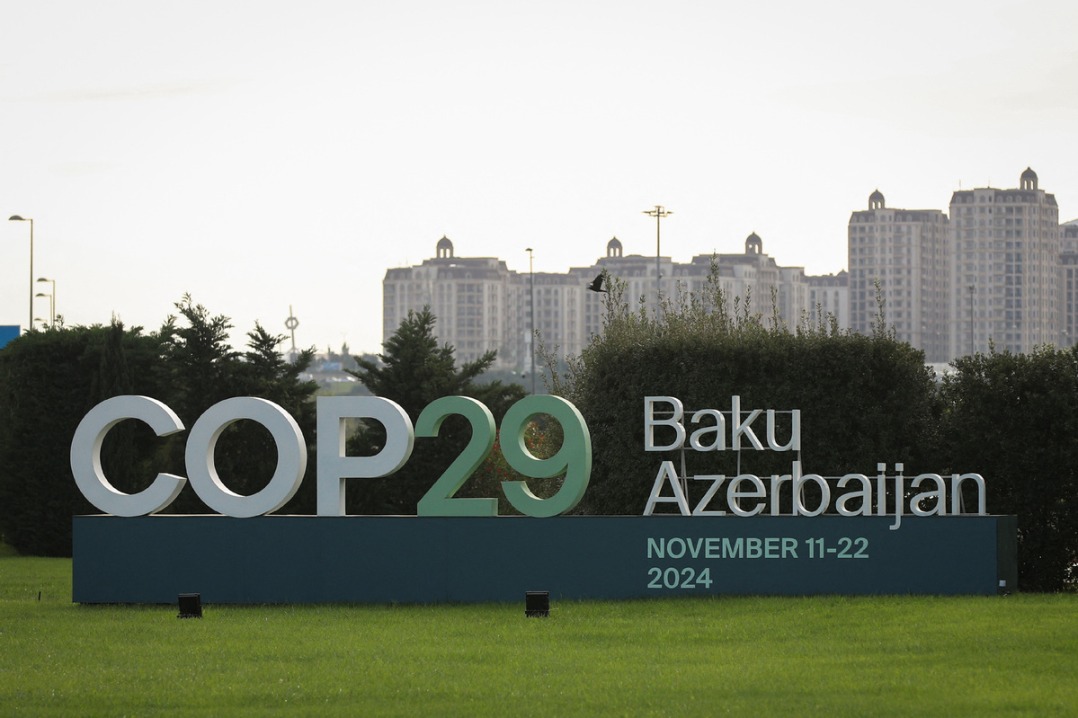
The South African parliament has called on developed countries to demonstrate meaningful financial commitment towards combating climate change, as discussions at COP29 in Baku continue to expose divisions between wealthier and developing nations. In a statement, the Portfolio Committee on International Relations and Cooperation emphasised that advanced economies must address the environmental damage caused by their reliance on fossil fuels by offering adequate financial support to global climate initiatives.
COP29 has seen intense debate over climate finance, with a contentious draft document proposing contributions ranging from $441 billion to $2 trillion annually. However, consensus remains elusive, as developing nations, including the African Group and G77, argue that existing proposals fail to meet their demands for fair representation and accountability. This deadlock reflects broader tensions between the Global North and South, particularly over the historical responsibility of industrialised nations for greenhouse gas emissions.
Supra Mahumapelo, chairperson of South Africa’s committee, criticised the inconsistency between Western nations’ rhetoric and actions. “If developed countries refuse to commit resources, smaller economies like South Africa will have no choice but to rely on coal for energy needs,” he stated, urging urgent action to maintain the goal of limiting global temperature rises to 1.5°C by 2050.




This impasse recalls unfulfilled promises from COP15 in 2009, where developed nations pledged $100 billion annually by 2020. That target was only met in 2022, and even then, loans dominated the financial support provided. As COP29 nears its conclusion, frustrations are mounting, with Global South representatives pushing for financial mechanisms that address their unique vulnerabilities to climate change while demanding greater accountability from developed nations.