South Africa’s ruling African National Congress (ANC) has confirmed the expulsion of former President Jacob Zuma after the party’s National Disciplinary Committee of Appeal upheld a prior decision by the National Disciplinary Committee. This decision, announced on Friday, cements the ANC’s position regarding Zuma’s alleged deviation from its foundational principles and political discipline.
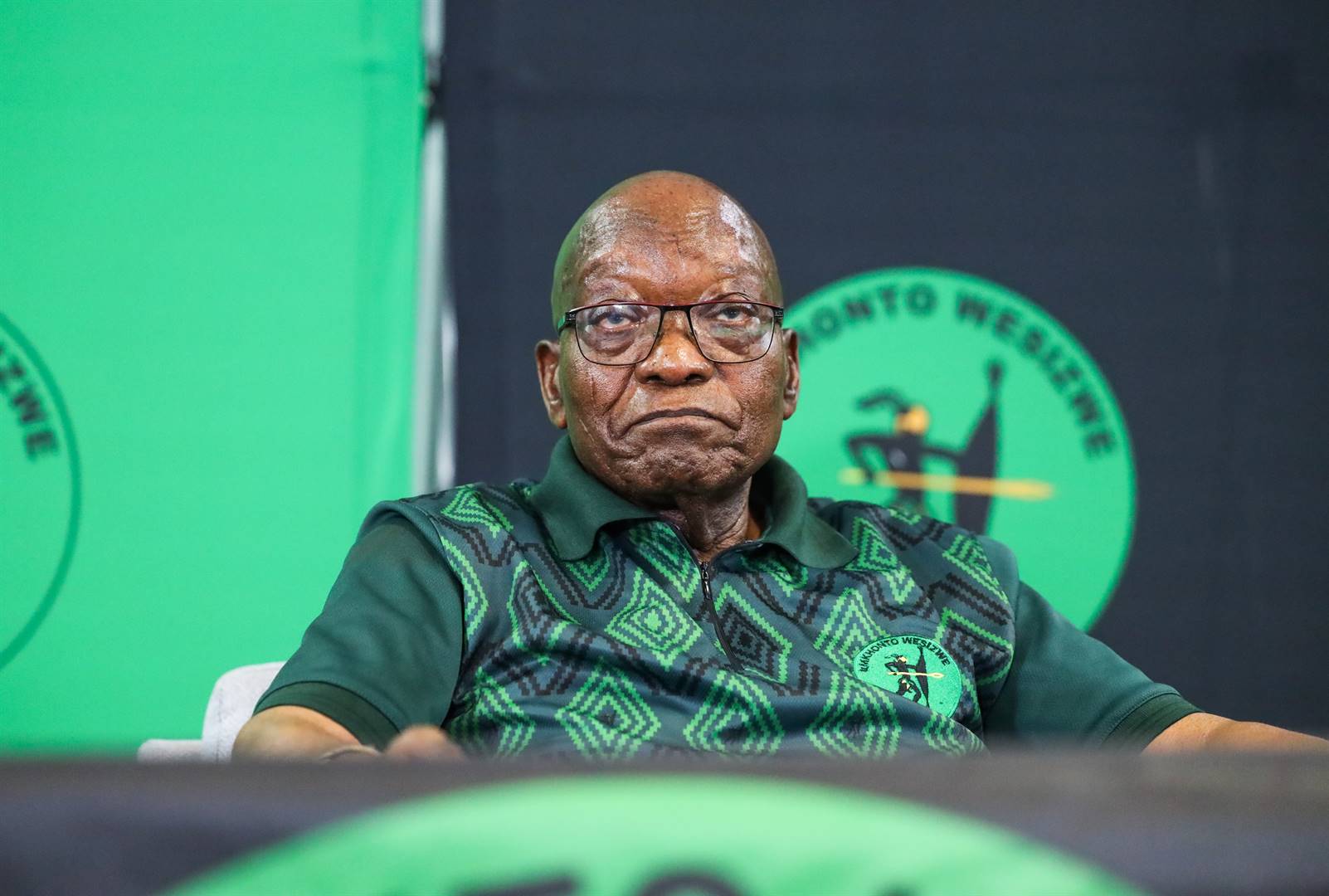
The former president, who served from 2009 to 2018, was initially suspended in January following his endorsement and leadership of the uMkhonto weSizwe Party, a splinter group established in defiance of the ANC. By July, Zuma faced expulsion, a ruling he subsequently sought to overturn through an appeal process. However, the appeal committee rejected his case, citing his breach of organisational loyalty and collective accountability.
The ANC, in a statement, described Zuma’s actions as an affront to the party’s unity and ideological coherence, asserting that his decision to spearhead a rival political entity was tantamount to destabilisation. “By establishing and leading a rival political party, he abandoned the core values of organisational loyalty and collective accountability, converting himself into a tool for destabilisation,” the statement read.




The decision reflects the ANC’s longstanding emphasis on revolutionary discipline, a key pillar in its pursuit of unity and cohesion within its ranks. Despite the significance of Zuma’s expulsion, it also underscores the broader challenges faced by the ANC as it contends with internal divisions and evolving political dynamics ahead of South Africa’s general elections scheduled for 2024.
Zuma’s political trajectory has been characterised by both prominence and controversy. Having assumed the presidency under the ANC’s banner in 2009, his tenure was marked by allegations of corruption, state capture, and an erosion of public trust in governance. Following his resignation in 2018 under pressure from the ANC, Zuma’s subsequent actions have further strained relations with his erstwhile political allies.
This development raises pertinent questions regarding the ANC’s capacity to maintain internal solidarity amidst increasing pressures from opposition parties and a splintering political landscape. While the ANC continues to position itself as the custodian of South Africa’s democratic legacy, its handling of internal dissent will likely shape perceptions of its leadership in the months to come.
The expulsion of Zuma, a figure who remains divisive within South Africa’s political discourse, is a significant moment for the ANC as it navigates the intricate balance between enforcing discipline and managing ideological pluralism. His legacy, interwoven with the broader history of South Africa’s post-apartheid transformation, remains a point of contention both within and beyond the party.