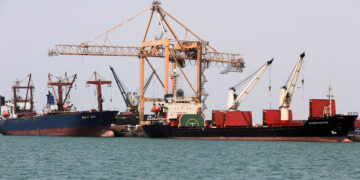
Côte d’Ivoire has mobilised 4.242 trillion CFA francs, equivalent to approximately 7.6 billion United States dollars, in private investment between 2021 and 2025, according to figures released by the country’s investment promotion authority. The announcement reflects Abidjan’s continued efforts to position the country as a regional economic hub within West Africa and the broader continent.
The figures were presented by Solange Amichia, Director General of the Centre for Promotion of Investments in Côte d’Ivoire, known as CEPICI, the state agency mandated to facilitate and approve private sector investments. Further information on the agency’s mandate and operations is available via the Government of Côte d’Ivoire and the official CEPICI institutional platform. According to the agency, approved private investment in 2025 reached 812 billion CFA francs, or roughly 1.46 billion dollars, representing a reported increase of 9.6 per cent compared with 2024.
The services, industry and agriculture sectors accounted for a significant share of approved projects. These sectors have consistently been prioritised within Côte d’Ivoire’s national development strategies, including the National Development Plan, which emphasises structural transformation, value addition and employment generation. International financial institutions have observed Côte d’Ivoire’s sustained economic growth over the past decade, with performance frequently exceeding the regional average prior to global economic disruptions. A country overview can be accessed through the World Bank country profile.



In parallel with investment approvals, CEPICI reported that 26,948 enterprises were created in 2025, representing a 6 per cent increase compared with the previous year. While enterprise creation does not necessarily equate to long term business survival or scale, the data suggests continued dynamism within the formal sector. Analysts often note that registration figures should be assessed alongside indicators such as access to finance, regulatory reform and infrastructure development to evaluate their broader economic impact.
On the social policy front, Mamadou Touré, Minister for Youth Promotion, Professional Integration and Civic Service, announced the establishment of a special fund valued at 4.3 billion CFA francs, or approximately 7.7 million dollars, aimed at supporting youth organisations. Youth employment remains a structural challenge across much of Africa, where demographic expansion outpaces formal job creation. Côte d’Ivoire’s approach aligns with continental frameworks that emphasise inclusive growth and youth participation, themes regularly addressed by the African Development Bank, headquartered in Abidjan.
The minister further indicated that internship allowances would increase from 45,000 to 75,000 CFA francs per month, aligning them with the guaranteed minimum wage. Adjustments to stipends and wage floors are often framed by governments as mechanisms to protect purchasing power and strengthen labour market participation, particularly among young graduates entering the workforce.

Côte d’Ivoire, one of the world’s leading cocoa producers and a diversified economy within the West African Economic and Monetary Union, has sought to balance macroeconomic stability with industrialisation and services expansion. Macroeconomic assessments and fiscal data are available through the International Monetary Fund country page for Côte d’Ivoire and the regional central bank of the monetary union.
From a Pan African perspective, the reported mobilisation of private capital and the expansion of youth support mechanisms reflect ongoing efforts across the continent to assert policy agency, deepen domestic capital formation and strengthen institutional capacity. Rather than presenting growth solely through external benchmarks, Côte d’Ivoire’s experience underscores the importance of nationally driven development frameworks shaped by domestic priorities and regional cooperation.
As African economies continue to navigate global volatility, debt pressures and climate related risks, the sustainability and inclusiveness of investment flows will remain central to long term outcomes. The latest figures from Abidjan contribute to a broader continental conversation about how African states can harness private capital, support youth participation and pursue development pathways grounded in their own social and economic realities.