
Tuesday, April 14, 2026
  • Login
The Southern African Times
  • Home
  • Southern Africa
  • Business
    • African Start ups
    • African Continental Free Trade Area
  • Technology
    • Lifestyle
      • Health
      • Culture
      • Food and Drink
      • Entertainment
  • Opinion
  • Sports
  • SAT Jobs
    • Events
  • About Us
    • Advertise with Us
    • Contact Us
No Result
View All Result
  • Home
  • Southern Africa
  • Business
    • African Start ups
    • African Continental Free Trade Area
  • Technology
    • Lifestyle
      • Health
      • Culture
      • Food and Drink
      • Entertainment
  • Opinion
  • Sports
  • SAT Jobs
    • Events
  • About Us
    • Advertise with Us
    • Contact Us
No Result
View All Result
The Southern African Times
No Result
View All Result
Home Markets

Coca Cola system reports R51.2 billion economic impact in South Africa

by SAT Reporter
March 24, 2026
in Markets
0
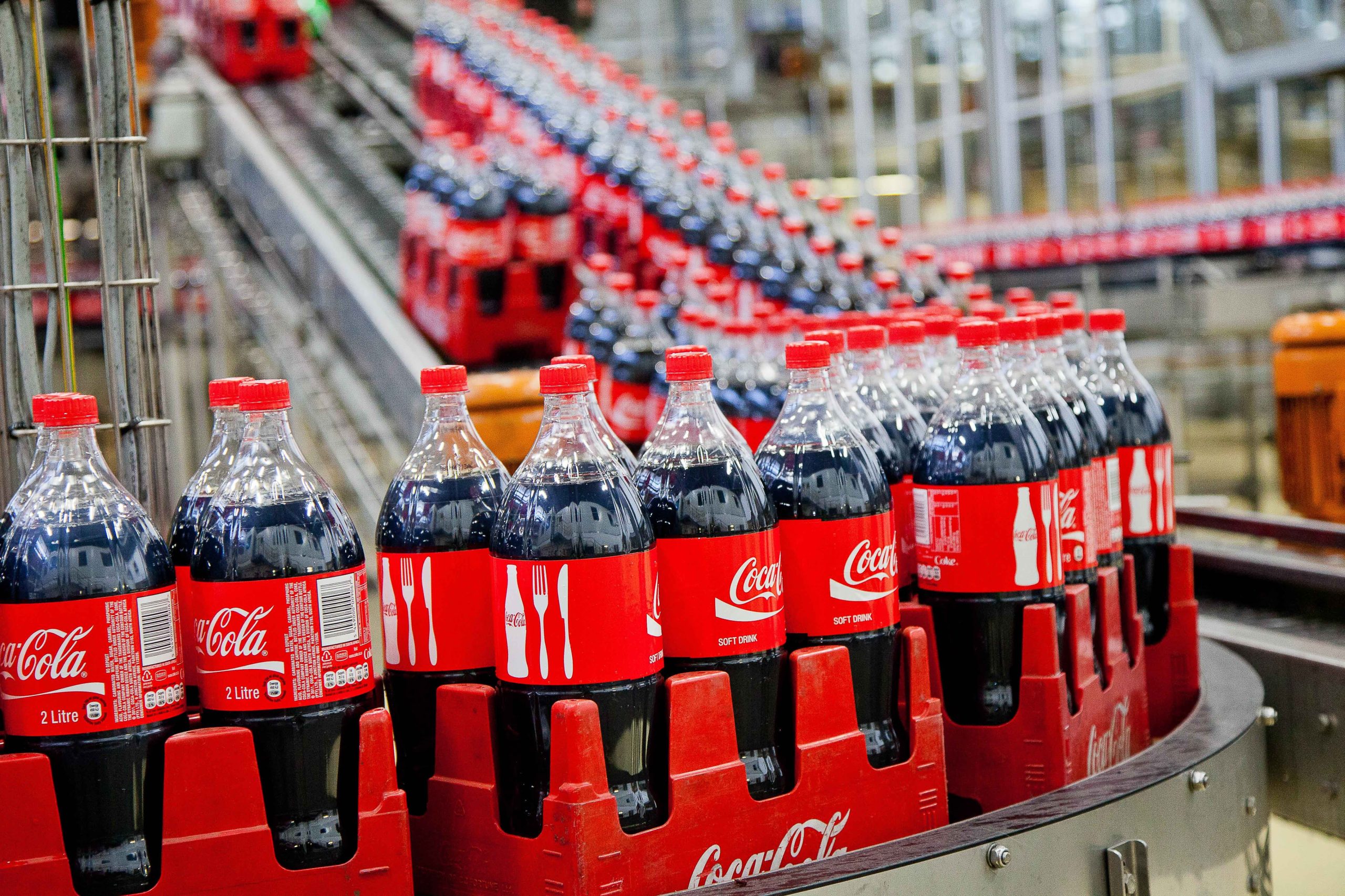
Coca Cola system reports R51.2 billion economic impact in South Africa

Arecent socio economic impact assessment indicates that the Coca Cola system contributed an estimated R51.2 billion in value added economic activity in South Africa during 2024, underscoring the scale at which multinational beverage operations are embedded within national and regional economies. The findings, released in Johannesburg and conducted by consultancy Steward Redqueen, also suggest that more than 87000 jobs were supported across the company’s extended value chain, spanning agriculture, manufacturing, retail, logistics and services.

According to the study, the Coca Cola system which includes the parent company and its authorised bottling partners operates through an interconnected network of local suppliers, distributors and retailers. This networked model is presented as a key mechanism through which economic value circulates beyond direct corporate operations into wider communities and sectors.

The report further states that approximately R25.6 billion was spent on locally sourced goods and services in 2024, reflecting a procurement approach that draws significantly on domestic industries. Sectors linked to this expenditure include sugar production, packaging, transport and marketing, each forming part of a broader industrial ecosystem that sustains both formal and informal economic activity.


ADVERTISEMENT

Speaking at a media briefing ahead of the 2026 South Africa Investment Conference, representatives of the company emphasised the extent to which localised production and distribution systems shape the company’s footprint. Statements highlighted that employment effects extend beyond direct hires, with the study estimating that for every job within the Coca Cola system, up to ten additional roles are supported elsewhere in the economy.

The findings align with wider patterns observed in African markets, where large scale consumer goods companies often operate through decentralised supply chains that integrate smallholder agriculture, township retail networks and regional logistics corridors. In this context, the reported economic contribution may be understood not only in terms of aggregate monetary value, but also in relation to how such systems interact with existing socio economic structures across Southern Africa.

At the same time, the report situates South Africa within the company’s longer historical presence on the continent, dating back to 1928. This continuity is framed as part of an evolving relationship between multinational capital and African economies, where investment, localisation strategies and regulatory environments continue to shape outcomes in complex and sometimes uneven ways.

Beyond economic indicators, the company referenced its participation in the Africa Water Stewardship Initiative, a multi country programme intended to address water security challenges across 20 African countries through investments projected to reach approximately 25 million US dollars by 2030. Such initiatives are increasingly positioned alongside core business operations as part of a broader development narrative, although their long term impacts remain subject to ongoing assessment.

The study’s methodology combined company data with external economic modelling to estimate direct, indirect and induced effects across the value chain. While such approaches are widely used in impact analysis, they also depend on underlying assumptions regarding multiplier effects and sectoral linkages, which can vary across contexts.

As African economies continue to navigate industrialisation, regional integration and demographic shifts, the role of multinational firms remains a subject of active debate. Contributions in terms of employment and supply chain development coexist with broader questions around market concentration, sustainability and equitable growth.

Within this landscape, the Coca Cola system’s reported economic footprint in South Africa offers a case study of how global brands are embedded within African economies through locally rooted yet globally connected systems of production and exchange. The extent to which such models contribute to inclusive and resilient development across the region will likely continue to be examined by policymakers, researchers and communities alike.

Tags: African developmentCoca Cola systemeconomic impact Africaemployment South Africaindustrial ecosystemsLocal Procurementmultinational corporations AfricaSouth Africa economySteward Redqueenvalue chain impact
Previous Post

Nigeria signals potential oil output increase amid shifting global supply dynamics

Next Post

Namibia Rejects Starlink Licence Over Local Ownership Rules

SAT Reporter

Related Posts

China’s Zero Tariff Policy Opens New Export Pathways for Zimbabwe’s Blueberry Industry
Markets

China’s Zero Tariff Policy Opens New Export Pathways for Zimbabwe’s Blueberry Industry

by SAT Reporter
April 12, 2026
Africa’s Growth Holds Steady but Beneath the Surface Pressures Are Mounting
Markets

Africa’s Growth Holds Steady but Beneath the Surface Pressures Are Mounting

by SAT Reporter
April 12, 2026
South Africa’s Private Sector Returns to Modest Growth as PMI Edges Above 50
Markets

South Africa’s Private Sector Returns to Modest Growth as PMI Edges Above 50

by SAT Reporter
April 8, 2026
WTI Crude Drops 4 Per Cent to $108.50 on Hormuz Tensions
Markets

WTI Crude Drops 4 Per Cent to $108.50 on Hormuz Tensions

by SAT Reporter
April 8, 2026
African Capital Markets Conference spotlights diaspora capital for market growth
Markets

African Capital Markets Conference spotlights diaspora capital for market growth

by SAT Reporter
April 7, 2026
Next Post
Namibia Rejects Starlink Licence Over Local Ownership Rules

Namibia Rejects Starlink Licence Over Local Ownership Rules

Browse by Category

  • Africa AI
  • African Continental Free Trade Area
  • African Debt
  • African Start ups
  • Agriculture
  • AI Africa
  • Algeria
  • All News
  • Analysis
  • Angola
  • Arts / Culture
  • Asia
  • Botswana
  • BOTSWANA
  • BREAKING NEWS
  • BRICS
  • Burkina Faso
  • Burundi
  • Business
  • Business
  • Business Wire
  • Cameroon
  • Central Africa
  • Chad
  • China
  • Climate Change
  • Climate Changev
  • Community
  • Congo Republic
  • Conservation
  • Côte d’Ivoire
  • COVID 19
  • CRYPTOCURRENCY
  • Culture
  • Democratic Republic of Congo
  • Diplomacy
  • Eastern Africa
  • Economic Development
  • Economy
  • Education
  • Egypt
  • Elections 2024
  • Energy
  • Entertainment
  • Environment
  • Eritrea
  • Ethiopia
  • Europe
  • Fashion
  • Feature
  • Finance
  • Financial Inclusion
  • Food
  • Food and Drink
  • Foods
  • GABON
  • Ghana
  • Global
  • Global Africa
  • Guinea
  • Health
  • Immigration
  • in Southern Africa
  • International news
  • International Relations
  • Ivory Coast
  • Just In
  • Kenya
  • Lesotho
  • Libya
  • Life Style
  • Lifestyle
  • Literature
  • Malawi
  • Malawi
  • Mali
  • Markets
  • Mauritius
  • Middle East
  • Mining in Africa
  • Morocco
  • Mozambique
  • Namibia
  • niger
  • Niger
  • Nigeria
  • North Africa
  • North-Eastern Africa
  • Obituaries
  • Obituary
  • Opinion
  • PARTNER CONTENT
  • Politics
  • Property
  • Racism
  • Rwanda
  • Rwanda
  • SADC
  • SAT Interviews
  • SAT Investigation
  • SAT Jobs
  • Saudi Arabia
  • Senegal
  • Seychelles
  • South Africa
  • South Sudan
  • Sports
  • Startup Africa
  • STOCK EXCHANGE
  • Sudan
  • Sustainability
  • Sustainablity
  • Tanzania
  • Technology
  • Telecommunications
  • The Editorial Board
  • The Power Of She
  • Togo
  • Trade
  • Travel
  • Travel
  • Tunisia
  • Uganda
  • Uncategorized
  • Wealth
  • West Africa
  • World
  • World
  • ZAMBIA
  • Zambia
  • ZIMBABWE
  • Zimbabwe

Browse by Tags

#NewsUpdate #SouthAfrica #SouthernAfricanTimes #TheSouthernAfricanTimes AfCFTA africa African Continental Free Trade Area African development African Development Bank African economies African economy African Union Agriculture Angola Botswana Business China Climate change Cyril Ramaphosa Economic Development economic growth energy transition fiscal policy food security industrialisation Inflation Infrastructure Development International relations Investment Kenya Mozambique Namibia news Nigeria Regional Integration renewable energy Rwanda SADC South Africa Southern Africa sustainable development Tanzania United States Zambia Zimbabwe
ADVERTISEMENT

WHO WE ARE

The Southern African Times is a regional bloc digital newspaper that covers Southern African and world news. The paper also gives a nuanced analysis on news and covers a wide range of reporting which include sports, entertainment, foreign affairs, arts and culture.

Welcome Back!

Login to your account below

Forgotten Password?

Retrieve your password

Please enter your username or email address to reset your password.

Log In

  • Home
  • Southern Africa
  • Business
    • African Start ups
    • African Continental Free Trade Area
  • Technology
    • Lifestyle
      • Health
      • Culture
      • Food and Drink
      • Entertainment
  • Opinion
  • Sports
  • SAT Jobs
    • Events
  • About Us
    • Advertise with Us
    • Contact Us
Are you sure want to unlock this post?
Unlock left : 0
Are you sure want to cancel subscription?