Circle, a United States based financial technology company listed on the New York Stock Exchange, has announced a collaboration with Sasai Fintech, part of Cassava Technologies, with the stated aim of expanding access to its USDC stablecoin across African markets. The partnership reflects a broader trend in which digital financial tools are being adapted to contexts shaped by mobile connectivity, cross border trade, and evolving regulatory environments across the continent.
According to information released by Circle, USDC is a fully reserved stablecoin designed to maintain parity with the United States dollar and issued through regulated entities. The company has positioned the asset as a mechanism for enabling programmable payments and reducing frictions in financial transactions. Through its collaboration with Sasai Fintech, Circle intends to explore practical use cases for USDC within African payment ecosystems, particularly those involving remittances, enterprise payments, and consumer transactions.
Sasai Fintech operates across several African payment corridors and provides a suite of services that include cross border transfers, digital wallets, and payment processing for businesses. Its parent company, Cassava Technologies, has developed digital infrastructure across multiple African regions, including fibre networks, data centres, and fintech platforms. The integration of USDC into Sasai’s systems is expected to test how blockchain based settlement mechanisms might affect transaction costs and settlement times in these environments.



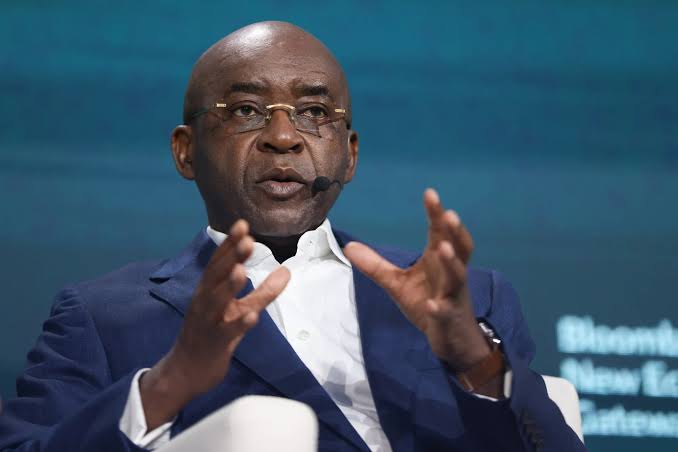
Public statements from both organisations emphasise financial inclusion and the potential to connect African users to global financial systems. Strive Masiyiwa, founder and executive chairman of Cassava Technologies, has highlighted the role of entrepreneurship and intra African trade in shaping the continent’s digital economy. Jeremy Allaire, Circle’s co founder and chief executive, has pointed to emerging markets as significant drivers of stablecoin adoption, noting that Africa represents a context where mobile first financial solutions have already achieved scale.

Available industry data indicates that stablecoin usage has grown in several African markets in recent years, often linked to currency volatility, demand for efficient remittance channels, and limited access to international banking services. However, adoption remains uneven and is influenced by national regulatory frameworks, digital infrastructure gaps, and varying levels of trust in digital assets. Analysts have also noted that while stablecoins may reduce certain transaction costs, they introduce new considerations related to compliance, liquidity, and governance.
The collaboration between Circle and Sasai Fintech is therefore likely to be shaped by these broader structural conditions. While the partnership signals interest in leveraging blockchain infrastructure to address longstanding inefficiencies in cross border payments, its outcomes will depend on how effectively the technology aligns with local economic realities, regulatory policies, and user needs across diverse African contexts.
From a pan African perspective, initiatives such as this highlight ongoing efforts to reconfigure financial systems in ways that reflect both global integration and local agency. Digital currencies and onchain platforms are increasingly being interpreted not only as technological innovations but also as tools whose value will be determined by how they are embedded within existing social and economic networks across the continent.