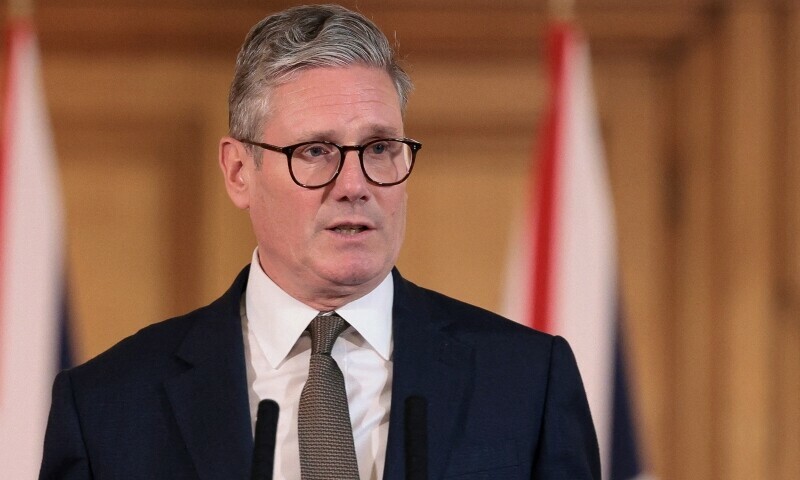
Britain’s newly elected Prime Minister, Keir Starmer, has announced the abolition of the contentious policy to fly thousands of asylum seekers to Rwanda. This declaration marks his first significant policy decision since securing a landslide victory in the recent election.
The previous Conservative government introduced the Rwanda plan in 2022, aiming to relocate migrants arriving in Britain without permission to the East African nation. The policy was intended to deter asylum seekers from attempting to cross into Britain via small boats. However, the plan faced persistent legal challenges and, consequently, no asylum seekers were ever sent to Rwanda.
In his initial press conference as Prime Minister, Starmer criticised the Rwanda scheme, stating that it would have affected only about 1% of asylum seekers and would not have served as an effective deterrent. “The Rwanda scheme was dead and buried before it started. It’s never been a deterrent,” Starmer asserted. “I’m not prepared to continue with gimmicks that don’t act as a deterrent.”



When questioned about his willingness to make tough decisions, including the potential for tax increases, Starmer emphasised his commitment to addressing critical issues such as the overstretched prison system and lengthy waiting times for the state-run health service. “We’re going to have to take the tough decisions and take them early, and we will. We will do that with a raw honesty,” he remarked, though he refrained from suggesting imminent tax hikes.
Starmer also announced the creation of “mission delivery boards” which he will chair, focusing on key areas such as health service improvement and economic growth.
The Rwanda asylum plan was a significant issue during the six-week election campaign. Proponents argued that it would dismantle people-smuggling operations, while opponents deemed it immoral and unworkable. The UK Supreme Court declared the policy unlawful last November, citing Rwanda’s status as an unsafe third country. Despite this, ministers sought to legitimise the plan through a new treaty and legislation, which faced further legal challenges from charities and unions.
Substantial financial investments were made by the British government to support the Rwandan government’s preparation for receiving asylum seekers, including accommodation and processing infrastructure. This expenditure is now irrecoverable.
Starmer plans to establish a Border Security Command, integrating personnel from the police, domestic intelligence, and prosecutors, to collaborate with international agencies in combating people smuggling.

Sonya Sceats, CEO of Freedom from Torture, a leading organisation campaigning against the Rwanda plan, praised Starmer’s decision. “We applaud Keir Starmer for moving immediately to close the door on this shameful scheme that played politics with the lives of people fleeing torture and persecution,” she stated.
Starmer’s decisive stance marks a clear departure from his predecessors, setting a new direction for Britain’s approach to immigration and asylum.