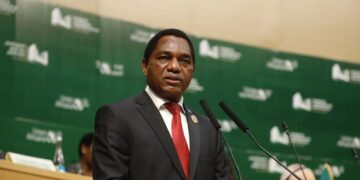
Botswana is set to establish a new embassy in Moscow as part of a broader diplomatic and economic strategy to deepen engagement with Russia, marking a significant shift in the southern African nation’s foreign relations. The announcement was made by Botswana’s Minister of Foreign Affairs, Phenyo Butale, who invited Russian investors to explore opportunities in the country’s rare earth minerals and diamond industries.
Speaking to Russia’s state news agency TASS, Minister Butale emphasised Botswana’s reputation for political stability, sound governance and strong institutions, noting that these attributes make it a compelling destination for responsible investment. He underscored that the government is open to fostering mutually beneficial partnerships that align with the country’s developmental priorities and the African Union’s Agenda 2063 vision for inclusive and sustainable growth.
Diamonds remain central to Botswana’s economy, contributing roughly one third of its national revenue and approximately three quarters of foreign exchange earnings, according to data from Statistics Botswana. The sector is largely managed through a longstanding partnership between the government and global mining giant De Beers under the Debswana joint venture. However, recent diversification efforts have seen Botswana seeking to broaden its investment base, including by engaging with new partners in Asia and Eastern Europe.



The renewed interest in strengthening ties with Russia comes as Moscow continues to expand its economic footprint across Africa amid ongoing geopolitical tensions with Western nations. Russia has positioned itself as a strategic partner for African states seeking to diversify their trade and investment relationships beyond traditional Western channels. The move by Botswana reflects a pragmatic approach to international relations grounded in economic opportunity rather than ideological alignment.

Russia’s corporate presence in Botswana is not new. The world’s largest producer of palladium and high-grade nickel, Norilsk Nickel, previously held assets in the country through its involvement with the state-owned BCL Group. A long-standing commercial dispute between the parties was amicably resolved in 2021, paving the way for potential future collaborations.
Analysts suggest that Botswana’s decision to open an embassy in Moscow could enhance diplomatic coordination, facilitate trade missions and create a platform for broader cultural and educational exchanges. While the global rare earth market remains highly competitive and politically sensitive, Botswana’s measured approach reflects its intent to ensure that any partnership advances national interests and supports sustainable development.
This development also signals a more assertive African foreign policy posture in which nations are seeking to define their global partnerships on their own terms. Rather than being viewed through the lens of global rivalries, such initiatives highlight Africa’s growing agency in shaping international economic and diplomatic relations.
As global powers vie for access to Africa’s strategic minerals and markets, Botswana’s engagement with Russia illustrates a wider continental trend: the pursuit of balanced, multipolar cooperation that privileges local ownership, transparency and long-term value creation over short-term political gains.