Friday, May 1, 2026
  • Login
The Southern African Times
  • Home
  • Southern Africa
  • Business
    • African Start ups
    • African Continental Free Trade Area
  • Technology
    • Lifestyle
      • Health
      • Culture
      • Food and Drink
      • Entertainment
  • Opinion
  • Sports
  • SAT Jobs
    • Events
  • About Us
    • Advertise with Us
    • Contact Us
No Result
View All Result
  • Home
  • Southern Africa
  • Business
    • African Start ups
    • African Continental Free Trade Area
  • Technology
    • Lifestyle
      • Health
      • Culture
      • Food and Drink
      • Entertainment
  • Opinion
  • Sports
  • SAT Jobs
    • Events
  • About Us
    • Advertise with Us
    • Contact Us
No Result
View All Result
The Southern African Times
No Result
View All Result
Home Business Business

As South Africa eases lockdown, eco-tourism community fears for future

by SAT Reporter
July 20, 2020
in Business, COVID 19, in Southern Africa, Just In, South Africa
0
As South Africa eases lockdown, eco-tourism community fears for future

CAPE TOWN, South Africa, July 20 (The Southern African Times) – For the Makuleke people of South Africa’s far northeast, the country’s COVID-19 lockdown has brought back memories of the poverty and hunger they thought they had overcome decades ago.

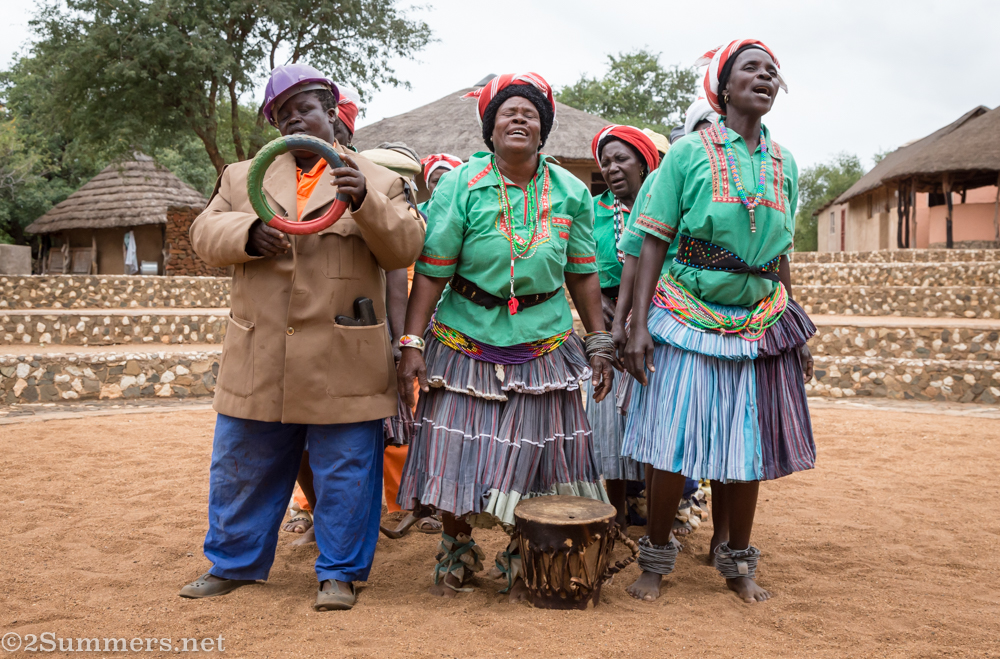
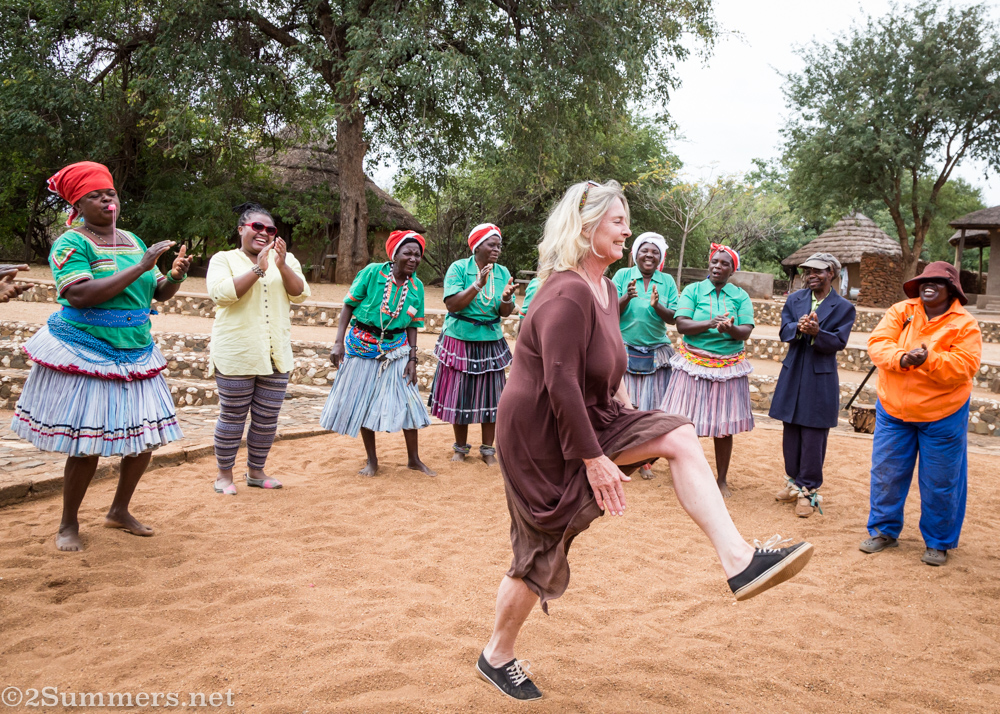
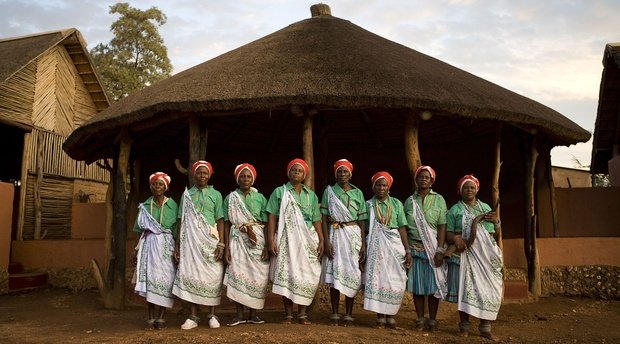
The once-landless Makuleke have made a sustainable living running eco-tourism activities in the famous Kruger National Park since the early 2000s, on land the community reclaimed in a historic legal case.

But much of that progress could be laid to waste by the coronavirus pandemic, they warn.

ADVERTISEMENT

“Before we won the land and tourism started, life was not easy,” said Godfrey Baloyi, a Makuleke member and general manager of RETURN Africa, which runs accommodation and safaris in the park.

“No jobs, no nothing. It was like now; people are struggling,” he said.

After more than two months of strict lockdown to slow the spread of the novel coronavirus, South Africa’s national parks service, SANParks, announced in June it would soon start reopening some facilities, in line with new government rules.

But much of the damage has been done, say the Makuleke people who spoke with the Thomson Reuters Foundation. Many fear the community might never bounce back from the sudden, devastating loss of business.

“I don’t think anybody could have expected these circumstances,” said Lamson Maluleke, a community leader and member of the Makuleke Communal Property Association (CPA). It owns land belonging to about 2,000 Makuleke who were removed from their ancestral land and their descendants.

“It is affecting the community big-time.”

CONSERVATION WIN

The Makuleke were forcibly evicted from their land in the late 1960s, when the then-apartheid regime decided to expand Kruger all the way to the border with Zimbabwe.

The families were relocated to villages outside the park, where they survived through subsistence farming and selling corn and groundnut crops, or left for Johannesburg to find work, explained Sydney Shibambu, administration officer for the CPA.

“It was very, very difficult,” he said.

In 1998, the Makuleke won a legal battle to reclaim 24,000 hectares (59,300 acres) of their land, becoming one of the few indigenous communities to successfully take back land in Kruger.

Instead of moving back into the protected area, they entered a landmark agreement with the South African government to develop eco-tourism in what is now called the Makuleke Concession, with the revenue feeding back into the community.
The remote area, with the Limpopo River to the north and the Luvuvhu River to the south, contains as much as 75% of the biodiversity in the Kruger park, which covers almost 2 million hectares in total.

Under the agreement, the Makuleke received the sole right to operate hotels, lodges and game drives within their territory, which is only open to a select few companies.

“Since then, things economically have changed for us,” said Baloyi of RETURN Africa, one of the three concessionaires that operate in the area.

UNCERTAIN FUTURE

But the coronavirus lockdown has cut off the Makuleke community’s source of income, pushing businesses in the conservancy to the brink of collapse and causing some families who had been earning a good living for years to turn to aid.

Usually in June, in the peak season, RETURN Africa would have hired more than 60 people to run its guesthouse, tented camps and walking safaris, Baloyi noted. But this year, only about 10 staff have been brought on to maintain the facilities.

It has also had to temporarily stop using the local Makuleke service providers it relies on for uniforms, linen, upholstery and transport, Baloyi added.

These financial cuts are far reaching in a community where one income often supports three or four families, he said.

The businesses in the Makuleke Concession pay the CPA a fee based on a percentage of their gross income, explained Maluleke, the community leader.

This money benefits all the association’s members, helping fund development projects and educational resources.

But with business ground to a halt, only an agreed minimum amount is being paid into the CPA’s coffers, Maluleke said.
In April and May, SANParks distributed food and water to vulnerable communities bordering the country’s national parks, including Kruger, in an attempt to alleviate some of the stresses experienced by families who rely on tourism for income.

The agency, together with the SANParks Honorary Rangers, a volunteer group, and the United Nations Development Programme, spent 13 million rand ($745,000) on food parcels, water tanks and hygiene products for 7,500 families around the country.

The Makuleke were not included in the first round of aid, and SANParks’ acting head of communications, Rey Thakhuli, said the money had now been depleted.

“We will try to get more funding, and we remain committed to the socio-economic transformation of the communities neighbouring our parks,” he said. “We are trying our level best during lockdown, but the need is huge.”


As South Africa eases out of lockdown, a safari guide and wildlife training facility, run by concessionaire EcoTraining, has opened its doors in the conservancy.

Management authorities are now waiting to see when the entire Makuleke Concession will be fully operational.

If they have to wait until the end of the year to open, Baloyi worries its businesses will never fully recover.

They will have to slash their prices to appeal to local visitors at a time when travel restrictions and anxieties continue to keep international customers away, he noted.

Previous Post

Zambia’s state investment arm be operator of mines in future, says govt

Next Post

Mali opposition rejects ECOWAS proposals on ending political crisis

SAT Reporter

Related Posts

Farmers Welcome Fuel Relief but Warn of Supply Risks
in Southern Africa

Farmers Welcome Fuel Relief but Warn of Supply Risks

by SAT Reporter
May 1, 2026
South Africa Prioritises Water Crisis as National Governance Challenge
in Southern Africa

South Africa Prioritises Water Crisis as National Governance Challenge

by SAT Reporter
May 1, 2026
Zambia Seeks Parliamentary Approval for 1.4 Billion US Dollar Supplementary Budget
Finance

Zambia Seeks Parliamentary Approval for 1.4 Billion US Dollar Supplementary Budget

by SAT Reporter
May 1, 2026
South Africa Urges Rule of Law Amid Anti Immigration Protests
in Southern Africa

South Africa Urges Rule of Law Amid Anti Immigration Protests

by SAT Reporter
April 30, 2026
Zimbabwe Trade Deficit Widens to 143 Million Dollars in March
in Southern Africa

Zimbabwe Trade Deficit Widens to 143 Million Dollars in March

by SAT Reporter
April 30, 2026
Next Post

Mali opposition rejects ECOWAS proposals on ending political crisis

Browse by Category

  • Africa AI
  • African Continental Free Trade Area
  • African Debt
  • African Start ups
  • Agriculture
  • AI Africa
  • Algeria
  • All News
  • Analysis
  • Angola
  • Arts / Culture
  • Asia
  • Botswana
  • BOTSWANA
  • BREAKING NEWS
  • BRICS
  • Burkina Faso
  • Burundi
  • Business
  • Business
  • Business Wire
  • Cameroon
  • Central Africa
  • Chad
  • China
  • Climate Change
  • Climate Changev
  • Community
  • Congo Republic
  • Conservation
  • Côte d’Ivoire
  • COVID 19
  • CRYPTOCURRENCY
  • Culture
  • Democratic Republic of Congo
  • Diplomacy
  • Eastern Africa
  • Economic Development
  • Economy
  • Education
  • Egypt
  • Elections 2024
  • Energy
  • Entertainment
  • Environment
  • Eritrea
  • Ethiopia
  • Europe
  • Fashion
  • Feature
  • Finance
  • Financial Inclusion
  • Food
  • Food and Drink
  • Foods
  • GABON
  • Ghana
  • Global
  • Global Africa
  • Guinea
  • Health
  • Immigration
  • in Southern Africa
  • International news
  • International Relations
  • Investment
  • Ivory Coast
  • Just In
  • Kenya
  • Lesotho
  • Libya
  • Life Style
  • Lifestyle
  • Literature
  • Malawi
  • Malawi
  • Mali
  • Markets
  • Mauritius
  • Middle East
  • Mining in Africa
  • Morocco
  • Mozambique
  • Namibia
  • niger
  • Niger
  • Nigeria
  • North Africa
  • North-Eastern Africa
  • Obituaries
  • Obituary
  • Opinion
  • PARTNER CONTENT
  • Politics
  • Property
  • Racism
  • Rwanda
  • Rwanda
  • SADC
  • SAT Interviews
  • SAT Investigation
  • SAT Jobs
  • Saudi Arabia
  • Senegal
  • Seychelles
  • Somaliland
  • South Africa
  • South Sudan
  • Sports
  • Startup Africa
  • STOCK EXCHANGE
  • Sudan
  • Sustainability
  • Sustainablity
  • Tanzania
  • Technology
  • Telecommunications
  • The Editorial Board
  • The Power Of She
  • Togo
  • Trade
  • Travel
  • Travel
  • Tunisia
  • Uganda
  • Uncategorized
  • Wealth
  • West Africa
  • World
  • World
  • ZAMBIA
  • Zambia
  • ZIMBABWE
  • Zimbabwe

Browse by Tags

#NewsUpdate #SouthAfrica #SouthernAfricanTimes #TheSouthernAfricanTimes AfCFTA africa African Continental Free Trade Area African development African Development Bank African economies African economy African Union Agriculture Angola Botswana Business China Climate change Cyril Ramaphosa Economic Development economic growth energy transition fiscal policy industrialisation Inflation Infrastructure Infrastructure Development International relations Investment Kenya Mozambique Namibia news Nigeria Regional Integration renewable energy Rwanda SADC South Africa Southern Africa sustainable development Tanzania United States Zambia Zimbabwe
ADVERTISEMENT

WHO WE ARE

The Southern African Times is a regional bloc digital newspaper that covers Southern African and world news. The paper also gives a nuanced analysis on news and covers a wide range of reporting which include sports, entertainment, foreign affairs, arts and culture.

Welcome Back!

Login to your account below

Forgotten Password?

Retrieve your password

Please enter your username or email address to reset your password.

Log In

  • Home
  • Southern Africa
  • Business
    • African Start ups
    • African Continental Free Trade Area
  • Technology
    • Lifestyle
      • Health
      • Culture
      • Food and Drink
      • Entertainment
  • Opinion
  • Sports
  • SAT Jobs
    • Events
  • About Us
    • Advertise with Us
    • Contact Us
Are you sure want to unlock this post?
Unlock left : 0
Are you sure want to cancel subscription?