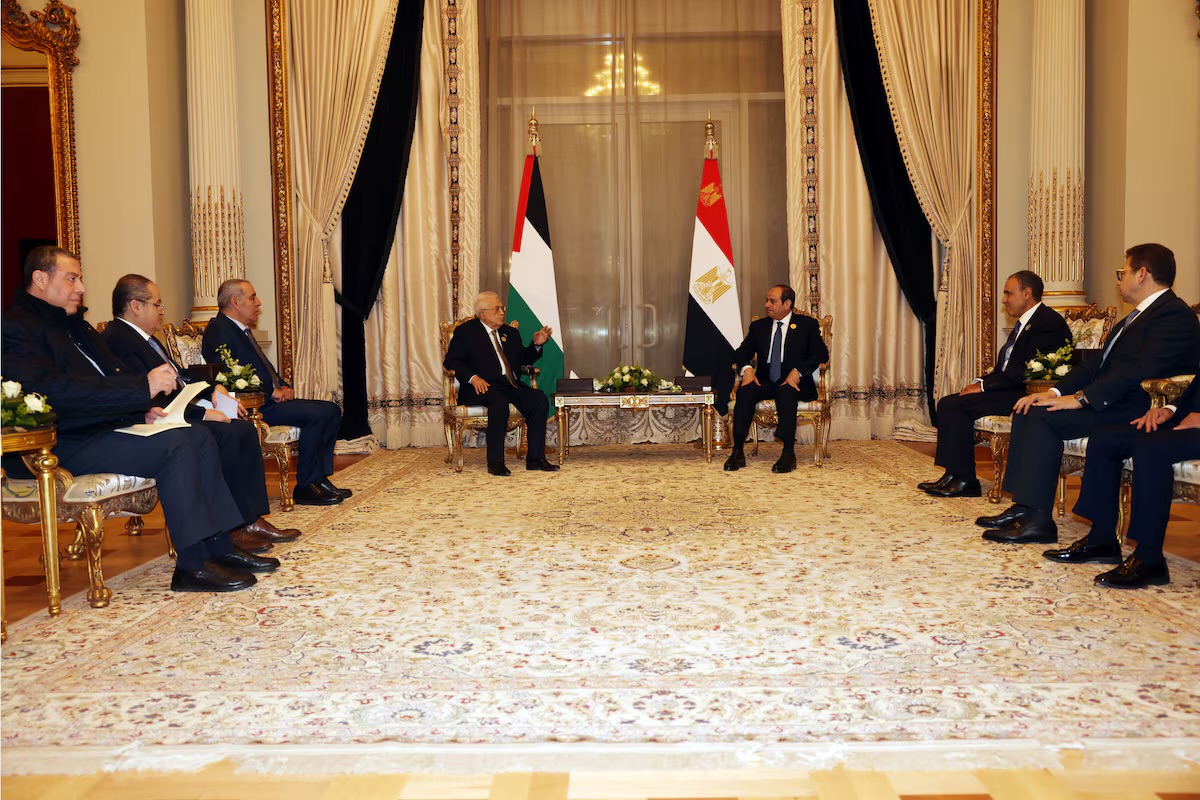
Arab leaders have officially adopted an Egyptian-led reconstruction plan for Gaza, valued at $53 billion, aiming to rebuild the war-torn enclave while ensuring Palestinians are not forcibly displaced. The decision, announced at the conclusion of a summit in Cairo on Tuesday, stands in stark contrast to U.S. President Donald Trump’s controversial “Middle East Riviera” proposal, which called for the displacement of Palestinians and a U.S.-led economic takeover of the region.
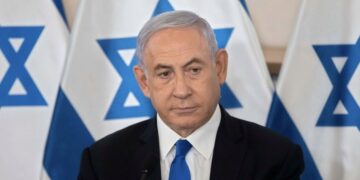
The White House dismissed the Egyptian-backed initiative, arguing that it does not address the “realities” on the ground. Trump has remained firm on his plan, despite widespread international condemnation, with critics warning it mirrors long-standing Palestinian fears of permanent expulsion from their homeland.
Egyptian President Abdel Fattah al-Sisi, who spearheaded the reconstruction proposal, emphasized that the initiative had been formulated in consultation with Palestinian leaders and was designed to pave the way for a more stable and self-governed Gaza. The plan received a positive response from Hamas but was met with criticism from Israel and the U.S.



One of the key components of the Egyptian plan is the formation of an administrative committee composed of independent Palestinian technocrats. This committee would oversee humanitarian aid distribution, reconstruction efforts, and governance in Gaza for a transitional period, ultimately facilitating the return of the Palestinian Authority (PA) to administer the enclave.
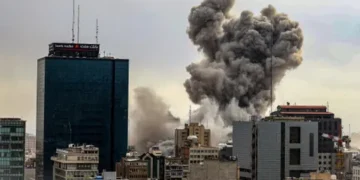
The future role of Hamas, which has governed Gaza since 2007, remains a contentious issue. The militant group launched an attack on Israel on October 7, 2023, resulting in 1,200 Israeli deaths and the capture of over 250 hostages, according to Israeli sources. This triggered Israel’s military campaign in Gaza, which has since killed over 48,000 Palestinians, displaced nearly the entire population, and led to allegations of war crimes and genocide—charges that Israel has denied.

In a significant development, Hamas announced its support for the Egyptian proposal, agreeing not to field candidates for the administrative committee. However, the group has insisted that it must approve the committee’s composition, tasks, and agenda under the supervision of the PA.
Egyptian Foreign Minister Badr Abdelatty confirmed late on Tuesday that the individuals set to participate in the committee had already been selected, signaling that Cairo is moving ahead with its plan despite opposition from key Western powers. The next challenge will be securing the necessary financial commitments and political agreements to implement the reconstruction initiative effectively.