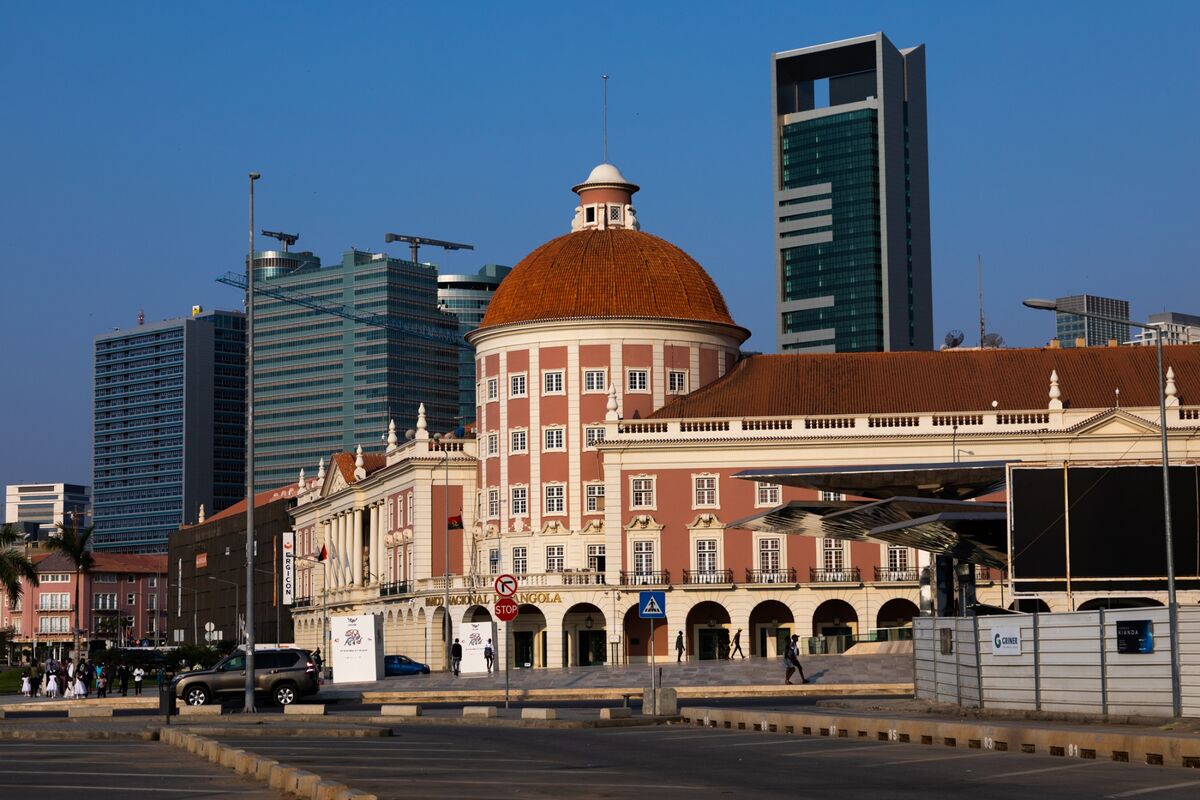
The Bank of Angola has reduced its benchmark interest rate by 100 basis points to 17.50 percent, marking its most significant policy easing in over a year. The decision reflects growing confidence in the country’s economic stabilisation efforts as inflation declines faster than expected.
The move follows two consecutive 50 basis point cuts in previous monetary policy meetings, signalling a steady commitment by the central bank to stimulate domestic growth while maintaining financial discipline. The rate adjustment is expected to ease borrowing costs for businesses and households, potentially supporting private sector expansion and investment across Angola’s diverse economy.
According to the Bank of Angola, the latest data indicates that inflation slowed to 15.70 percent year on year in December 2025, falling below the central bank’s target of 17.50 percent for the same period. This represents a substantial improvement from 27.50 percent recorded in December 2024. The disinflation trend has been supported by stabilising food and fuel prices, a more favourable exchange rate environment, and improved supply chain efficiency within the domestic market.




Angola’s macroeconomic recovery has been shaped by both internal policy reforms and external market conditions. As an oil-producing nation, Angola continues to navigate the delicate balance between resource dependency and economic diversification. The government’s commitment to fiscal prudence, coupled with ongoing reforms in the financial and energy sectors, has provided a more stable foundation for monetary policy actions.
Economists suggest that the central bank’s decision aligns with a broader regional trend across parts of Southern Africa, where policymakers are cautiously easing rates in response to moderating inflation. The measure also reflects the ongoing recalibration of African central banks’ monetary frameworks toward more proactive and context-sensitive approaches.
The Angolan government has placed emphasis on sustaining structural reforms that foster inclusive growth, enhance local production, and reduce external vulnerabilities. Analysts note that the combination of lower inflation and reduced interest rates could create a conducive environment for small and medium enterprises, a sector increasingly seen as vital to employment and long-term stability.
While challenges remain, including global commodity volatility and the need to strengthen institutional resilience, Angola’s current trajectory demonstrates a gradual but meaningful improvement in its economic fundamentals. The Bank of Angola’s latest policy move may therefore serve as a measured step towards sustaining growth momentum, underpinned by a focus on local realities and a broader African economic narrative that emphasises agency, reform, and long-term resilience.