Angolan authorities have thwarted an attempted illegal export of approximately 3,000 tonnes of quartz, a highly sought-after mineral, destined for China. The operation was conducted by the Serviço de Investigação Criminal (SIC), acting in concert with the Ministry of Mineral Resources, Oil and Gas, as part of a broader initiative to clamp down on the illicit trafficking of strategic natural resources.
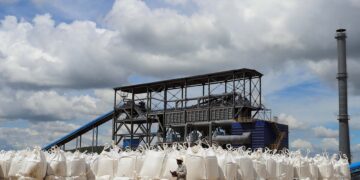
The seizure occurred at a terminal in the Port of Luanda, where 100 containers had been readied for clandestine shipment. Each 20-foot container contained around 30 tonnes of quartz. Had it not been for the timely intervention by the SIC, these materials would likely have reached the People’s Republic of China undetected.
The merchandise was registered under a national company whose representatives initially claimed the quartz was intended for laboratory testing abroad. However, as noted by SIC spokesperson Manuel Halaiwa, such justifications were deemed implausible. “Even if they were intended for testing, it would not amount to 100 containers,” he remarked. The explanation failed to align with legal provisions currently in place.



This interception falls under the purview of Presidential Decree No. 185/24 of 14 August 2024, which imposes a comprehensive ban on the export of quartz from Angola. The decree supersedes earlier frameworks that allowed for limited, seasonal export licences. The policy aims to prioritise domestic processing and value addition in order to support national industrialisation and economic self-sufficiency.
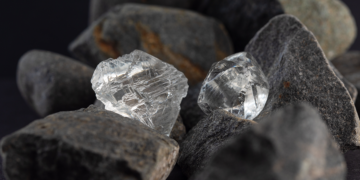
Quartz, extensively mined along Angola’s coastline and interior regions, is pivotal to various global manufacturing sectors. It is a critical raw material in the production of photovoltaic panels, digital watches, and smartphones. The mineral’s rising global demand, especially in renewable energy and electronics, has made it a lucrative yet vulnerable resource in terms of unlawful trade.
The operation revealed several regulatory violations, although, as of now, no arrests have been made. According to SIC, all parties involved in the supply chain have been formally notified and are expected to present themselves to legal authorities. This investigative process will ascertain individual accountability in what is officially classified as a criminal act.
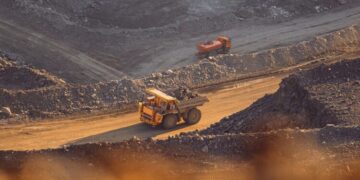
This is not the first time Angolan officials have intervened in the illegal quartz trade. Previous operations have uncovered unauthorised mining activity, often conducted at clandestine sites. These operations underscore the complexity of mineral governance in resource-rich nations and the critical need for a robust enforcement mechanism.

By cracking down on illegal extraction and export, Angola is reaffirming its commitment to safeguarding national assets and reinforcing a policy framework that seeks to enhance domestic beneficiation of raw materials. This incident marks a notable step in the country’s broader economic transformation strategy, aligned with regional goals of sustainable development and resource sovereignty.
For more on Angola’s strategic mineral policies, visit the Ministry of Mineral Resources.