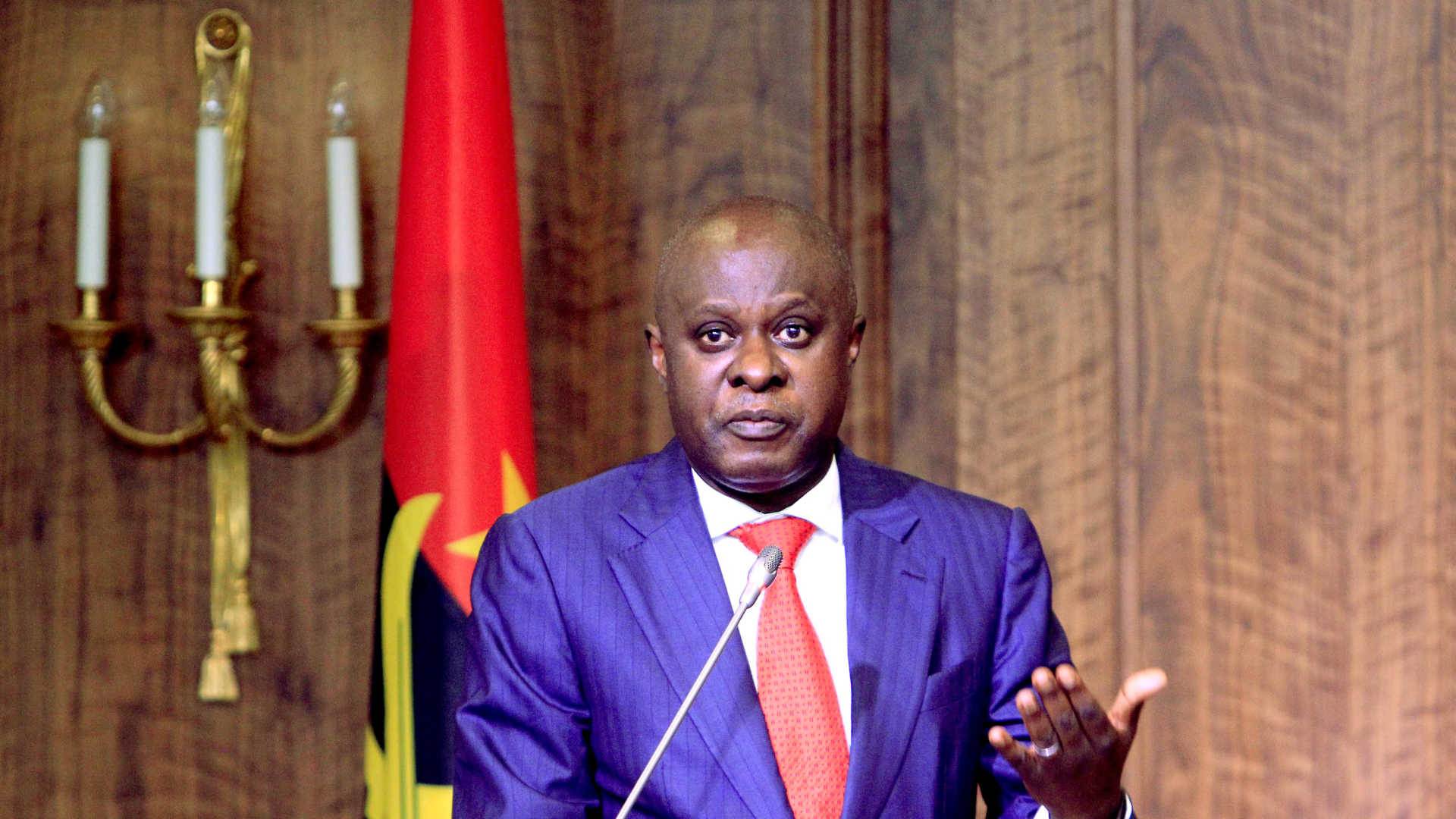
Luanda, Angola – In a significant move aimed at addressing the serious economic challenges facing the country, Manuel Nunes Junior, the Minister of State for Economic Coordination in Angola, declared the gradual removal of fuel subsidies during a press conference held in the capital city of Luanda on Thursday. This decision will result in a substantial increase in gasoline prices, with the current rate of 160 Kwanzas per liter soaring to 300 Kwanzas per liter, marking an 87.5 percent surge. The implementation of this adjustment is set to commence at 1:00 am on Friday.
Minister Nunes Junior emphasised the necessity of this measure in promoting robust economic growth capable of tackling Angola’s pressing issues. Fuel subsidies in 2022 alone amounted to a staggering 3.8 billion U.S. dollars, putting immense strain on the country’s finances. The Minister of Finance, Vera Daves, affirmed that this move was a sovereign decision taken by the Angolan state and not influenced by external pressures from the International Monetary Fund.
The Ministry of Finance released a government report, obtained by SAT on Thursday, which outlined a proposal for a phased reduction of gasoline subsidies beginning in the second quarter of 2023. The report also recommended a partial and progressive removal of subsidies on diesel and illuminating oil prices, extending the process until 2025. Despite the complete removal of subsidies for diesel and gasoline, Angola intends to maintain competitive oil pricing within the region.



The government report highlighted the adverse effects of fuel subsidies on public finances, resulting in escalating and unsustainable fiscal costs in the medium and long term. Such costs have hindered the country’s financial capacity to invest in crucial services and social development projects. Additionally, the continuation of subsidies poses a threat to Angola’s downstream oil sector and fosters oil smuggling to neighboring countries, where prices are approximately 70 percent higher than those in Angola.

Market prices for gasoline and diesel in Angola as of December 2022 stood at 202 percent and 279 percent higher, respectively, than the subsidized prices. In 2022, fuel subsidies accounted for approximately 92 percent of the country’s health and education expenses. Furthermore, these subsidies represented around 3.5 percent of the gross domestic product (GDP) and approximately 20 percent of the projected general budget for 2023 in Angola.
Acknowledging the significant impact the removal of fuel subsidies may have on inflation and household solvency, the report proposed mitigation measures to reallocate these subsidies to energy, public transportation, and social programs. By redirecting funds to these crucial sectors, the government aims to alleviate the burden on the public while fostering sustainable development.
Upon the increase in gasoline prices, Angola’s ranking on the Global Petrol Prices website is expected to change. As of the end of May, Angola, once known for having some of the lowest gasoline prices globally, will move from being the fourth cheapest to the tenth cheapest country in terms of gasoline prices.
Angola, the leading crude oil producer in Africa, produced an average of 1.06 million barrels per day in April, as reported by the Organization of the Petroleum Exporting Countries (OPEC) on May 11. The majority of fuel consumed in Angola is imported, with only the Luanda refinery currently operational. However, the Lobito, Cabinda, and Soyo refineries are still under construction, highlighting the country’s efforts to enhance its domestic refining capabilities.