Wednesday, April 15, 2026
  • Login
The Southern African Times
  • Home
  • Southern Africa
  • Business
    • African Start ups
    • African Continental Free Trade Area
  • Technology
    • Lifestyle
      • Health
      • Culture
      • Food and Drink
      • Entertainment
  • Opinion
  • Sports
  • SAT Jobs
    • Events
  • About Us
    • Advertise with Us
    • Contact Us
No Result
View All Result
  • Home
  • Southern Africa
  • Business
    • African Start ups
    • African Continental Free Trade Area
  • Technology
    • Lifestyle
      • Health
      • Culture
      • Food and Drink
      • Entertainment
  • Opinion
  • Sports
  • SAT Jobs
    • Events
  • About Us
    • Advertise with Us
    • Contact Us
No Result
View All Result
The Southern African Times
No Result
View All Result
Home Markets

African Markets Balance Global Pressures and Reform Momentum

by SAT Reporter
March 27, 2026
in Markets
0
African Markets Balance Global Pressures and Reform Momentum

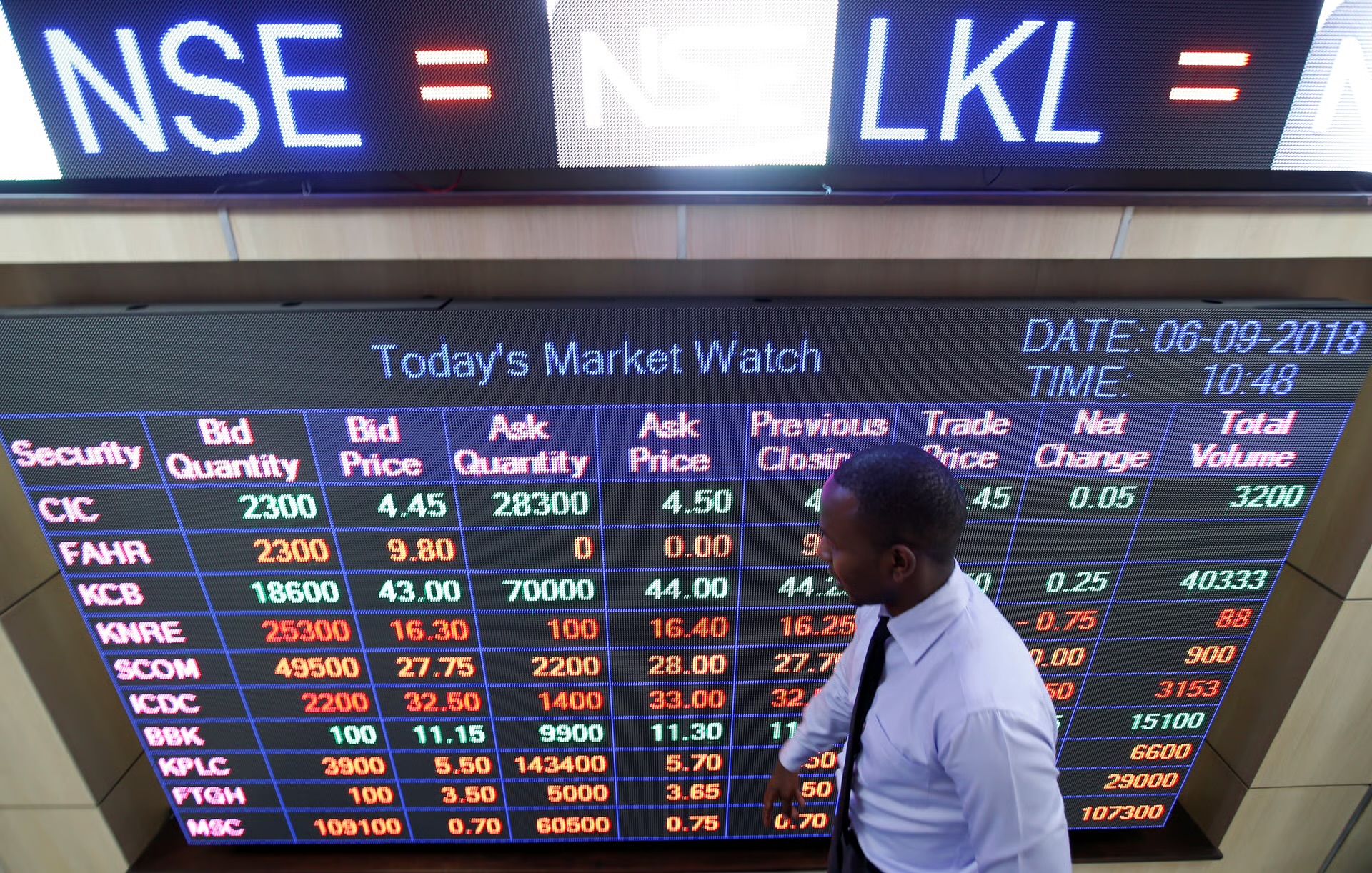
Africa’s financial landscape on 27 March reflects a convergence of global volatility and region specific policy recalibrations, with markets responding not only to external shocks but also to domestic reform trajectories and structural shifts across economies. A broad reading of developments indicates that while exposure to global energy price uncertainty continues to influence inflation expectations and borrowing costs, several African economies are simultaneously advancing fiscal, monetary and investment strategies that point to a longer term repositioning within global capital flows.

Global market sentiment has been unsettled by renewed concerns over energy supply disruptions linked to geopolitical tensions in the Middle East, which have driven fluctuations in oil prices and contributed to tighter financial conditions. Although oil prices softened in early trading following diplomatic signals from the United States regarding Iran, the wider trend of volatility continues to shape investor sentiment toward emerging and frontier markets, including those in Africa.

South Africa

ADVERTISEMENT

In South Africa, the rand has shown relative stability in recent sessions, reflecting a cautious but measured market response to the South African Reserve Bank’s decision to maintain its benchmark lending rate at 6.75 percent. The central bank has emphasised the need for prudence in the face of inflationary pressures linked to elevated global energy costs. This stance signals a balancing act between anchoring inflation expectations and supporting a domestic economy that remains sensitive to external shocks. Market participants continue to monitor sovereign yields and currency movements as indicators of confidence in macroeconomic management. Further details can be accessed via the South African Reserve Bank at https://www.resbank.co.za.

Ghana

Ghana’s re entry into longer dated domestic debt issuance marks a notable development in its post restructuring fiscal strategy. The announcement of a new seven year bond suggests a gradual restoration of confidence in the domestic debt market following the suspension of such instruments during the country’s recent debt restructuring process. The move is likely to test investor appetite while offering insight into the government’s evolving approach to debt sustainability and liquidity management. Information on Ghana’s fiscal policy direction is available from the Ministry of Finance at https://mofep.gov.gh.

Nigeria

Nigeria continues to attract renewed investor attention, with capital inflows rising significantly in 2025, largely driven by foreign portfolio investment seeking high yields in local debt markets. This trend reflects both improved investor sentiment following macroeconomic reforms and the persistence of yield differentials that favour Nigerian instruments. In parallel, the Central Bank of Nigeria has removed restrictions requiring international oil companies to retain a portion of export earnings domestically. This policy adjustment is intended to enhance foreign exchange liquidity and improve market confidence. Additional insights can be found through the Central Bank of Nigeria at https://www.cbn.gov.ng.

Kenya

Kenya is positioning itself to expand its role as a regional investment hub, with authorities targeting a substantial increase in foreign direct investment growth to approximately 30 percent annually. This ambition reflects ongoing efforts to improve the investment climate and attract diversified capital inflows. The strategy aligns with broader continental objectives of deepening intra African trade and strengthening economic resilience through investment driven growth. The Kenya Investment Authority provides further context at https://invest.go.ke.

Uganda

Uganda has reported a sharp increase in export earnings, with a year on year rise of 77.6 percent in January. This growth has been underpinned by strong performance in gold and coffee exports, highlighting the continued importance of commodity sectors in supporting foreign exchange earnings. While such gains offer short term support to the balance of payments, they also underscore the need for diversification to mitigate exposure to commodity price cycles. More details are available via the Ministry of Finance Planning and Economic Development at https://www.finance.go.ug.

Pan African banking and structural trends

At a continental level, Standard Bank’s recently outlined three year growth strategy reflects broader shifts within Africa’s financial sector. The bank’s focus on expanding digital banking services, financing infrastructure and energy projects, and leveraging the African Continental Free Trade Area framework signals an anticipation of increased intra African trade and capital mobility. These developments suggest that African financial institutions are actively positioning themselves to support structural transformation and regional integration.

Taken together, the developments across these economies point to a complex but evolving landscape in which African markets are navigating global uncertainty while advancing domestic reforms and regional ambitions. The interplay between external pressures and internal policy responses continues to define market trajectories, with implications for investors, policymakers and citizens across the continent.

Tags: African BankingAfrican economic outlookafrican marketsEmerging MarketsGhana debt issuanceKenya investmentNigeria foreign exchangeSARB interest ratesSouth Africa economyUganda exports
Previous Post

Namibia’s Economic Growth Slows to 1.7 Percent as Mining and Agriculture Decline

Next Post

Dubai crude premium drops sharply as selling pressure rises

SAT Reporter

Related Posts

China’s Zero Tariff Policy Opens New Export Pathways for Zimbabwe’s Blueberry Industry
Markets

China’s Zero Tariff Policy Opens New Export Pathways for Zimbabwe’s Blueberry Industry

by SAT Reporter
April 12, 2026
Africa’s Growth Holds Steady but Beneath the Surface Pressures Are Mounting
Markets

Africa’s Growth Holds Steady but Beneath the Surface Pressures Are Mounting

by SAT Reporter
April 12, 2026
South Africa’s Private Sector Returns to Modest Growth as PMI Edges Above 50
Markets

South Africa’s Private Sector Returns to Modest Growth as PMI Edges Above 50

by SAT Reporter
April 8, 2026
WTI Crude Drops 4 Per Cent to $108.50 on Hormuz Tensions
Markets

WTI Crude Drops 4 Per Cent to $108.50 on Hormuz Tensions

by SAT Reporter
April 8, 2026
African Capital Markets Conference spotlights diaspora capital for market growth
Markets

African Capital Markets Conference spotlights diaspora capital for market growth

by SAT Reporter
April 7, 2026
Next Post
Dubai crude premium drops sharply as selling pressure rises

Dubai crude premium drops sharply as selling pressure rises

Browse by Category

  • Africa AI
  • African Continental Free Trade Area
  • African Debt
  • African Start ups
  • Agriculture
  • AI Africa
  • Algeria
  • All News
  • Analysis
  • Angola
  • Arts / Culture
  • Asia
  • Botswana
  • BOTSWANA
  • BREAKING NEWS
  • BRICS
  • Burkina Faso
  • Burundi
  • Business
  • Business
  • Business Wire
  • Cameroon
  • Central Africa
  • Chad
  • China
  • Climate Change
  • Climate Changev
  • Community
  • Congo Republic
  • Conservation
  • Côte d’Ivoire
  • COVID 19
  • CRYPTOCURRENCY
  • Culture
  • Democratic Republic of Congo
  • Diplomacy
  • Eastern Africa
  • Economic Development
  • Economy
  • Education
  • Egypt
  • Elections 2024
  • Energy
  • Entertainment
  • Environment
  • Eritrea
  • Ethiopia
  • Europe
  • Fashion
  • Feature
  • Finance
  • Financial Inclusion
  • Food
  • Food and Drink
  • Foods
  • GABON
  • Ghana
  • Global
  • Global Africa
  • Guinea
  • Health
  • Immigration
  • in Southern Africa
  • International news
  • International Relations
  • Ivory Coast
  • Just In
  • Kenya
  • Lesotho
  • Libya
  • Life Style
  • Lifestyle
  • Literature
  • Malawi
  • Malawi
  • Mali
  • Markets
  • Mauritius
  • Middle East
  • Mining in Africa
  • Morocco
  • Mozambique
  • Namibia
  • Niger
  • niger
  • Nigeria
  • North Africa
  • North-Eastern Africa
  • Obituaries
  • Obituary
  • Opinion
  • PARTNER CONTENT
  • Politics
  • Property
  • Racism
  • Rwanda
  • Rwanda
  • SADC
  • SAT Interviews
  • SAT Investigation
  • SAT Jobs
  • Saudi Arabia
  • Senegal
  • Seychelles
  • South Africa
  • South Sudan
  • Sports
  • Startup Africa
  • STOCK EXCHANGE
  • Sudan
  • Sustainability
  • Sustainablity
  • Tanzania
  • Technology
  • Telecommunications
  • The Editorial Board
  • The Power Of She
  • Togo
  • Trade
  • Travel
  • Travel
  • Tunisia
  • Uganda
  • Uncategorized
  • Wealth
  • West Africa
  • World
  • World
  • ZAMBIA
  • Zambia
  • ZIMBABWE
  • Zimbabwe

Browse by Tags

#NewsUpdate #SouthAfrica #SouthernAfricanTimes #TheSouthernAfricanTimes AfCFTA africa African Continental Free Trade Area African development African Development Bank African economies African economy African Union Agriculture Angola Botswana Business China Climate change Cyril Ramaphosa Economic Development economic growth energy transition fiscal policy food security industrialisation Inflation Infrastructure Development International relations Investment Kenya Mozambique Namibia news Nigeria Regional Integration renewable energy Rwanda SADC South Africa Southern Africa sustainable development Tanzania United States Zambia Zimbabwe
ADVERTISEMENT

WHO WE ARE

The Southern African Times is a regional bloc digital newspaper that covers Southern African and world news. The paper also gives a nuanced analysis on news and covers a wide range of reporting which include sports, entertainment, foreign affairs, arts and culture.

Welcome Back!

Login to your account below

Forgotten Password?

Retrieve your password

Please enter your username or email address to reset your password.

Log In

  • Home
  • Southern Africa
  • Business
    • African Start ups
    • African Continental Free Trade Area
  • Technology
    • Lifestyle
      • Health
      • Culture
      • Food and Drink
      • Entertainment
  • Opinion
  • Sports
  • SAT Jobs
    • Events
  • About Us
    • Advertise with Us
    • Contact Us
Are you sure want to unlock this post?
Unlock left : 0
Are you sure want to cancel subscription?