Wednesday, April 15, 2026
  • Login
The Southern African Times
  • Home
  • Southern Africa
  • Business
    • African Start ups
    • African Continental Free Trade Area
  • Technology
    • Lifestyle
      • Health
      • Culture
      • Food and Drink
      • Entertainment
  • Opinion
  • Sports
  • SAT Jobs
    • Events
  • About Us
    • Advertise with Us
    • Contact Us
No Result
View All Result
  • Home
  • Southern Africa
  • Business
    • African Start ups
    • African Continental Free Trade Area
  • Technology
    • Lifestyle
      • Health
      • Culture
      • Food and Drink
      • Entertainment
  • Opinion
  • Sports
  • SAT Jobs
    • Events
  • About Us
    • Advertise with Us
    • Contact Us
No Result
View All Result
The Southern African Times
No Result
View All Result
Home World Travel

African Airlines Face Rising Fuel Costs and Supply Uncertainty

by SAT Reporter
March 21, 2026
in Travel
0
African Airlines Face Rising Fuel Costs and Supply Uncertainty

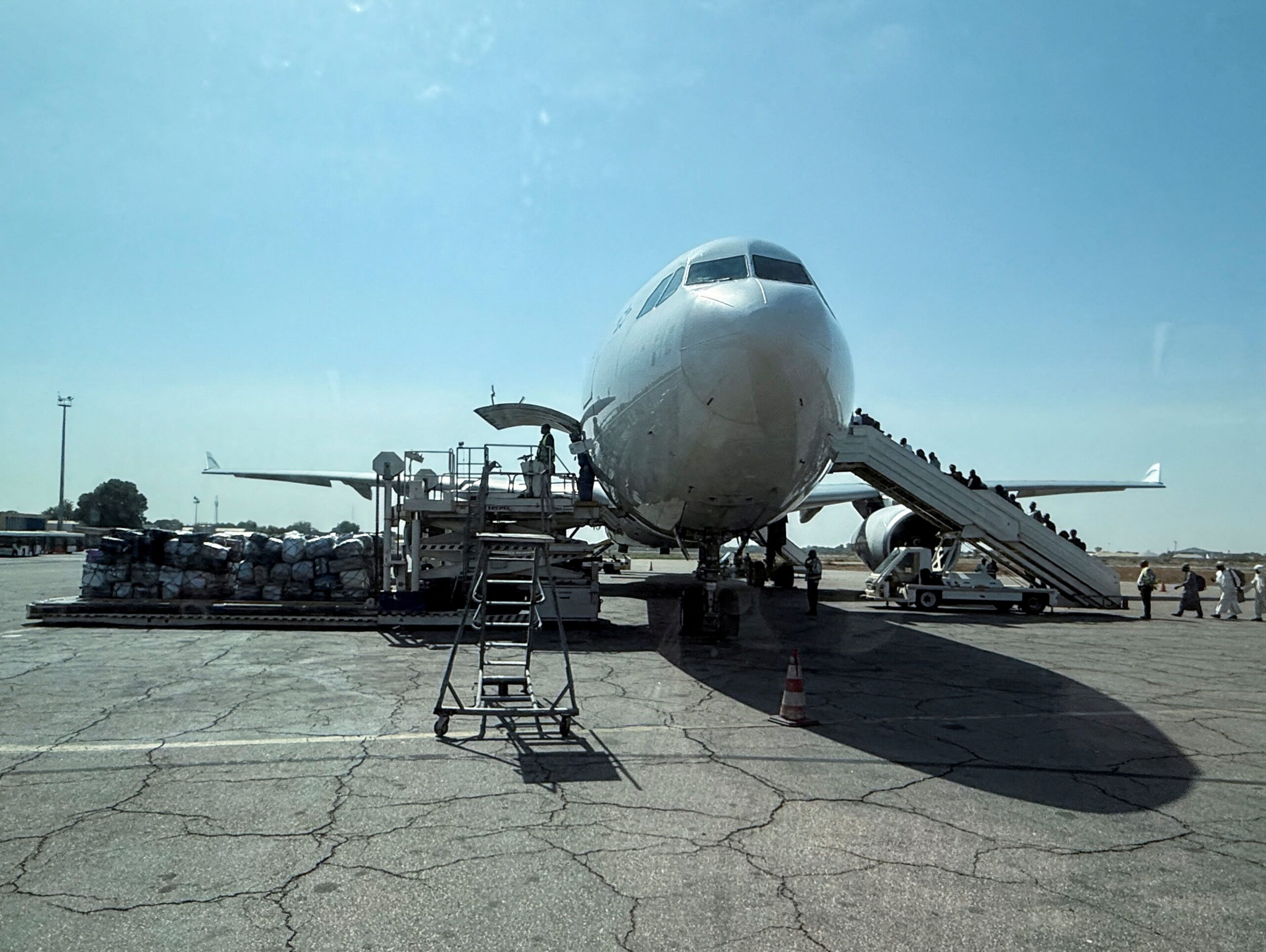
African airlines are navigating a period of acute uncertainty as disruptions to global fuel supply chains place pressure on already constrained operating environments, with the effects being felt unevenly across the continent.

A combination of geopolitical instability in the Middle East and structural vulnerabilities within African energy systems has contributed to rising jet fuel prices and tightening supply. According to reporting by Reuters, the escalation of conflict involving Iran has significantly curtailed shipments through the Strait of Hormuz, a critical maritime corridor through which a substantial proportion of global oil and liquefied natural gas flows. Estimates from S&P Global indicate that approximately 70 percent of Africa’s jet fuel and kerosene imports transit this route, underscoring the continent’s exposure to external supply shocks.

Market data reflects the scale of disruption. Benchmark jet fuel prices in north west Europe have approached record levels near 239 dollars per barrel, while Asian markets are nearing 200 dollars per barrel, based on figures compiled by LSEG. These increases are being transmitted to African carriers with particular intensity due to structural cost dynamics within the region’s aviation sector.


ADVERTISEMENT

Industry bodies such as the African Airlines Association note that fuel accounts for between 30 percent and over 40 percent of operating costs for many African carriers, compared with a global average closer to 20 to 25 percent. For some operators, the exposure is even higher. South African low cost airline FlySafair has indicated that fuel can constitute more than half of its direct operating costs, leaving it especially sensitive to price volatility.

Operational realities illustrate the immediacy of these pressures. Aviation operators report that fuel prices can shift significantly within hours, complicating pricing strategies and contractual agreements. In one cited case, the cost of jet fuel on a domestic route within South Africa increased sharply within the same day, reflecting the rapid transmission of global price movements into local markets.

At the same time, physical supply constraints are becoming increasingly visible. Industry representatives in South Africa have indicated that current jet fuel reserves may cover only several weeks of demand. Elsewhere on the continent, reported stock levels vary considerably, with some countries maintaining reserves for several weeks while others face much shorter timelines. Authorities in Zambia, for instance, have publicly cautioned against hoarding amid limited stock availability.

These developments are prompting a range of adaptive responses across the aviation sector. Some airlines have introduced temporary fuel surcharges or revised fare structures, while others are exploring operational adjustments such as capacity reductions to manage variable costs. Contractual mechanisms are also evolving, with operators incorporating clauses that allow for the pass through of fuel price fluctuations.

The current situation also highlights longer term structural challenges within Africa’s energy and refining landscape. The continent’s refining capacity remains limited relative to demand, with many facilities operating below optimal output or having been decommissioned in recent years. In South Africa, for example, only a small number of refineries are currently operational following closures earlier in the decade, increasing reliance on imported refined products.

This reliance extends beyond southern Africa. Countries across East and Southern Africa, including Kenya and Madagascar, are identified by energy consultancies such as CITAC as particularly exposed due to their dependence on imported fuels. While some regions globally maintain larger strategic reserves, many African markets operate with thinner buffers, amplifying the impact of supply disruptions.

The effects are not confined to the continent. European carriers have also raised concerns about supply risks and rising costs, particularly as demand increases ahead of peak travel periods. Analysts at Rystad Energy note that reduced refinery output linked to constrained crude supply is affecting multiple regions simultaneously, contributing to a tighter global market.

In response, some countries outside Africa have taken protective measures to secure domestic supply. Reports indicate that China has temporarily restricted exports of refined fuels, including jet fuel, in an effort to stabilise internal markets. Such measures may further limit availability on international markets, with indirect implications for import dependent regions.

Within Africa, the current moment is prompting renewed discussion around energy sovereignty, infrastructure investment, and regional coordination. While the immediate focus remains on managing short term disruptions, the situation also underscores the importance of strengthening local refining capacity, diversifying supply routes, and enhancing strategic reserves.

For passengers, the impact is likely to be gradual but tangible, with fare adjustments reflecting higher operating costs. For airlines, the challenge lies in balancing financial sustainability with maintaining connectivity across a continent where air transport plays a critical role in economic integration, healthcare access, and social mobility.

The unfolding dynamics reflect a complex interplay between global geopolitics and regional structural factors. As the situation evolves, African aviation stakeholders are continuing to adapt in ways that reflect both the constraints they face and the resilience embedded within the sector.

Tags: African aviationair transport Africaairline industry Africaaviation costsenergy security Africafuel supply disruptiongeopolitics and energyjet fuel pricesrefining capacity AfricaStrait of Hormuz
Previous Post

Dubai Property Market Shows Early Signs of Cooling Amid Geopolitical Tensions

Next Post

Namibia and Botswana Strengthen Trade and Infrastructure Ties

SAT Reporter

Related Posts

South Africa and Angola Advance Regional Integration Through Tourism
Travel

South Africa and Angola Advance Regional Integration Through Tourism

by SAT Reporter
April 5, 2026
Morocco Records Steady Tourism Growth in Early 2026
Travel

Morocco Records Steady Tourism Growth in Early 2026

by SAT Reporter
April 4, 2026
Marriott Bonvoy expands African aviation ties through Ethiopian Airlines partnership
Travel

Marriott Bonvoy expands African aviation ties through Ethiopian Airlines partnership

by SAT Reporter
March 25, 2026
Namibia aviation operator introduces fuel surcharge as global price pressures intensify
Travel

Namibia aviation operator introduces fuel surcharge as global price pressures intensify

by SAT Reporter
March 23, 2026
Sandra Mavunga Named CEO as The Southern African Times Launches Travel Arm
Travel

Sandra Mavunga Named CEO as The Southern African Times Launches Travel Arm

by SAT Reporter
March 23, 2026
Next Post
Namibia and Botswana Strengthen Trade and Infrastructure Ties

Namibia and Botswana Strengthen Trade and Infrastructure Ties

Browse by Category

  • Africa AI
  • African Continental Free Trade Area
  • African Debt
  • African Start ups
  • Agriculture
  • AI Africa
  • Algeria
  • All News
  • Analysis
  • Angola
  • Arts / Culture
  • Asia
  • BOTSWANA
  • Botswana
  • BREAKING NEWS
  • BRICS
  • Burkina Faso
  • Burundi
  • Business
  • Business
  • Business Wire
  • Cameroon
  • Central Africa
  • Chad
  • China
  • Climate Change
  • Climate Changev
  • Community
  • Congo Republic
  • Conservation
  • Côte d’Ivoire
  • COVID 19
  • CRYPTOCURRENCY
  • Culture
  • Democratic Republic of Congo
  • Diplomacy
  • Eastern Africa
  • Economic Development
  • Economy
  • Education
  • Egypt
  • Elections 2024
  • Energy
  • Entertainment
  • Environment
  • Eritrea
  • Ethiopia
  • Europe
  • Fashion
  • Feature
  • Finance
  • Financial Inclusion
  • Food
  • Food and Drink
  • Foods
  • GABON
  • Ghana
  • Global
  • Global Africa
  • Guinea
  • Health
  • Immigration
  • in Southern Africa
  • International news
  • International Relations
  • Ivory Coast
  • Just In
  • Kenya
  • Lesotho
  • Libya
  • Life Style
  • Lifestyle
  • Literature
  • Malawi
  • Malawi
  • Mali
  • Markets
  • Mauritius
  • Middle East
  • Mining in Africa
  • Morocco
  • Mozambique
  • Namibia
  • Niger
  • niger
  • Nigeria
  • North Africa
  • North-Eastern Africa
  • Obituaries
  • Obituary
  • Opinion
  • PARTNER CONTENT
  • Politics
  • Property
  • Racism
  • Rwanda
  • Rwanda
  • SADC
  • SAT Interviews
  • SAT Investigation
  • SAT Jobs
  • Saudi Arabia
  • Senegal
  • Seychelles
  • South Africa
  • South Sudan
  • Sports
  • Startup Africa
  • STOCK EXCHANGE
  • Sudan
  • Sustainability
  • Sustainablity
  • Tanzania
  • Technology
  • Telecommunications
  • The Editorial Board
  • The Power Of She
  • Togo
  • Trade
  • Travel
  • Travel
  • Tunisia
  • Uganda
  • Uncategorized
  • Wealth
  • West Africa
  • World
  • World
  • Zambia
  • ZAMBIA
  • ZIMBABWE
  • Zimbabwe

Browse by Tags

#NewsUpdate #SouthAfrica #SouthernAfricanTimes #TheSouthernAfricanTimes AfCFTA africa African Continental Free Trade Area African development African Development Bank African economies African economy African Union Agriculture Angola Botswana Business China Climate change Cyril Ramaphosa Economic Development economic growth energy transition fiscal policy food security industrialisation Inflation Infrastructure Development International relations Investment Kenya Mozambique Namibia news Nigeria Regional Integration renewable energy Rwanda SADC South Africa Southern Africa sustainable development Tanzania United States Zambia Zimbabwe
ADVERTISEMENT

WHO WE ARE

The Southern African Times is a regional bloc digital newspaper that covers Southern African and world news. The paper also gives a nuanced analysis on news and covers a wide range of reporting which include sports, entertainment, foreign affairs, arts and culture.

Welcome Back!

Login to your account below

Forgotten Password?

Retrieve your password

Please enter your username or email address to reset your password.

Log In

  • Home
  • Southern Africa
  • Business
    • African Start ups
    • African Continental Free Trade Area
  • Technology
    • Lifestyle
      • Health
      • Culture
      • Food and Drink
      • Entertainment
  • Opinion
  • Sports
  • SAT Jobs
    • Events
  • About Us
    • Advertise with Us
    • Contact Us
Are you sure want to unlock this post?
Unlock left : 0
Are you sure want to cancel subscription?