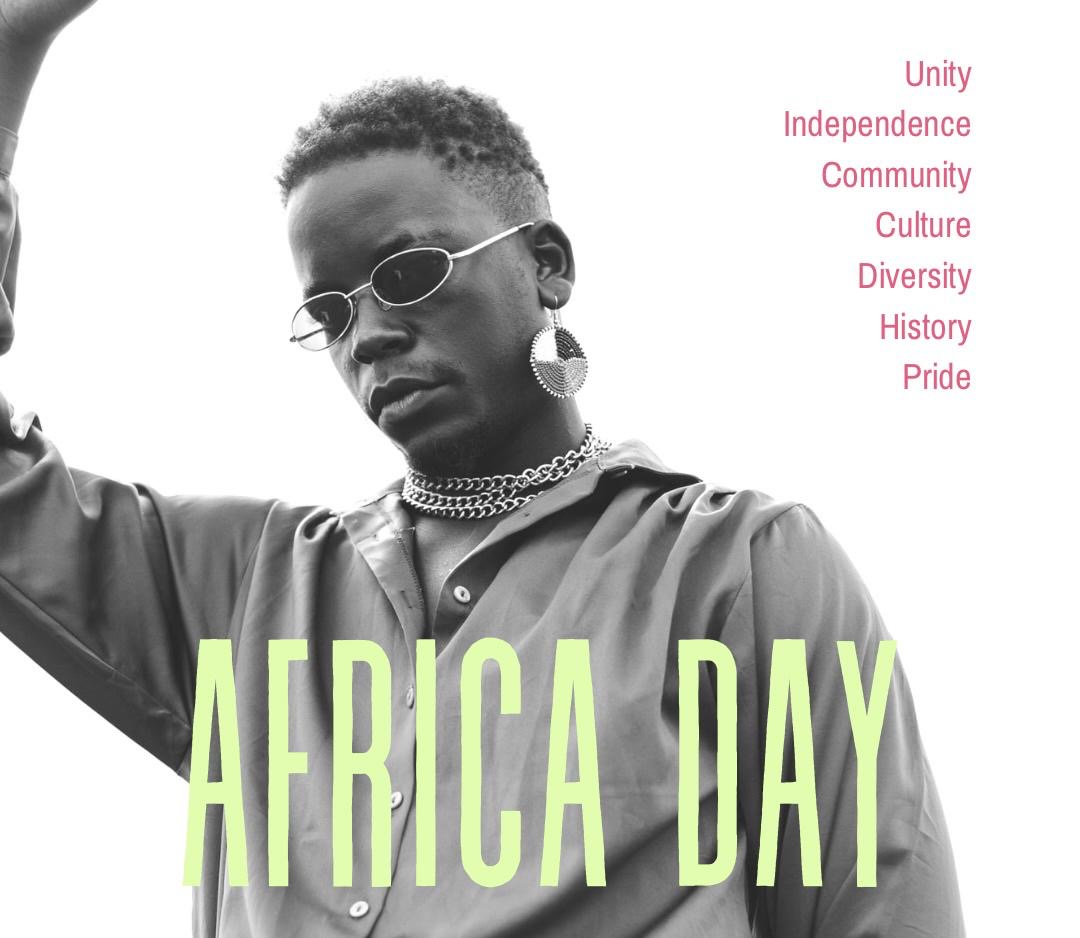
There remains, in many corners of the Western imagination, a peculiar habit of speaking about Africa in the future tense, as though its promise is forever approaching but never arriving, as though its emergence requires perpetual endorsement from elsewhere before it can be considered legitimate. Africa is still too often narrated through the language of crisis. Conflict. Corruption. Debt. Instability. Migration. Dependency.
Yet on Africa Day 2026, such thinking no longer appears sophisticated. It appears exhausted.
For while much of the world wrestles with political paralysis, demographic decline, economic anxiety and a growing crisis of social confidence, Africa is steadily becoming one of the defining forces of the twenty first century. Not because the continent has escaped hardship, but because it possesses something many older powers are beginning to lose. Momentum. Youth. Resourcefulness. Cultural vitality. The courage to imagine a future larger than its past.
Africa’s greatest obstacle has never solely been underdevelopment. It has also been underestimation.
For generations, influential commentators, policymakers and intellectuals in parts of Europe and North America framed African progress as conditional, fragile or perpetually incomplete. The continent was discussed less as an equal architect of the modern world and more as a humanitarian project suspended between recovery and crisis. Even today, many global conversations about Africa continue to carry undertones of disbelief whenever African nations demonstrate competence, innovation or ambition.
But history is becoming increasingly difficult to deny.
From Nairobi to Lagos, from Windhoek to Kigali, from Gaborone to Lusaka, a different African story is unfolding. It is visible in the rise of African technology firms transforming financial access for millions. It is visible in the extraordinary global influence of African music, fashion, literature and film. It is visible in a new generation of entrepreneurs, academics, scientists and creatives who refuse to inherit the pessimism imposed upon earlier generations.
Most importantly, it is visible in the mindset of African youth themselves.
Across the continent, young Africans are no longer waiting to be invited into global relevance. They already understand that they are shaping it. The future workforce of the world will increasingly be African. The cities expanding at the fastest pace are increasingly African. The strategic minerals powering the green economy are overwhelmingly African. The cultural currents influencing global popular culture are increasingly African.
These are not sentimental declarations. They are geopolitical realities.
None of this means Africa’s challenges should be ignored or romanticised. The continent continues to confront painful and urgent difficulties. Corruption still weakens public trust. Political institutions in some states remain vulnerable to personality cults and elite capture. Unemployment continues to threaten stability and dignity for millions of young people. Infrastructure gaps slow industrialisation. Climate change punishes African societies despite the continent contributing the least to global emissions.
And yes, African leadership must often be more honest with itself.
Liberation credentials alone cannot govern modern economies. Historical symbolism cannot substitute for effective administration. Democracy must become deeper than election cycles. Citizens deserve governments capable not only of inspiring speeches, but of delivering functioning institutions, energy security, healthcare, educational excellence and economic opportunity.
Yet criticism without historical context quickly becomes hypocrisy.
No great power developed without contradiction. Europe industrialised through centuries of colonial extraction. America rose amid slavery, racial segregation and internal conflict. Asia’s economic miracles emerged through periods of immense political turbulence and social sacrifice. No civilisation advances in a straight line.
Why then is Africa uniquely expected to emerge flawlessly?
Perhaps what unsettles some observers is not African weakness, but African independence. A self assured Africa changes global equations. It changes who controls resources, who shapes culture, who negotiates trade, who influences diplomacy and who defines the future of economic growth.
It disrupts old hierarchies.
And perhaps this explains why the continent is still so frequently described through caution rather than confidence. Because a thriving Africa would require the world to abandon long held assumptions about power itself.
Africa Day, therefore, must become more than a ceremonial celebration. It must become a declaration of intellectual confidence. Africans themselves must reject the inherited pessimism that has too often shadowed the continent’s story. Africa does not require mythology or empty slogans. It requires disciplined ambition. Strategic leadership. Serious investment in science, manufacturing, agriculture, education and innovation. It requires institutions strong enough to outlive personalities and citizens courageous enough to demand accountability from those who govern them.
But above all, Africa requires belief.
Not naïve optimism. Not performative patriotism. But the grounded confidence of a continent increasingly aware that history is beginning to move in its direction.
At a moment when much of the world appears fatigued by cynicism and uncertainty, Africa still possesses one remarkable quality. It still believes in tomorrow.
That spirit may prove more powerful than many realise.
On this Africa Day 2026, The Southern African Times refuses the tired fatalism through which Africa is too often viewed. We recognise the difficulties before us, but we also recognise the extraordinary momentum building across this continent.
Africa is no longer standing at the edge of the future.
The future is already arriving here.