As Donald Trump’s return to power looms large, the future of the African Growth and Opportunity Act (AGOA), the cornerstone of U.S. economic policy towards Africa for the past 24 years, is now in jeopardy. In response to increasing concerns about the programme’s uncertain future under a potential second Trump administration, Afreximbank, Africa’s prominent export credit agency, has launched an ambitious $300,000 lobbying initiative aimed at persuading the U.S. administration to renew AGOA.
AGOA, a vital trade framework that provides preferential access to the U.S. market for eligible African nations, has been a significant driver of economic growth across the continent. However, with the shifting political landscape following the U.S. presidential election, fears are mounting that the programme could be sidelined or even scrapped. To ensure that the voices of African nations are heard, Afreximbank has enlisted top-tier lobbying firms to advocate for AGOA’s extension.
The stakes are high for both sides of the Atlantic. African countries stand to lose invaluable access to the U.S. market, potentially hindering export growth, while the U.S. risks undermining its strategic partnerships with a continent crucial to its economic and geopolitical interests. Afreximbank’s move underscores the growing urgency to safeguard the programme, especially as Africa seeks to enhance its trade relations with global partners.



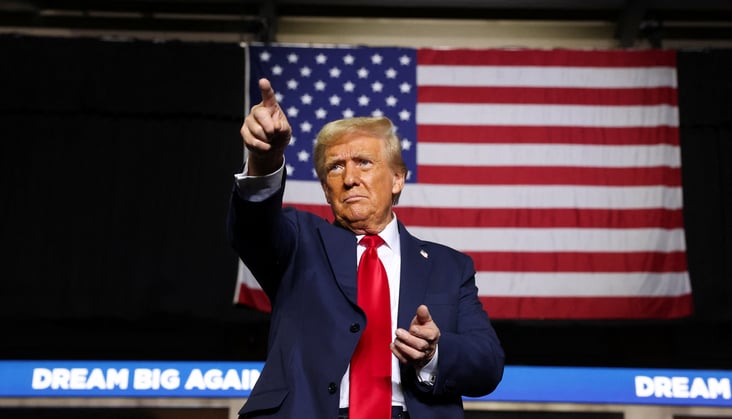
This lobbying effort comes as Trump’s election night speech in Palm Beach on November 6, 2024, made clear his intent to pursue a more protectionist approach in foreign relations. Whether this stance will extend to Africa, and AGOA in particular, remains a critical question as the continent braces for the future of its trade ties with the U.S.

In a world increasingly focused on economic self-sufficiency and diversification, the outcome of this lobbying campaign will be closely watched by governments, businesses, and citizens across Africa, whose economic destinies are intricately tied to the policies emanating from Washington. As the days unfold, the significance of AGOA—and the future of Africa-U.S. trade—hang in the balance.