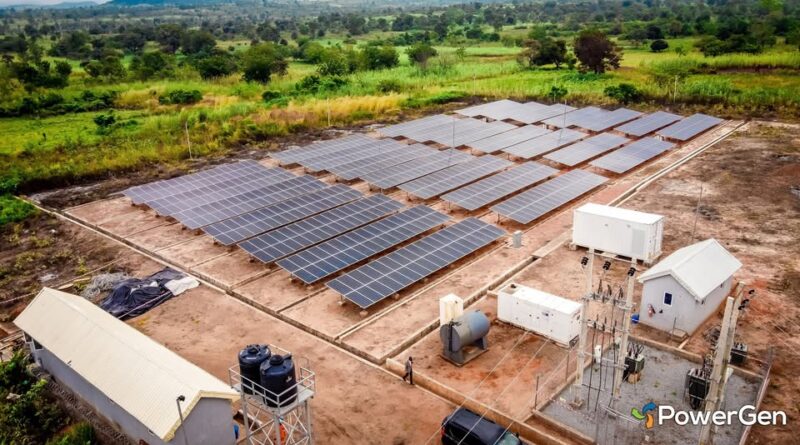
The African Development Fund, the concessional financing window of the African Development Bank Group, has approved a grant of 23.36 million US dollars to expand access to affordable and sustainable electricity in Bosaso, one of Somalia’s most vital commercial centres.
According to a statement released on Tuesday, the initiative aims to deliver clean and reliable power through the introduction of solar home systems to thousands of families, including internally displaced communities who have historically lacked access to electricity. The project, officially titled the Rehabilitation and Expansion of Bosaso Power Grid and Strengthening of Energy Sector Institutions, seeks to transform the energy landscape of northern Somalia by integrating renewable sources and upgrading existing infrastructure.
The African Development Fund will contribute 9.62 million dollars towards the programme, while the Transition Support Facility will provide 13.74 million dollars. Together, these resources will support the installation of new solar generation capacity, the expansion of electricity distribution networks, and the implementation of modern metering systems that promote efficient energy use and consumer management.



Bubacarr Sankareh, the Bank Group’s lead operations advisor for Somalia, described the project as a significant step towards building a more resilient and inclusive energy future for the country. He noted that the initiative will make electricity more affordable, cleaner, and more reliable for both families and small businesses in Bosaso.
Somalia remains one of the countries with the lowest electricity access rates globally, with approximately half of its population living without power. The new project is expected not only to address this structural challenge but also to generate employment during its construction phase and create longer term opportunities in system operation and maintenance.

The African Development Bank Group emphasised that the initiative will further support institutional development through technical training and capacity building. This is intended to strengthen Somalia’s ability to plan, manage, and regulate its energy sector, contributing to national resilience and long term development.

In a broader continental context, the Bosaso project forms part of Africa’s growing momentum towards renewable energy integration and localised power generation. It underscores a shift towards community driven electrification models that prioritise inclusion and environmental sustainability, aligning with regional aspirations for a self sustaining and interconnected African energy market.
The initiative also resonates with ongoing continental efforts such as the African Development Bank’s New Deal on Energy for Africa, which seeks to achieve universal access to electricity across the continent by 2030. For Somalia, this intervention signals a move towards stability and reconstruction through the provision of essential services that can empower both urban and rural populations to participate fully in economic and social development.