Zimbabwe is advancing discussions with Chinese state linked and private sector actors over the potential use of mineral backed financing structures to support long standing infrastructure needs, particularly in rail and road networks, according to comments from the finance ministry during engagements at the World Economic Forum in Dalian.
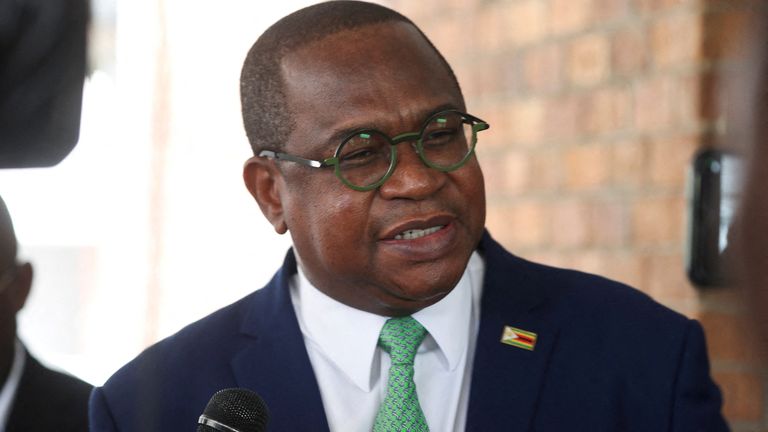
Finance minister Mthuli Ncube indicated that Harare has initiated talks with entities including China Railway Group Limited on financing models that would link future mineral revenues to infrastructure development. The approach is being framed by officials as a resource linked debt arrangement, where repayment would be structured through projected earnings from Zimbabwe’s extractive industries, including lithium, gold and other strategic minerals.
Zimbabwe, which holds some of Africa’s largest lithium deposits, continues to face persistent infrastructure deficits that have constrained domestic industrial activity and export competitiveness. Estimates by the African Development Bank place the financing requirement for modernising transport and logistics networks at approximately 34 billion United States dollars.



According to the minister, the proposed model would allow authorities to identify priority infrastructure corridors, determine project costs, and offset financing gaps through mineral based revenue streams. The framing reflects a broader trend across parts of the continent where governments are seeking to align extractive resource wealth with long term physical infrastructure development, although such arrangements often raise questions around commodity price volatility, debt exposure, and governance of future revenue streams.
The concept bears resemblance to the Sicomines arrangement in the Democratic Republic of Congo, where infrastructure development has been linked to copper and cobalt resource concessions involving Chinese partners. While supporters of such models argue that they can accelerate delivery of large scale infrastructure in capital constrained environments, critics have highlighted the importance of transparency, fiscal risk management, and equitable distribution of long term benefits.
Zimbabwe’s rail network, which has suffered decades of underinvestment, remains a critical bottleneck for bulk mineral transport. Chinese firms have already established significant positions within the country’s mining sector, particularly in lithium extraction and processing. Companies such as Zhejiang Huayou Cobalt Co., Ltd. and Sinomine Resource Group Co., Ltd. have expanded investments in recent years, reflecting growing demand for battery related minerals linked to global energy transition supply chains.
At the same time, Harare has confirmed that a planned restriction on lithium concentrate exports will proceed as scheduled in January 2027. The policy is intended to encourage greater domestic beneficiation and value addition, a strategy that has been pursued intermittently in several African mineral producing states seeking to move beyond raw commodity exports.

Officials indicated that some processing capacity is already emerging, including lithium sulphate production facilities linked to Chinese invested projects. However, the effectiveness of such industrial policy shifts will depend on energy stability, infrastructure reliability, and the pace at which downstream industries can be developed.
While the government positions mineral backed financing as a pathway to accelerate infrastructure delivery, the longer term implications will likely depend on contract structuring, commodity cycles, and the balance between immediate development needs and intergenerational fiscal commitments. The discussions also underscore the continued centrality of Chinese financed infrastructure and mining partnerships in Zimbabwe’s economic strategy, even as policymakers attempt to recalibrate the terms of engagement toward greater domestic value retention.