Malawi has announced plans to repatriate citizens who wish to leave South Africa following renewed concerns over attacks targeting foreign nationals in parts of the country.
In a statement issued late on Tuesday, Malawi’s Ministry of Foreign Affairs said the repatriation exercise would be voluntary and limited to Malawian citizens who have formally requested assistance from the government. Authorities said further details regarding transport arrangements, registration procedures and timelines would be communicated once logistical preparations have been completed.
The move comes amid heightened anxiety among migrant communities in South Africa, where periodic outbreaks of xenophobic violence have continued to fuel insecurity among foreign nationals. Immigrants are often blamed by some groups for a range of socio economic challenges, including unemployment, crime and pressure on public services, despite repeated warnings from government officials and civil society organisations against scapegoating migrant populations.



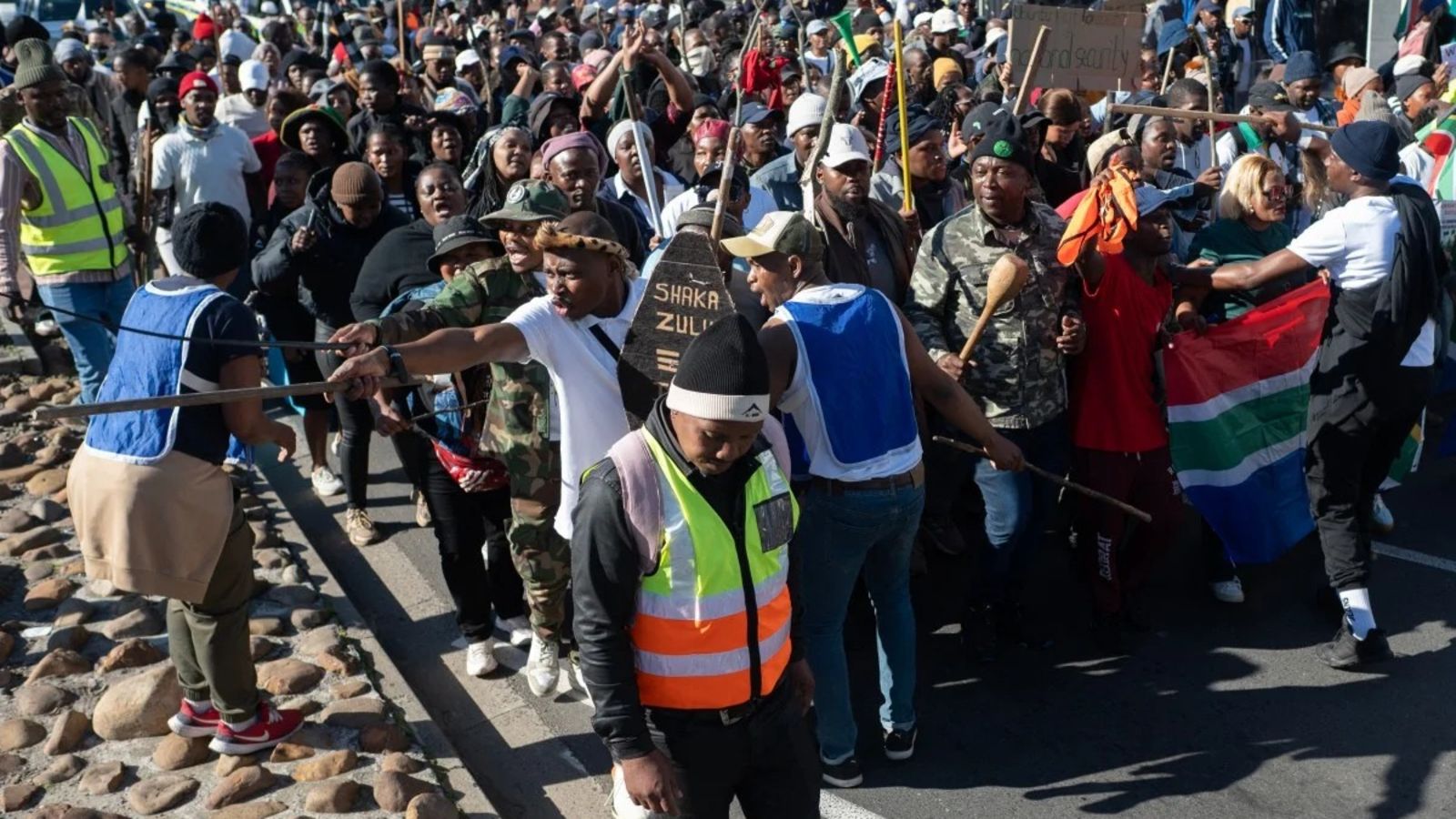
Tensions have intensified in recent weeks following calls by anti immigration groups demanding that undocumented foreign nationals leave the country by 30 June. The rhetoric has heightened fears among migrants, many of whom rely on South Africa’s comparatively stronger economy for employment and business opportunities.
Several African governments have already taken steps to assist citizens affected by the growing uncertainty. Mozambique said five of its nationals were killed during violence in the coastal town of Mossel Bay over the weekend, prompting renewed concerns about the safety of foreign communities living in the country. Ghana has also repatriated hundreds of its citizens in recent weeks as a precautionary measure.
South African authorities have sought to reassure both citizens and foreign nationals that law enforcement agencies will act against those responsible for violence or incitement. Addressing Parliament on Tuesday, Cyril Ramaphosa stressed that while the government remained committed to tackling illegal immigration, this should not be pursued through unlawful means.

“We should not resort to violence, xenophobia and vigilantism,” Ramaphosa said, reiterating the government’s position that immigration challenges must be addressed within the framework of the law.
The issue of migration remains politically sensitive in South Africa, which hosts millions of foreign nationals from across the continent. Many migrants arrive from neighbouring countries in search of employment, education and better economic prospects, while others seek refuge from conflict, political instability or humanitarian crises in countries such as the Democratic Republic of the Congo.
South Africa’s status as the continent’s most industrialised economy has long made it a destination for migrants and asylum seekers. However, persistent economic pressures, including high unemployment and slow economic growth, have periodically fuelled anti migrant sentiment in some communities.
Regional observers have warned that rising tensions underscore the need for greater cooperation between African governments to address migration challenges while safeguarding the rights and safety of migrants. Human rights organisations have also called on authorities to ensure that all residents, regardless of nationality or immigration status, are protected from violence and discrimination.
As Malawi prepares to facilitate the voluntary return of its citizens, the development highlights growing concerns across the region about the safety and welfare of migrant communities in South Africa, a country that remains both an economic hub and a refuge for people seeking new opportunities or protection from hardship.