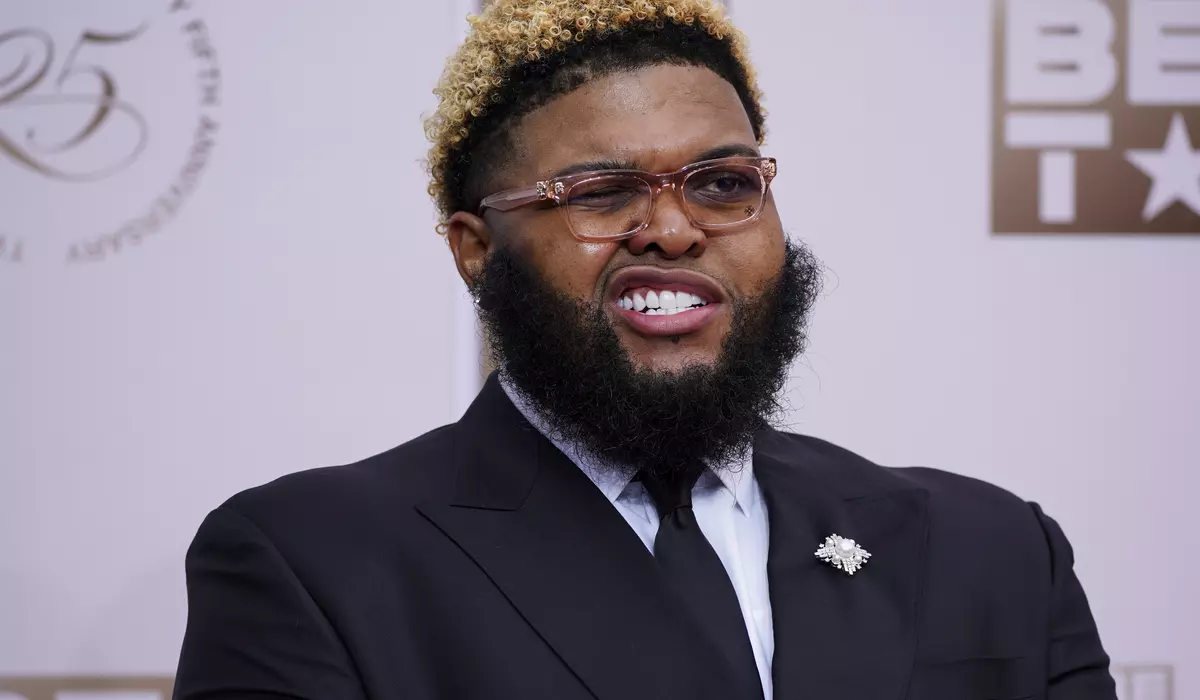
Millions watched the sketch within hours. The setup was intentionally absurd: comedian Druski appears in what resembles a sombre prestige slavery drama, delivering emotionally charged dialogue in a distinctly African-American cadence before abruptly breaking character and reverting to an exaggerated South London accent the moment the director yells “cut”. The satire landed immediately because audiences understood the reference without explanation. The target was not merely British actors. It was Hollywood’s increasingly uncomfortable debate over who gets to embody the American story.
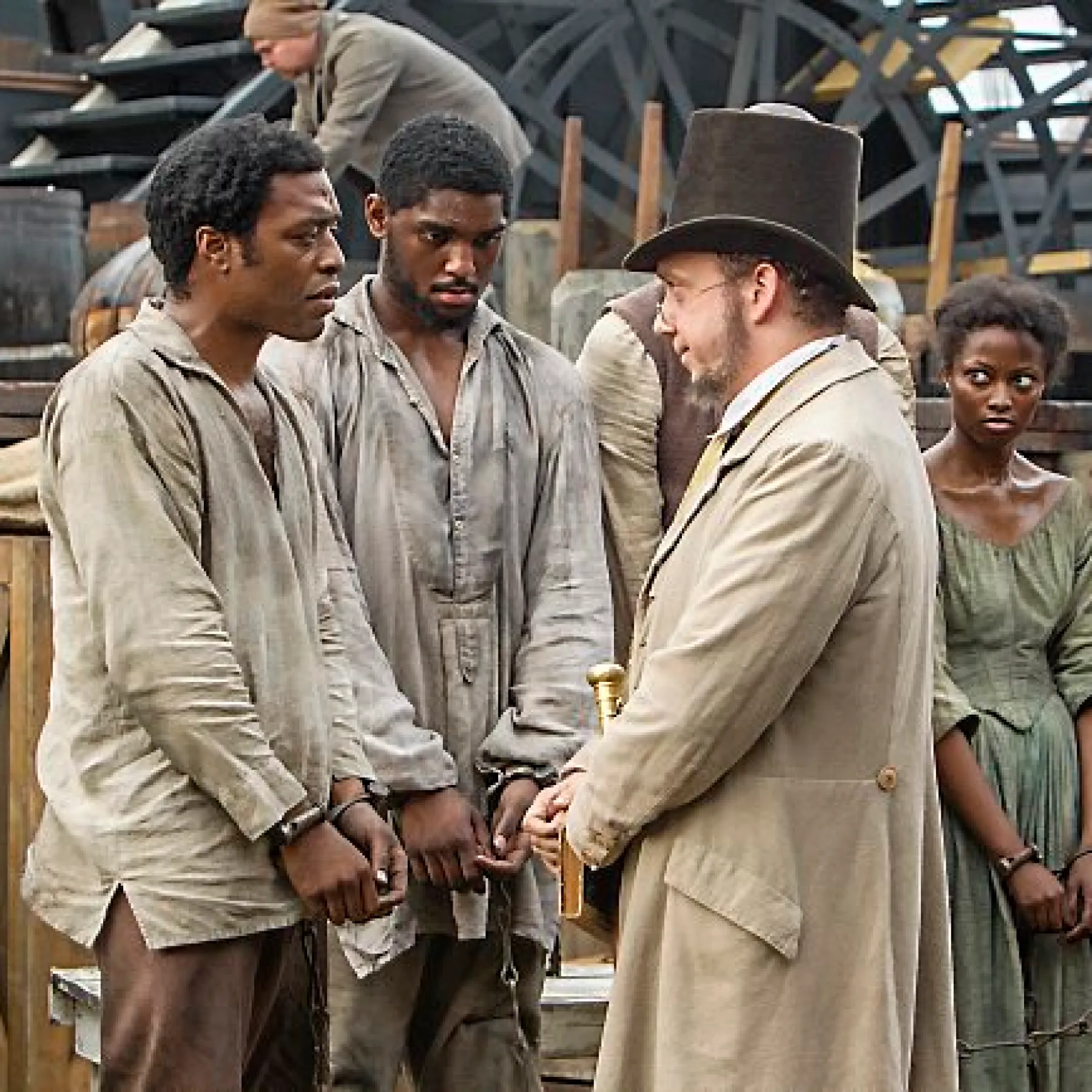
In recent years, Black British actors have become central figures in some of America’s most culturally sensitive narratives. Daniel Kaluuya received widespread acclaim for his performance in Get Out. David Oyelowo portrayed Martin Luther King Jr. in Selma. Damson Idris built a successful career portraying African-American characters in U.S. television dramas, while Idris Elba long ago crossed seamlessly into American productions. Their success has generated admiration, but also periodic resentment, particularly among some African-American commentators who argue that Hollywood is outsourcing stories rooted in specifically African-American historical experiences.
The controversy itself is hardly new. Nearly a decade ago, Samuel L. Jackson publicly questioned Hollywood’s preference for Black British actors in films centred on African-American identity, asking whether certain performances lacked the “nuance” of lived American Black experience. His comments ignited fierce backlash, though they also exposed an unresolved anxiety within the industry: are some stories so culturally specific that they should primarily belong to those who inherited them? Samuel L. Jackson’s criticism of Black British casting in Hollywood



Yet Druski’s sketch succeeds because it reveals the inconsistency at the heart of that argument.
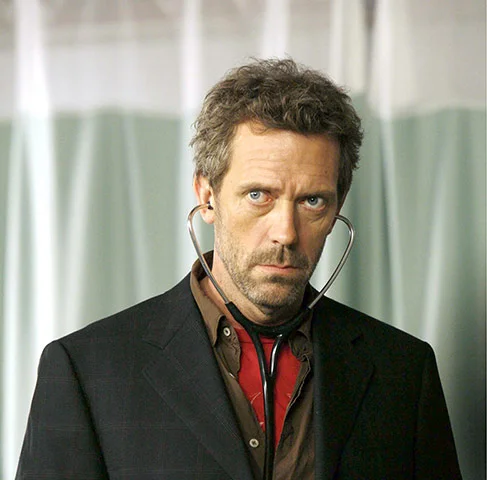
For decades, white British actors have dominated American cinema with remarkably little controversy. Christian Bale became the definitive on-screen Batman. Hugh Laurie portrayed one of American television’s most iconic doctors in the series House. Tom Holland now embodies Spider-Man, perhaps New York’s quintessential fictional hero. Emily Blunt, Andrew Garfield and Benedict Cumberbatch have all portrayed Americans without provoking sustained cultural outrage.
Indeed, British actors are often celebrated precisely because they are foreign. Hollywood executives and casting directors have long romanticised Britain’s conservatoire tradition, particularly institutions such as the Royal Academy of Dramatic Art and the London Academy of Music and Dramatic Art. British theatre training, grounded in Shakespearean performance, vocal discipline and repertory theatre culture, is frequently treated within Hollywood as a marker of artistic seriousness. America may dominate the global entertainment economy, but it still imports much of its cultural prestige from Britain.
That contradiction matters.
The United States exports perhaps the world’s most influential popular culture, yet its entertainment industry has long maintained an almost colonial reverence for British theatrical legitimacy. A British accent, particularly within elite acting circles, still carries associations of refinement, technical discipline and intellectual depth. This cultural hierarchy has quietly shaped casting decisions for decades.
The question, then, is why the debate intensifies specifically when Black British actors enter African-American narratives.
Part of the answer lies in history rather than performance. African-American identity is not merely a nationality or an accent. It is deeply intertwined with slavery, segregation, Jim Crow laws, mass incarceration, police violence, the civil rights movement and centuries of institutional exclusion. For many African-Americans, these experiences constitute inherited social memory rather than abstract historical material.
Within that framework, some critics argue that stories rooted in African-American suffering or resistance should primarily be told by African-Americans themselves. The concern is not entirely irrational. Hollywood historically excluded Black American actors while simultaneously profiting from Black culture. According to repeated studies by the UCLA College of Social Sciences, Black performers remain underrepresented in leading film roles relative to population demographics, despite improvements in recent years. UCLA Hollywood Diversity Reports examining representation in film and television Meanwhile, prestige films centred on racial trauma continue to attract critical acclaim, awards recognition and commercial profitability.
In such an environment, competition over culturally specific roles inevitably becomes emotionally charged.
But the authenticity argument begins to fracture once applied consistently.
If lived experience is essential for legitimacy, where exactly does the principle end? Must only soldiers portray veterans? Must only recovering addicts play addicts? Must only survivors portray trauma? Acting, by definition, depends upon imaginative transformation. The profession itself becomes incoherent if identity inheritance becomes the primary qualification for artistic credibility.
Hollywood has historically celebrated performers precisely for transcending themselves. Daniel Day-Lewis built an entire career upon disappearing into identities radically detached from his own upbringing. American audiences routinely praise actors for mastering accents, inhabiting unfamiliar social classes and embodying experiences they have never personally endured.
This is what makes the current controversy so selective.
When white British actors portray Americans, the discussion tends to focus on technical excellence and theatrical training. When Black British actors portray African-Americans, the conversation suddenly shifts toward authenticity, ownership and cultural boundaries. The discrepancy suggests that the debate is not fundamentally about acting at all. It is about race, scarcity and historical exclusion.
There is another uncomfortable reality that rarely enters public conversation directly: many British actors simply outperform their American counterparts at auditions.
Britain’s acting ecosystem continues to prioritise theatre, dialect coaching and classical performance training in ways increasingly uncommon within America’s celebrity-driven entertainment culture. This is not an ideological observation but an institutional one. The British stage remains a powerful developmental pipeline. Even many successful American actors increasingly seek theatre-based training precisely because Hollywood’s own developmental structures have weakened over time.
The rise of Black British actors in Hollywood also reflects the changing nature of the Black diaspora itself. Many contemporary British actors emerge from African and Caribbean immigrant households shaped by highly education-oriented cultures, globalised media consumption and multilingual social environments. Their identities are simultaneously British, African, Caribbean and transnational. Hollywood, increasingly global in both financing and audience strategy, naturally gravitates toward performers capable of navigating multiple cultural registers.
Druski’s sketch works because comedy often reveals truths that formal political discourse struggles to articulate. Beneath the humour lies a deeper anxiety about ownership in an era of global entertainment. Who has the right to tell American stories? Can identity be performed across borders? And why are some forms of cultural transformation celebrated while others provoke suspicion?
The irony is that Hollywood itself has always depended upon reinvention. The American dream, both cinematically and culturally, has historically been built upon performance: immigrants becoming Americans, outsiders becoming stars, unknowns becoming icons. The industry’s mythology depends upon transformation.


What the current debate exposes is not simply tension between British and American actors, but a broader crisis within contemporary identity politics itself. Modern culture simultaneously demands authenticity while celebrating artistic transcendence. It insists identity matters profoundly while expecting actors to inhabit identities beyond themselves.
Druski understood this contradiction instinctively. By reducing the debate to a single exaggerated accent switch, he exposed how unstable the logic underneath it has become.
The real question is not whether Black British actors should play African-American roles. They already do, and will continue to do so. The more revealing question is why Hollywood only seems to worry about authenticity selectively, and what that selectivity says about race, power and cultural ownership in the modern West.
In the end, the outrage may tell us less about acting than about America itself.