African policymakers, regulators and insurance industry leaders have renewed calls for deeper investment in insurance and risk financing systems amid concerns that millions of people and businesses across the continent remain vulnerable to economic and climate related shocks.
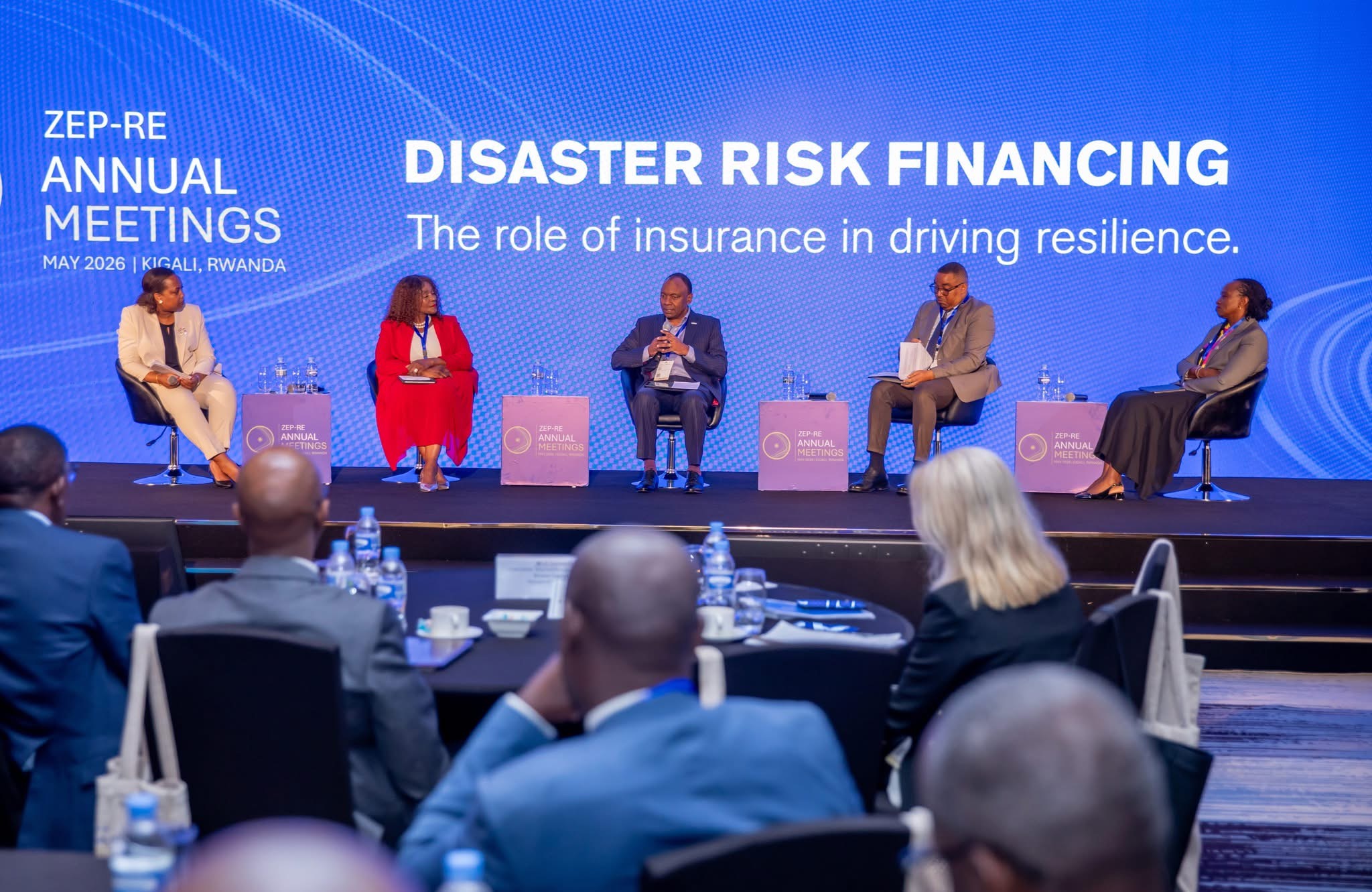
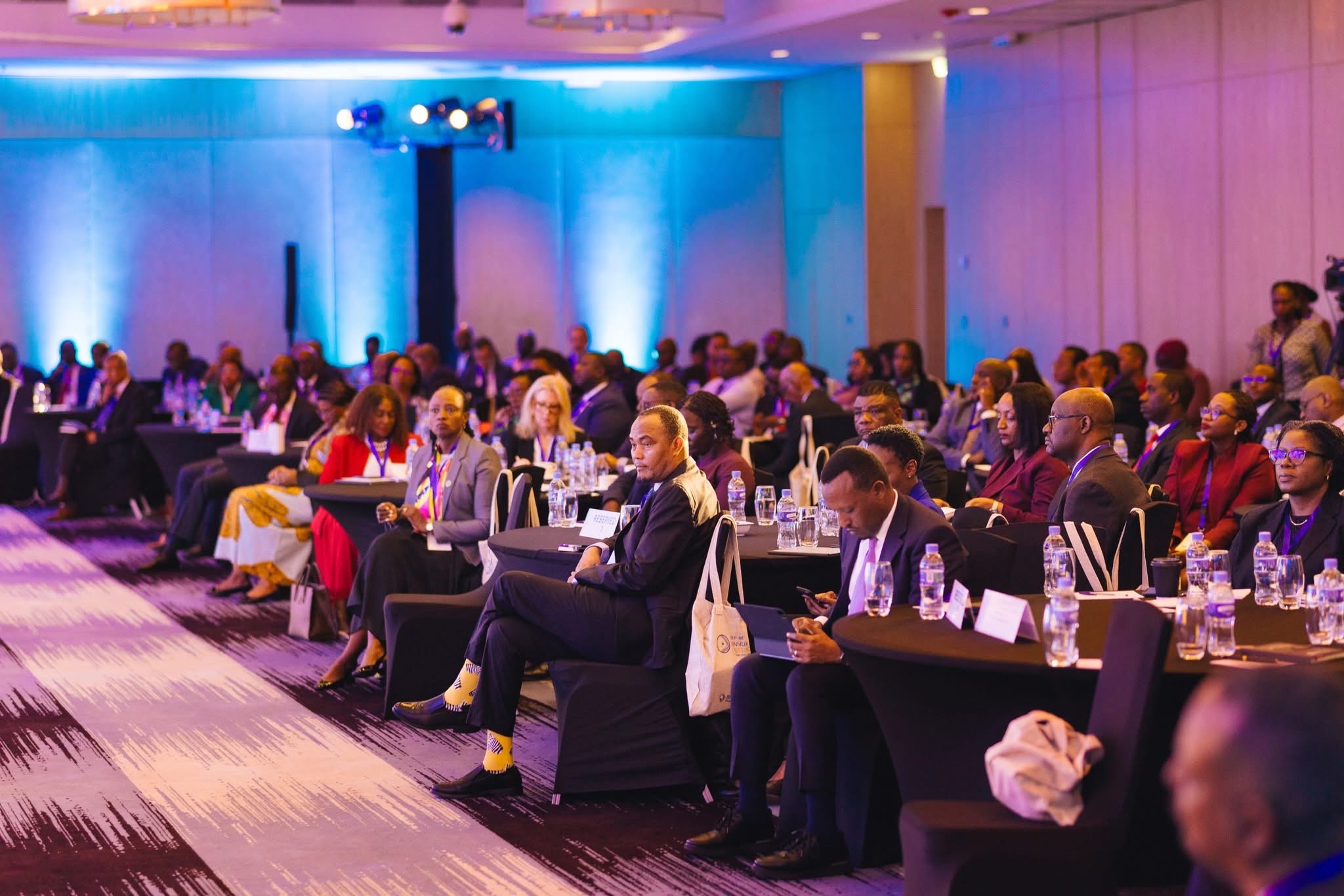
Discussions at the 2026 annual meetings of ZEP RE (PTA Reinsurance Company) in Kigali, Rwanda, focused on the widening insurance protection gap in Africa and the implications this poses for fiscal stability, economic resilience and sustainable development. The meetings were convened in partnership with the Government of Rwanda and brought together senior officials, regulators, development partners and private sector representatives from across the continent.
According to figures presented during the meeting, insurance penetration in Africa remains significantly below global averages. Speakers noted that insurance coverage across the continent stands at approximately 2.7 per cent of gross domestic product, compared with a global average estimated at around 7 per cent. Industry analysts have long argued that low insurance uptake leaves households, businesses and governments exposed to financial shocks linked to natural disasters, public health emergencies, infrastructure losses and economic disruptions.



Rwanda’s Minister of Finance and Economic Planning, Yusuf Murangwa, said the limited reach of insurance services continues to leave many African communities financially vulnerable during periods of crisis.
“Africa is underinsured. That gap represents hundreds of millions of people who, when disaster strikes, have little protection against financial hardship,” he said during the meeting, according to a statement released by Rwanda’s Ministry of Finance and Economic Planning.
Murangwa added that governments across the continent have a role to play in creating regulatory frameworks that support innovation, improve market confidence and advance financial inclusion. He also noted that expanding access to insurance products would require stronger collaboration between governments, insurers and reinsurers.
The discussions reflected broader concerns about the increasing frequency of climate related disasters and the pressure these events place on public finances. Across several African countries, post disaster recovery efforts are often financed through emergency borrowing or budget reallocations, placing strain on already constrained fiscal resources.
Hope Murera, Managing Director and Group Chief Executive Officer of ZEP RE, said insurance mechanisms could play a more substantial role in reducing the long term economic impact of disasters.
“When disasters occur, recovery is too often financed through debt, placing additional strain on already constrained fiscal space. Insurance has a critical role to play in absorbing shocks and enabling faster, more sustainable recovery,” she said.
Participants at the Kigali meeting also discussed the need for more inclusive insurance models capable of reaching informal economies, smallholder farmers and low income households, sectors that remain central to many African economies yet are often excluded from conventional insurance markets.
Simon Chikumbu, Vice Chairperson of the Board of Directors at ZEP RE, said regional cooperation would be necessary to strengthen resilience and expand access to risk protection mechanisms.

“Africa remains significantly underinsured, and addressing this requires deliberate collaboration across governments, regulators and industry,” he said.
The Governor of the National Bank of Rwanda, Soraya Hakuziyaremye, argued that insurance should increasingly be viewed as part of broader economic planning rather than solely as a specialised financial product. She noted that a significant proportion of catastrophe related losses across Africa remain uninsured, leaving recovery costs to be absorbed by individuals, businesses and governments.
Analysts attending the forum also pointed to uneven insurance development across the continent. While countries such as South Africa have relatively mature insurance markets, penetration rates in many other African states remain low due to limited public awareness, affordability challenges and gaps in distribution infrastructure. Expanding digital financial services and mobile based insurance platforms was identified as one possible avenue for improving access.

Established in 1990 under the former Preferential Trade Area framework, the precursor to the Common Market for Eastern and Southern Africa (COMESA), ZEP RE was created to support the development of insurance and reinsurance industries across eastern and southern Africa. The institution continues to play a role in regional capacity building and risk management initiatives.
As African economies confront growing exposure to climate volatility, infrastructure risks and global economic uncertainty, participants at the Kigali meetings indicated that strengthening insurance ecosystems could become an increasingly important component of the continent’s long term development and resilience strategies.