Namibia’s annual inflation rate continued its downward trajectory in March 2026, easing to 2.1 percent, according to the latest Consumer Price Index bulletin released by the Namibia Statistics Agency. The figure represents a marked decline from 4.2 percent recorded in March 2025 and follows a similarly moderated rate of 2.4 percent observed in February 2026.
The latest data suggests a sustained period of disinflation within the Namibian economy, reflecting broader regional and global price stabilisation trends, as well as domestic factors influencing household expenditure. According to the Namibia Statistics Agency, the most significant contributors to the slower rate of price increases were housing related costs, including water, electricity, gas, and other fuels, which collectively accounted for 1.1 percentage points of the annual inflation rate. Food and non alcoholic beverages also remained a notable contributor, although price pressures in this category appear to have softened compared to the previous year.
On a monthly basis, inflation registered 0.2 percent in March, a modest increase from the zero percent change recorded in February. This indicates a slight uptick in short term price movements, though not sufficient to alter the broader downward trend in annual inflation.



Regional disparities remain evident within the national data. Inflation in the Khomas Region, which includes the capital Windhoek, exceeded the national average, pointing to differentiated cost of living dynamics between urban centres and other parts of the country. Such variations reflect structural differences in consumption patterns, housing demand, and service costs, which continue to shape localised inflationary pressures.

Core inflation, which excludes volatile items such as food and energy, stood at 2.9 percent in March. This higher rate relative to headline inflation suggests that underlying price pressures persist within certain sectors of the economy, even as overall inflation moderates.

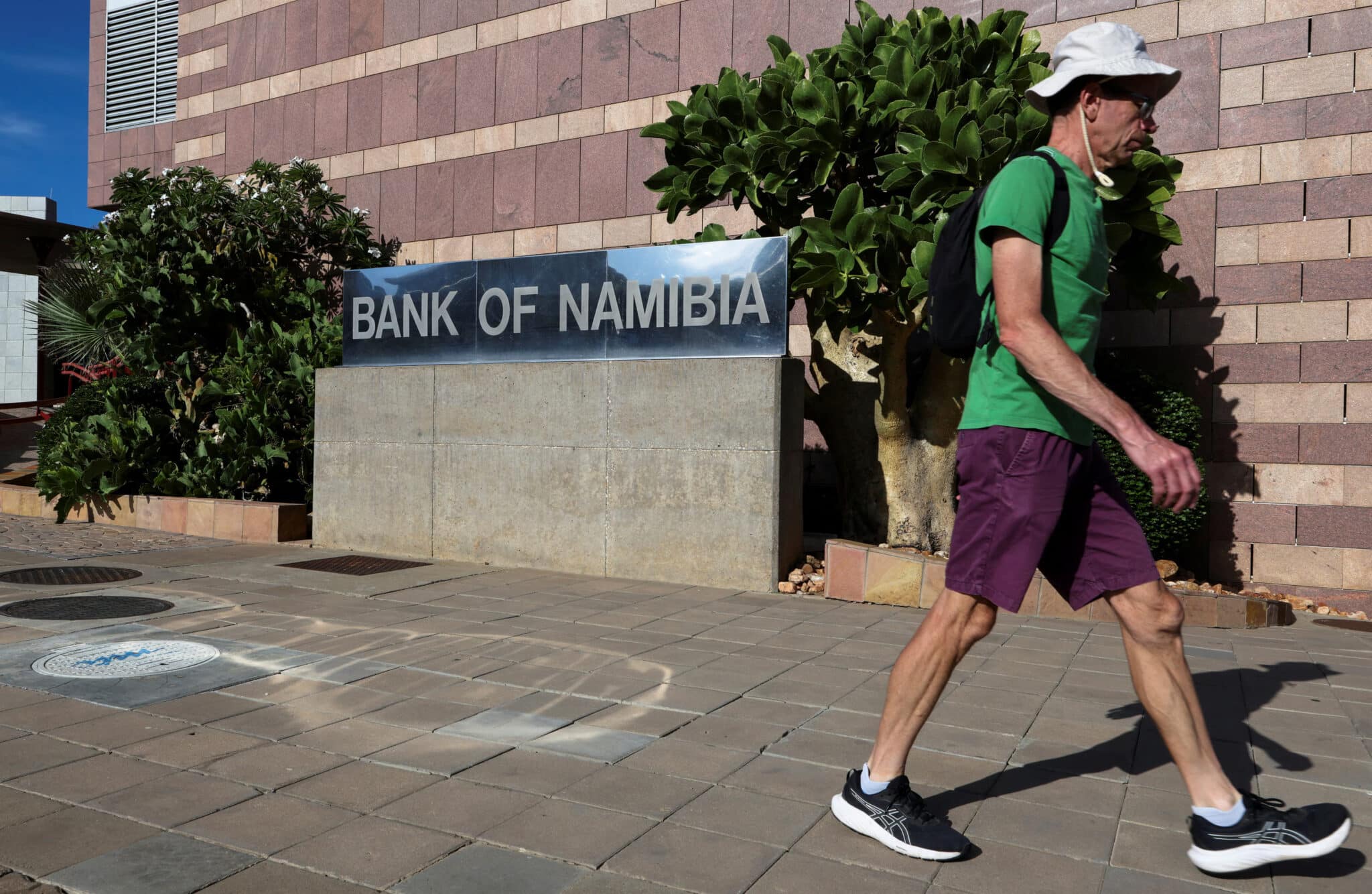
The Namibia Consumer Price Index, published monthly by the Namibia Statistics Agency, remains a critical instrument for monitoring price movements affecting households, businesses, and policymakers. Further details on the methodology and recent releases can be accessed via the Namibia Statistics Agency. Comparative regional inflation trends are also tracked by institutions such as the Bank of Namibia, which provide additional context on monetary conditions within the Southern African region.
From a broader African perspective, Namibia’s declining inflation aligns with a pattern observed in several economies across the continent, where easing global commodity prices and targeted domestic policy interventions have contributed to improved price stability. However, the persistence of core inflationary pressures highlights the complexity of economic recovery pathways and the need for continued attention to structural factors that shape affordability and livelihoods across diverse communities.