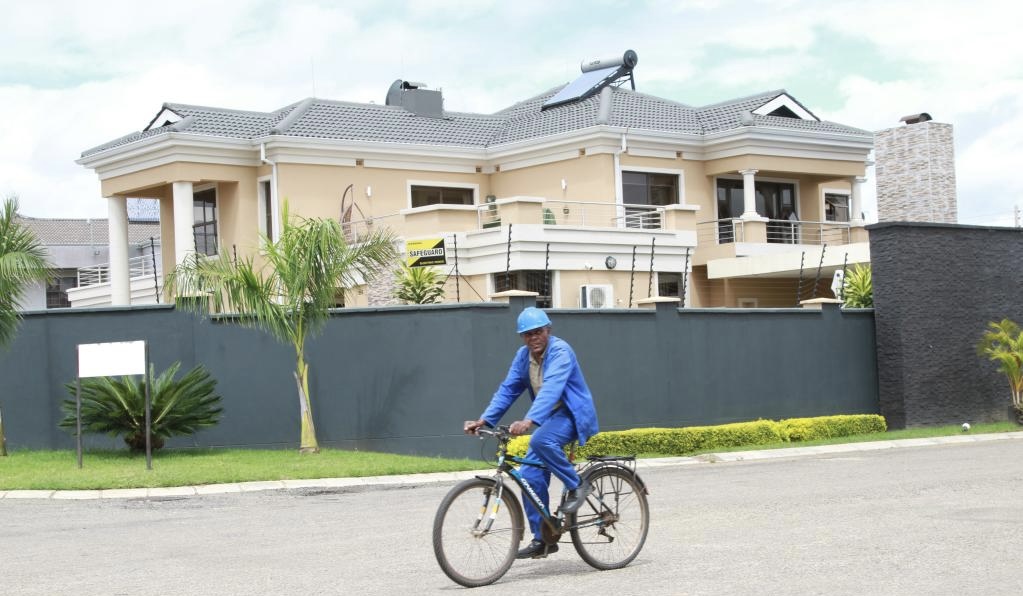
An observable shift is underway in Zimbabwe’s urban property sector, where rising demand from affluent Chinese nationals is contributing to notable changes in Harare’s high end housing market. Estate agents and property analysts report increased activity in premium suburbs, with some agencies adapting by employing Mandarin speaking staff to facilitate transactions and client engagement.
This development reflects a broader trajectory in which Chinese economic involvement in Zimbabwe has expanded across multiple sectors. Over the past two decades, China has become one of Zimbabwe’s most significant economic partners, with investments spanning infrastructure, mining, agriculture and finance. Chinese capital has also played a visible role in construction and urban development, including real estate acquisition and development in Harare.
Within the property market, estate professionals indicate that a segment of buyers are acquiring homes outright, often in foreign currency. While such transactions can accelerate sales and inject liquidity into a market that has historically been constrained by currency volatility, they also raise questions regarding regulatory oversight and fiscal capture. Zimbabwe’s exchange control framework has long shaped property transactions, and cash purchases may operate in ways that are less visible to formal tax systems.



At the same time, rising demand for luxury housing has contributed to upward pressure on prices in selected suburbs. This trend is not entirely new. Previous periods have shown that external capital, including diaspora investment, has driven property price increases and residential development cycles. The current phase, however, is distinctive in its linkage to newer migration and investment patterns tied to China’s evolving global economic footprint.

China’s presence in Zimbabwe is particularly pronounced in the extractive sector, especially lithium mining, which has gained strategic importance in global energy transitions. Alongside mining, Chinese firms have invested in infrastructure projects, agricultural ventures and financial services, reinforcing long term economic ties between the two countries. These engagements are often embedded within broader partnerships that extend beyond single industries.
The emergence of Chinese buyers in Zimbabwe’s housing market therefore sits within a wider pattern of mobility and capital flows across the African continent. New migrant communities are not only engaged in large scale investment but are also participating in everyday urban economies, including retail, construction and property. In this context, property ownership can serve both as a practical need and as a store of value in a fluctuating economic environment.
Perspectives within Zimbabwe remain varied. Some stakeholders view the influx of foreign capital as a stabilising force that sustains demand in a challenging macroeconomic climate. Others express concern about affordability, particularly in a country where access to housing remains uneven and where formal housing supply has struggled to meet demand.
Across the region, similar dynamics are unfolding as African cities attract diverse forms of international investment. These processes are not uniform and are shaped by local regulatory frameworks, historical land policies and socio economic conditions. In Zimbabwe, the interaction between foreign investment and domestic housing needs continues to evolve, reflecting both opportunity and complexity.

As one Harare based property manager noted in industry reporting, external investors are entering a market where many local actors face constraints in accessing capital. This contrast underscores a broader reality across parts of the continent, where global capital flows intersect with local aspirations for housing, stability and economic participation.

Rather than a singular narrative, the changing profile of Zimbabwe’s housing market illustrates a layered and interconnected story. It is one in which African cities remain active sites of negotiation between local priorities and global economic currents, with outcomes that continue to unfold in real time.