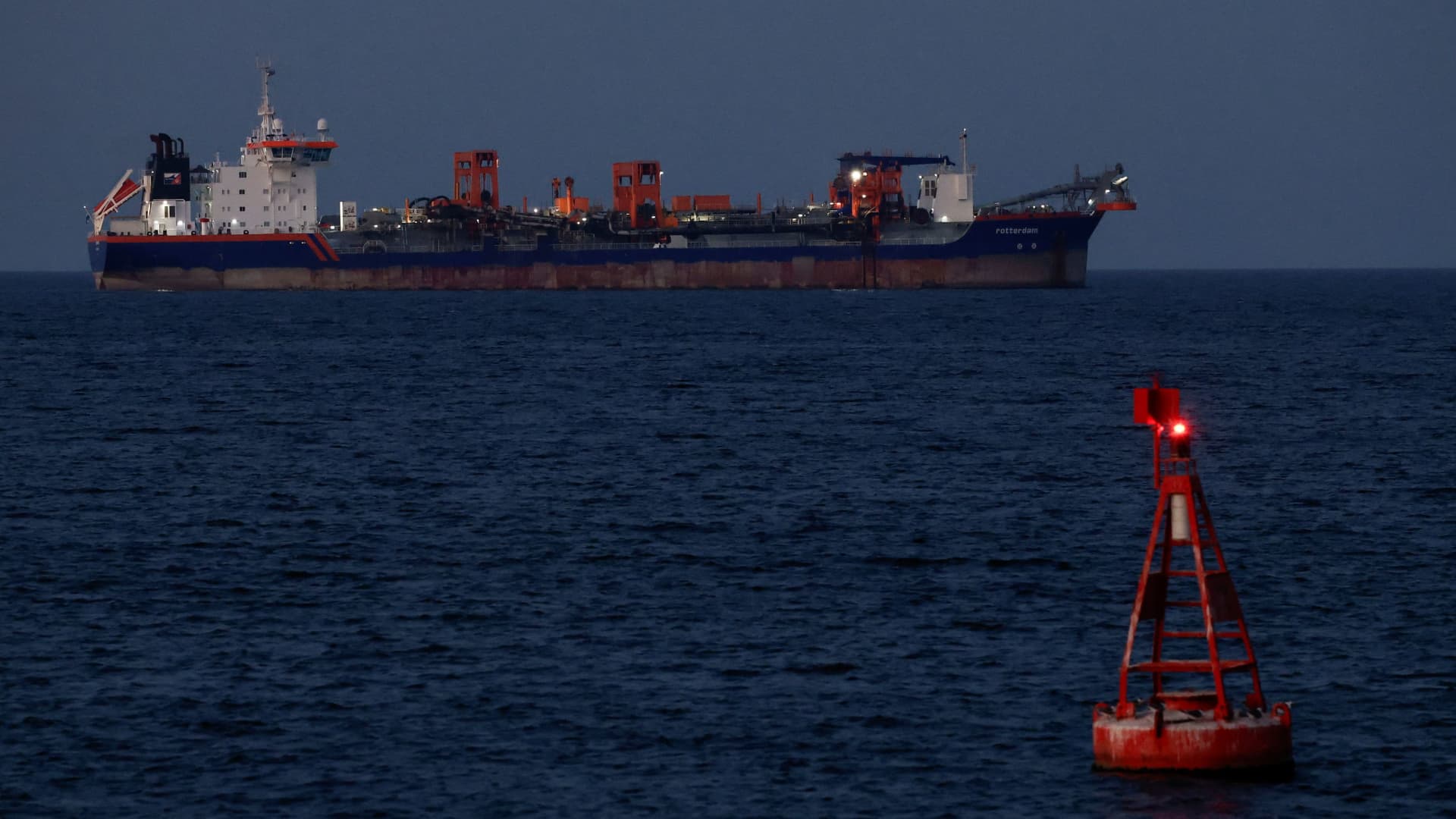
Rising geopolitical tensions in the Gulf have placed renewed focus on the fragility of global energy corridors, with developments around the Strait of Hormuz sending ripples through financial markets and prompting wider reflection across the African continent. The Strait remains one of the most critical arteries for global oil flows, carrying a significant share of internationally traded crude and petroleum products, and its stability is closely tied to global economic equilibrium.
Recent exchanges between the United States and Iran have intensified concerns about the security of this passage. Statements from Washington indicating the possibility of military action if shipping routes remain obstructed have heightened uncertainty, while Tehran has maintained that any reopening of the Strait is contingent upon broader political and economic considerations. The evolving situation underscores the complexity of the dispute and the limited scope for immediate resolution through conventional diplomatic channels.
Financial markets have responded in varied ways. In Asia, benchmark indices such as Japan’s Nikkei 225 and South Korea’s Kospi recorded gains, suggesting selective investor confidence or sectoral adjustments linked to energy and export dynamics. However, these movements occurred within a context of reduced trading activity in parts of the region, which tempers broader interpretations of market sentiment.



In contrast, futures markets in the United States signalled caution, with declines across major indices reflecting investor sensitivity to geopolitical risk and potential inflationary pressures. This divergence between regional market responses highlights the uneven ways in which global shocks are absorbed and interpreted.
Oil prices have risen sharply in response to the uncertainty. Benchmark crude prices moved above 110 United States dollars per barrel, reflecting concerns about supply disruption. According to the U.S. Energy Information Administration, a substantial proportion of global oil supply passes through the Strait, making it a critical chokepoint in the international energy system. Even temporary disruptions can therefore exert significant upward pressure on prices, with consequences that extend across industries and national economies.
Efforts by oil producing countries to increase output have provided limited reassurance to markets. While additional supply may offset some immediate pressures, the scale of geopolitical uncertainty continues to outweigh these measures. As a result, volatility is likely to remain a defining feature of the energy landscape in the near term.

For African economies, the implications are multifaceted. Countries that rely heavily on imported fuel may experience rising costs that affect transport, food prices, and broader inflation. These pressures are often felt most acutely by households, where energy costs intersect directly with daily livelihoods. At the same time, oil producing nations within Africa may see short term fiscal gains, though these are frequently moderated by structural constraints and fluctuating global demand.
Beyond immediate price effects, the situation draws attention to longer term questions of energy resilience across the continent. There is growing recognition of the need to diversify energy sources, strengthen regional supply chains, and reduce exposure to external shocks. These priorities align with broader continental initiatives aimed at enhancing economic integration and sustainability.
The unfolding developments in the Strait of Hormuz serve as a reminder that global economic stability is deeply interconnected. While the geopolitical dynamics originate outside the continent, their consequences are felt within African markets and communities. Maintaining a balanced and context sensitive understanding of these events remains essential, particularly in ensuring that African perspectives are fully integrated into global economic discourse.