Wednesday, June 17, 2026
  • Login
The Southern African Times
  • Home
  • Southern Africa
  • Business
    • African Start ups
    • African Continental Free Trade Area
  • Technology
    • Lifestyle
      • Health
      • Culture
      • Food and Drink
      • Entertainment
  • Opinion
  • Sports
  • SAT Jobs
    • Events
  • About Us
    • Advertise with Us
    • Contact Us
No Result
View All Result
  • Home
  • Southern Africa
  • Business
    • African Start ups
    • African Continental Free Trade Area
  • Technology
    • Lifestyle
      • Health
      • Culture
      • Food and Drink
      • Entertainment
  • Opinion
  • Sports
  • SAT Jobs
    • Events
  • About Us
    • Advertise with Us
    • Contact Us
No Result
View All Result
The Southern African Times
No Result
View All Result
Home North Africa Libya

Libya’s Oil Output Reaches Decade High as Production and Revenues Rebound

by SAT Reporter
April 6, 2026
in Libya, North Africa
0
Libya’s Oil Output Reaches Decade High as Production and Revenues Rebound

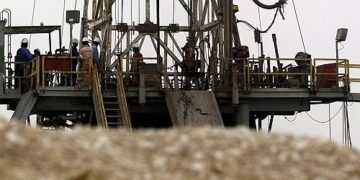
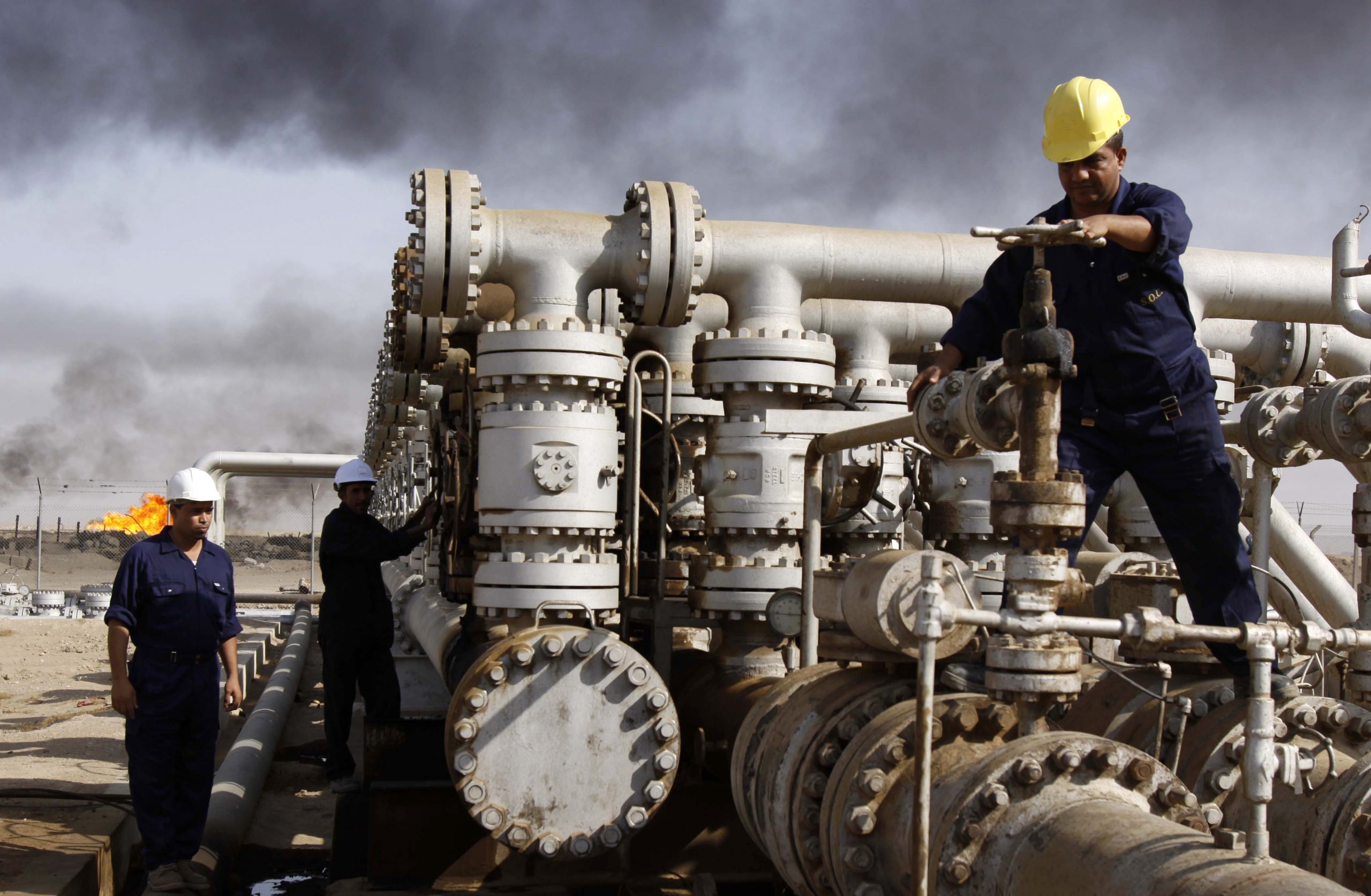
Libya’s oil production has risen to approximately 1.43 million barrels per day, marking its highest level in more than a decade, according to the country’s National Oil Corporation. The announcement reflects a notable phase of operational recovery within one of Africa’s most strategically significant energy sectors, which continues to shape both domestic economic conditions and continental energy dynamics.

The National Oil Corporation stated that February oil revenues exceeded 2 billion US dollars, with proceeds transferred in full to the state treasury. This development is significant within the Libyan context, where disputes over revenue distribution have historically been intertwined with political fragmentation and institutional division. According to reporting from Energy Capital and Power, hydrocarbons account for more than 90 percent of Libya’s state income, underscoring the sector’s centrality to fiscal stability and public expenditure.

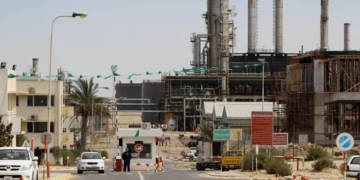
Production gains have been supported by the restoration of operations at key sites, including the Al Sharara oilfield in the country’s southwest. With a capacity exceeding 300000 barrels per day, Al Sharara remains Libya’s largest oilfield and a critical node in national output. Maintenance work on its export pipeline has recently been completed, enabling a return to full production levels. Further context on Libya’s oil infrastructure and reserves can be found via the US Energy Information Administration, which tracks global energy developments.


ADVERTISEMENT

Officials have also indicated that domestic fuel supply remains stable despite wider global energy uncertainties. This relative stability is notable given ongoing volatility in international energy markets, shaped by geopolitical tensions, supply chain disruptions and shifting demand patterns. Within Africa, Libya’s recovery contributes to a broader conversation about resource governance, energy sovereignty and the role of hydrocarbons in transitional economies.

At the same time, the sustainability of current output levels remains contingent on several structural factors. The National Oil Corporation has emphasised the importance of maintaining a stable power grid and improving operational efficiency across production sites. These technical considerations intersect with broader governance challenges, as Libya continues to navigate a complex political landscape following years of conflict and institutional fragmentation.

From a pan African perspective, Libya’s production recovery highlights both the resilience and vulnerability of resource dependent economies across the continent. While increased output offers immediate fiscal relief and the potential for reinvestment in public services and infrastructure, it also raises enduring questions about diversification, equitable distribution of resource wealth and long term economic transformation.

Libya’s experience resonates with wider continental efforts to balance resource extraction with inclusive development. As African states engage with global energy transitions, the Libyan case illustrates the importance of locally grounded strategies that reflect national realities while contributing to regional stability and cooperation.

The current production milestone therefore represents not only a technical achievement but also a moment of reflection on how African resource economies can navigate uncertainty while asserting agency over their development trajectories.

Tags: African EnergyAl Sharara oilfieldeconomic recoveryenergy governancehydrocarbonsLibyaNational Oil CorporationNorth Africaoil productionresource management
Previous Post

Digital Mining Gains Ground Across Africa as Real Time Data Reshapes Operations

Next Post

Middle East Conflict Raises Economic Risks for Africa, AU and Partners Warn

SAT Reporter

Related Posts

Tunisians Protest Against President Saied Amid Crisis
Tunisia

Tunisians Protest Against President Saied Amid Crisis

by SAT Reporter
May 17, 2026
Morocco Adds $2bn to Budget to Offset War Shock
Morocco

Morocco Adds $2bn to Budget to Offset War Shock

by SAT Reporter
May 15, 2026
Sudan’s Conflict Economy and Regional Interests Under Scrutiny
North Africa

Sudan’s Conflict Economy and Regional Interests Under Scrutiny

by SAT Reporter
May 10, 2026
Libya shuts key refinery as clashes erupt near Tripoli
Libya

Libya shuts key refinery as clashes erupt near Tripoli

by SAT Reporter
May 9, 2026
Algeria to Raise Oil Output as OPEC+ Adjusts Supply
Algeria

Algeria to Raise Oil Output as OPEC+ Adjusts Supply

by SAT Reporter
May 4, 2026
Next Post
Middle East Conflict Raises Economic Risks for Africa, AU and Partners Warn

Middle East Conflict Raises Economic Risks for Africa, AU and Partners Warn

Browse by Category

  • Africa AI
  • African Continental Free Trade Area
  • African Debt
  • African Start ups
  • Agriculture
  • AI Africa
  • Algeria
  • All News
  • Analysis
  • Angola
  • Arts / Culture
  • Asia
  • Botswana
  • BOTSWANA
  • BREAKING NEWS
  • BRICS
  • Burkina Faso
  • Burundi
  • Business
  • Business
  • Business Wire
  • Cameroon
  • Central Africa
  • Chad
  • China
  • Climate Change
  • Climate Changev
  • Community
  • Congo Republic
  • Conservation
  • Côte d’Ivoire
  • COVID 19
  • CRYPTOCURRENCY
  • Culture
  • Democratic Republic of Congo
  • Diplomacy
  • Eastern Africa
  • Economic Development
  • Economy
  • Education
  • Egypt
  • Elections 2024
  • Energy
  • Entertainment
  • Environment
  • Eritrea
  • Ethiopia
  • Europe
  • Fashion
  • Feature
  • Finance
  • Financial Inclusion
  • Food
  • Food and Drink
  • Foods
  • GABON
  • Ghana
  • Global
  • Global Africa
  • Guinea
  • Health
  • Humanitarian Aid
  • Immigration
  • in Southern Africa
  • International news
  • International Relations
  • Investment
  • Ivory Coast
  • Just In
  • Kenya
  • Lesotho
  • Libya
  • Life Style
  • Lifestyle
  • Literature
  • Malawi
  • Malawi
  • Mali
  • Markets
  • Mauritius
  • Middle East
  • Mining in Africa
  • Morocco
  • Mozambique
  • Namibia
  • Niger
  • niger
  • Nigeria
  • North Africa
  • North-Eastern Africa
  • Obituaries
  • Obituary
  • Opinion
  • PARTNER CONTENT
  • Politics
  • Property
  • Racism
  • Rwanda
  • Rwanda
  • SADC
  • SAT Interviews
  • SAT Investigation
  • SAT Jobs
  • Saudi Arabia
  • Senegal
  • Seychelles
  • Somaliland
  • South Africa
  • South Sudan
  • Sports
  • Startup Africa
  • STOCK EXCHANGE
  • Sudan
  • Sustainability
  • Sustainablity
  • Tanzania
  • Technology
  • Telecommunications
  • The Editorial Board
  • The Power Of She
  • Togo
  • Trade
  • Travel
  • Travel
  • Tunisia
  • Uganda
  • Uncategorized
  • Wealth
  • West Africa
  • World
  • World
  • ZAMBIA
  • Zambia
  • Zimbabwe
  • ZIMBABWE

Browse by Tags

#NewsUpdate #SouthAfrica #SouthernAfricanTimes #TheSouthernAfricanTimes AfCFTA africa African Continental Free Trade Area African development African Development Bank African economies African economy African Union Agriculture Angola Botswana China Climate change Cyril Ramaphosa Economic Development economic growth energy transition Ghana governance industrialisation Inflation Infrastructure Infrastructure Development International relations Investment Kenya Mozambique Namibia news Nigeria Regional Integration renewable energy Rwanda SADC South Africa Southern Africa sustainable development Tanzania United States Zambia Zimbabwe
ADVERTISEMENT

WHO WE ARE

The Southern African Times is a regional bloc digital newspaper that covers Southern African and world news. The paper also gives a nuanced analysis on news and covers a wide range of reporting which include sports, entertainment, foreign affairs, arts and culture.

Welcome Back!

Login to your account below

Forgotten Password?

Retrieve your password

Please enter your username or email address to reset your password.

Log In
  • Home
  • Southern Africa
  • Business
    • African Start ups
    • African Continental Free Trade Area
  • Technology
    • Lifestyle
      • Health
      • Culture
      • Food and Drink
      • Entertainment
  • Opinion
  • Sports
  • SAT Jobs
    • Events
  • About Us
    • Advertise with Us
    • Contact Us
Not enough quota to unlock this post
Unlock left : 0
Are you sure want to cancel subscription?