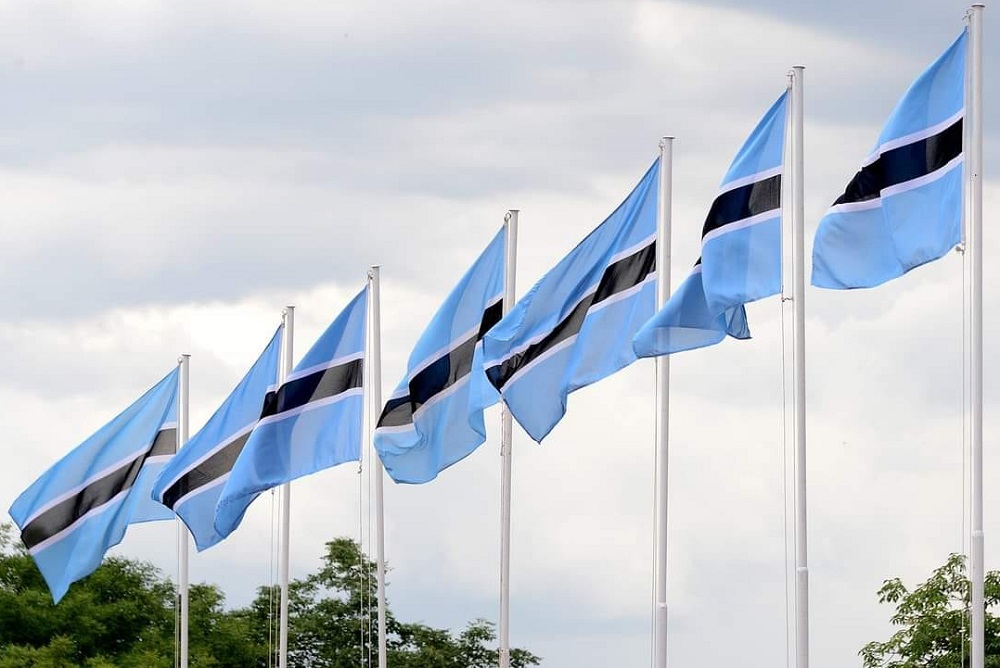
Botswana has formally rejected claims that the United States operates a military base within its borders, describing such assertions as misinformation and reaffirming its sovereign control over national defence infrastructure.
In a statement issued on 17 March 2026, the government clarified that Thebephatshwa Air Base, located west of Gaborone, is owned and operated exclusively by the Botswana Defence Force. Officials emphasised that the installation functions as a national asset designed to support Botswana’s security priorities, including disaster response, peacekeeping readiness and humanitarian coordination.
The clarification follows the circulation of reports suggesting the existence of a United States military installation in the country. Authorities in Gaborone stated that these claims are not grounded in verified evidence and risk distorting public understanding of Botswana’s defence posture.



Botswana has historically maintained a policy of non alignment while engaging in cooperative security arrangements with a range of international partners. This includes periodic joint training exercises and capacity building initiatives with countries such as the United States, conducted within frameworks that preserve national sovereignty. According to publicly available information from the Government of Botswana, such engagements are consistent with broader regional commitments to stability and peacekeeping under the auspices of the Southern African Development Community.
Thebephatshwa Air Base itself has long been recognised as a key logistical and operational hub for the Botswana Defence Force. Its functions include facilitating air mobility, supporting emergency interventions during natural disasters and enabling Botswana’s contributions to regional and continental peace support missions. Further context on Botswana’s defence structure can be found through the Botswana Defence Force, which outlines its mandate as centred on territorial integrity and support to civil authorities.
While the United States maintains a limited number of permanent military installations on the African continent, most notably Camp Lemonnier in Djibouti, its broader engagement across Africa typically involves partnerships, training programmes and joint exercises rather than the establishment of sovereign bases. The US Department of Defense has previously indicated that such cooperation is conducted in coordination with host nations and does not imply ownership of local facilities.
Botswana’s response underscores a wider concern among African states regarding the circulation of unverified claims in the digital information environment, particularly when such narratives intersect with questions of sovereignty and security. By addressing the reports directly, the government has sought to reaffirm both its autonomy and its commitment to transparent communication.

At a regional level, Botswana reiterated its longstanding emphasis on dialogue, mutual respect and cooperative security. This position aligns with broader Southern African approaches that prioritise multilateral engagement and the peaceful resolution of disputes, reflecting a continental perspective that situates security within both national and collective frameworks.
The government concluded by calling for public discourse on national security matters to be anchored in accurate and verifiable information, noting that informed engagement is essential to sustaining trust and regional stability.