Maritime traffic through the Strait of Hormuz has slowed significantly amid escalating military tensions involving Iran, with the United States Navy reportedly declining repeated requests from commercial shipping companies seeking naval escorts through the strategic waterway.
According to information reported by Reuters, representatives from the global shipping and oil industries have sought military protection for vessels passing through the strait almost daily since the outbreak of hostilities involving Iran. United States naval officials have reportedly informed industry representatives during regular security briefings that providing escorts is currently not possible because the risk of attacks remains elevated.
The Strait of Hormuz is widely regarded as one of the most important maritime passages in the global energy system. Approximately one fifth of the world’s petroleum supply passes through the narrow waterway linking the Persian Gulf to the Arabian Sea, making it central to international energy trade and the functioning of global markets.



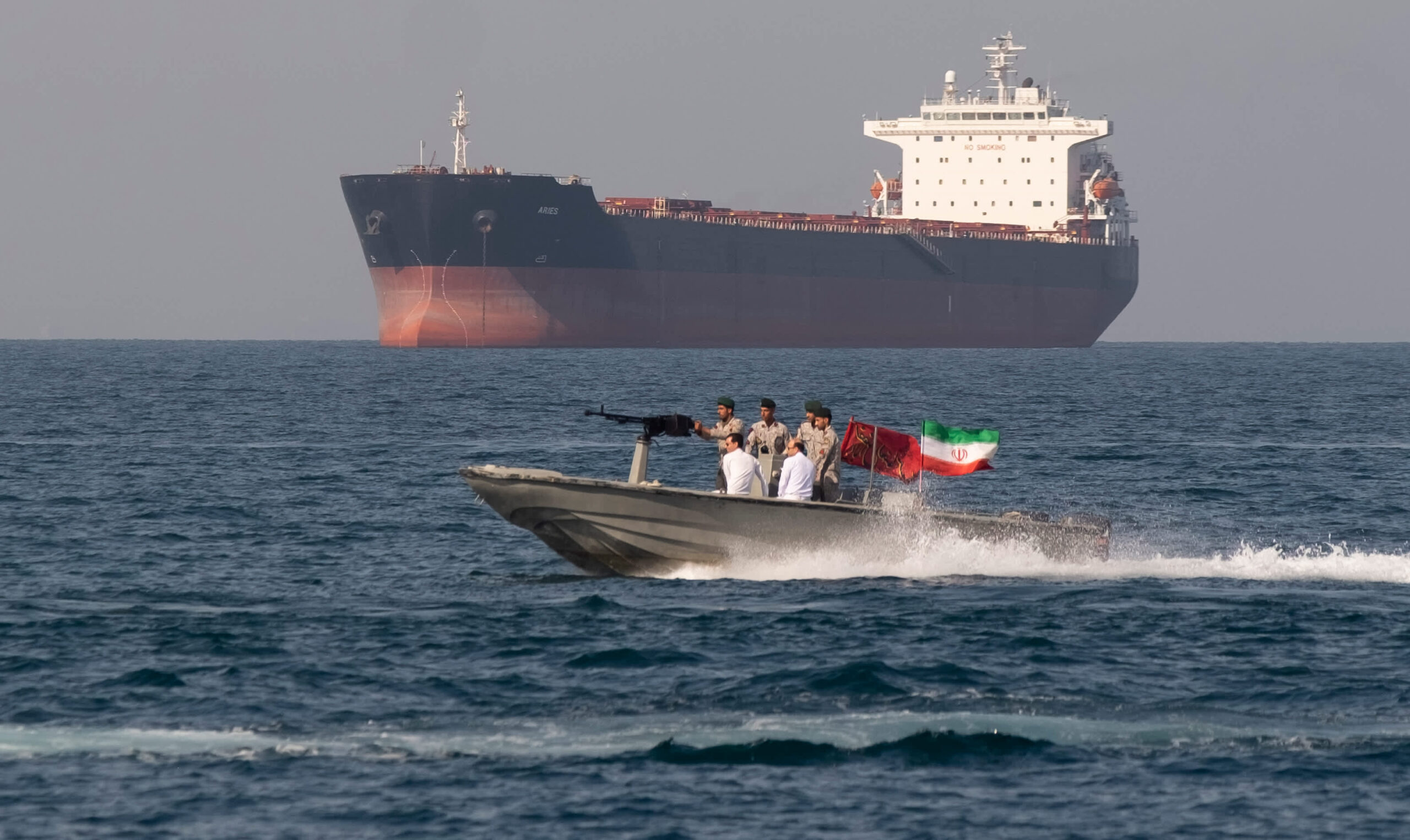
Commercial shipping through the passage has slowed dramatically in recent days, with many vessels delaying transit while awaiting security assurances. Industry sources indicate that hundreds of ships are currently anchored or waiting outside the waterway amid uncertainty over maritime safety.
Iranian officials have issued warnings that vessels attempting to pass through the strait during the current conflict could face military action. Iranian media previously reported statements from a senior member of the Islamic Revolutionary Guard Corps indicating that the waterway had effectively been closed in response to the conflict. Several ships operating in the broader region have reportedly sustained damage in recent incidents.
The disruption has contributed to volatility in global oil markets, with prices rising sharply as traders assess the potential for prolonged supply interruptions from the Gulf region. Gulf producers, including Saudi Arabia’s state oil company Aramco, have warned that sustained disruption to shipping through the strait could have severe consequences for global energy markets.

United States President Donald Trump has publicly stated that the United States could provide naval escorts for tankers if necessary. Speaking during a press briefing in Florida, he indicated that the United States Navy and its partners were prepared to escort vessels through the strait should conditions require such action. However, military officials have clarified that no commercial ships have yet been escorted through the waterway during the current crisis.
General Dan Caine, chairman of the Joint Chiefs of Staff, confirmed that the US military is examining a range of operational options should political authorities order the navy to undertake escort missions.
Maritime security specialists note that protecting shipping in the Strait of Hormuz presents complex operational challenges. The passage is relatively narrow and heavily trafficked, while regional military dynamics include the presence of naval mines, unmanned aerial vehicles, anti ship missiles and fast attack craft capable of coordinated swarm tactics. These factors can make it difficult for even advanced naval forces to guarantee the safety of commercial vessels.
Analysts also observe that ensuring safe transit through the strait could require extensive multinational coordination, sustained surveillance operations and mine clearing capabilities across a wide maritime area.
For countries across Africa, developments in the Gulf carry significant economic implications. Many African economies rely on imported petroleum products that move through global maritime supply chains connected to the Middle East. Disruptions in the Strait of Hormuz therefore have the potential to influence fuel prices, shipping costs and inflation across energy importing economies on the continent.
The situation illustrates how geopolitical tensions in distant regions can shape economic conditions across Africa through interconnected trade routes and energy markets. As governments and shipping companies continue to monitor developments closely, the resumption of normal maritime traffic through the Strait of Hormuz will depend largely on the trajectory of the conflict and the broader security environment in the Gulf.