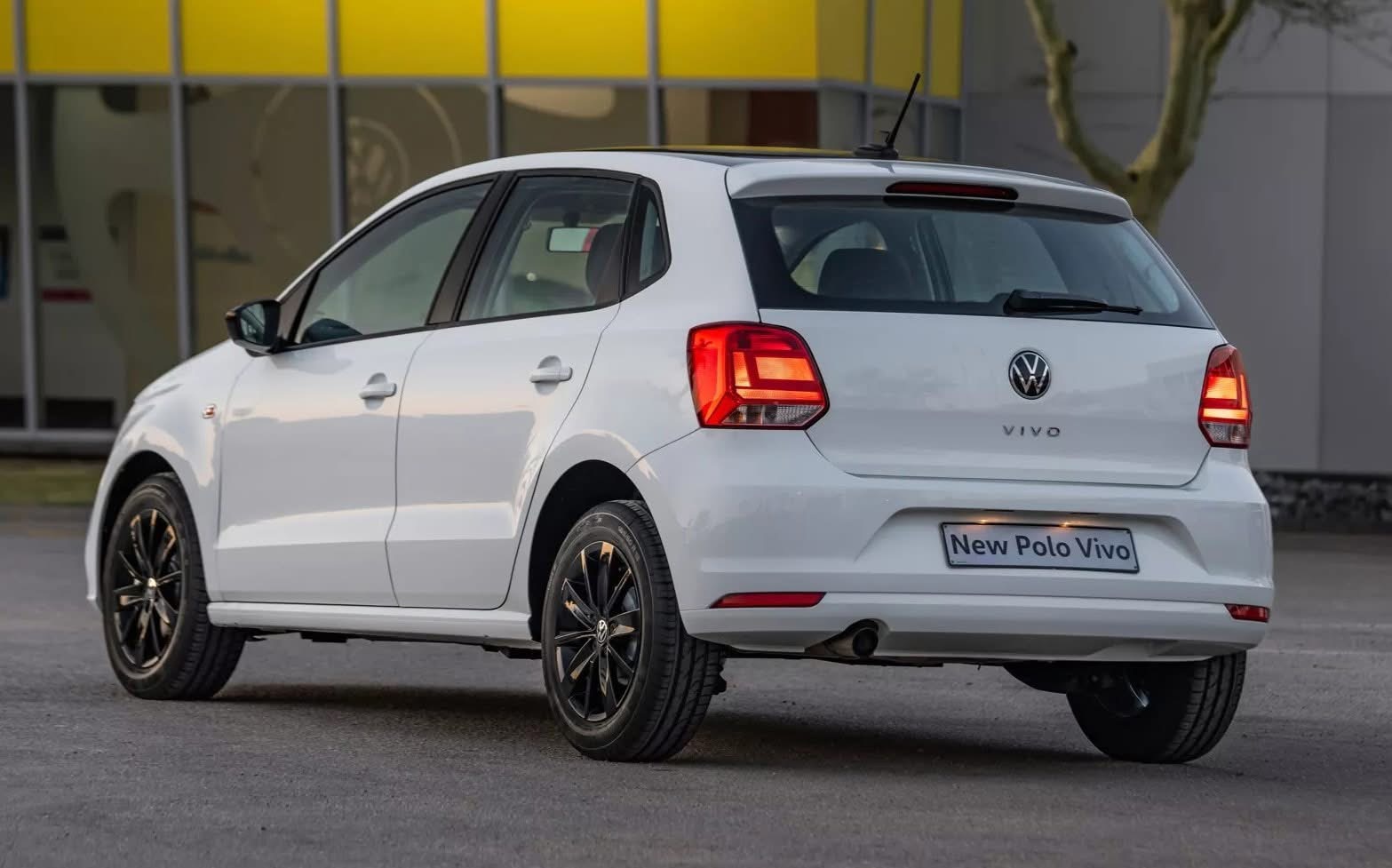
Volkswagen Group Africa has initiated a recall of 25,729 Polo Vivo vehicles in South Africa after a potential safety defect was identified in the handbrake mechanism, according to an announcement by the National Consumer Commission. The recall affects vehicles sold between February 2025 and February 2026 and forms part of regulatory oversight aimed at safeguarding motorists and strengthening consumer protection across the country’s automotive sector.
The Commission stated that a rivet on the handbrake lever in some vehicles may have been manufactured outside the required height specification. When the rivet height falls outside these parameters, the handbrake may fail to engage correctly or, in rare circumstances, disengage unexpectedly. Regulators noted that such a defect could present a safety risk, particularly when vehicles are parked on inclined surfaces.
Owners of affected vehicles have been encouraged to arrange inspections at authorised Volkswagen dealerships. According to the Commission, both the inspection process and any required repairs will be carried out without cost to vehicle owners. The company has also advised drivers to take precautionary measures while awaiting inspection, including selecting first gear in manual vehicles or “P” in automatic models and avoiding parking on slopes where possible.



Hardin Ratshisusu, acting commissioner of the National Consumer Commission, indicated that the regulator is monitoring the recall process to ensure compliance with South Africa’s Consumer Protection Act. The legislation establishes the legal framework for product safety and accountability in the country, obliging manufacturers and suppliers to address defects that could compromise consumer welfare.
Vehicle recalls are a recognised component of automotive quality assurance systems worldwide. Research examining product safety oversight in the automotive sector suggests that recalls are often initiated once potential defects are identified during post production monitoring, customer complaints, or regulatory review. These processes are designed to reduce risk to consumers and strengthen industry accountability through corrective action and transparency.
In South Africa, the Polo Vivo has remained one of the country’s most widely purchased passenger vehicles, reflecting the importance of reliable safety oversight within a market that continues to serve millions of motorists across urban and rural communities. The recall process therefore carries implications beyond a single model, highlighting the broader relationship between regulators, manufacturers, and consumers within the African automotive landscape.
Scholars examining product liability frameworks in South Africa note that the Consumer Protection Act has strengthened mechanisms for addressing defective goods, including vehicles, by providing clearer legal recourse for consumers and more explicit obligations for manufacturers. Studies also emphasise that transparent recall processes contribute to improved public trust in both regulatory institutions and the automotive sector.
Within a continental context, the South African automotive industry functions as one of Africa’s largest manufacturing hubs, supplying vehicles and components across the region. Regulatory actions such as recalls therefore form part of a wider ecosystem that shapes safety standards, supply chains, and consumer expectations throughout the African market. Ensuring that potential defects are addressed quickly and openly helps reinforce the credibility of Africa’s growing automotive industry while centring the safety of motorists and communities.

While the current recall relates specifically to a technical manufacturing issue, the Commission’s oversight underscores a broader commitment to consumer rights and product accountability. Through monitoring the process and requiring corrective measures, authorities aim to ensure that affected vehicles are inspected and repaired efficiently, thereby reducing potential risk to drivers and passengers.
For owners of affected vehicles, Volkswagen has indicated that dealerships will provide further guidance on scheduling inspections and completing the required adjustments. The National Consumer Commission has encouraged motorists to respond promptly to recall notices so that the necessary safety checks can be completed.