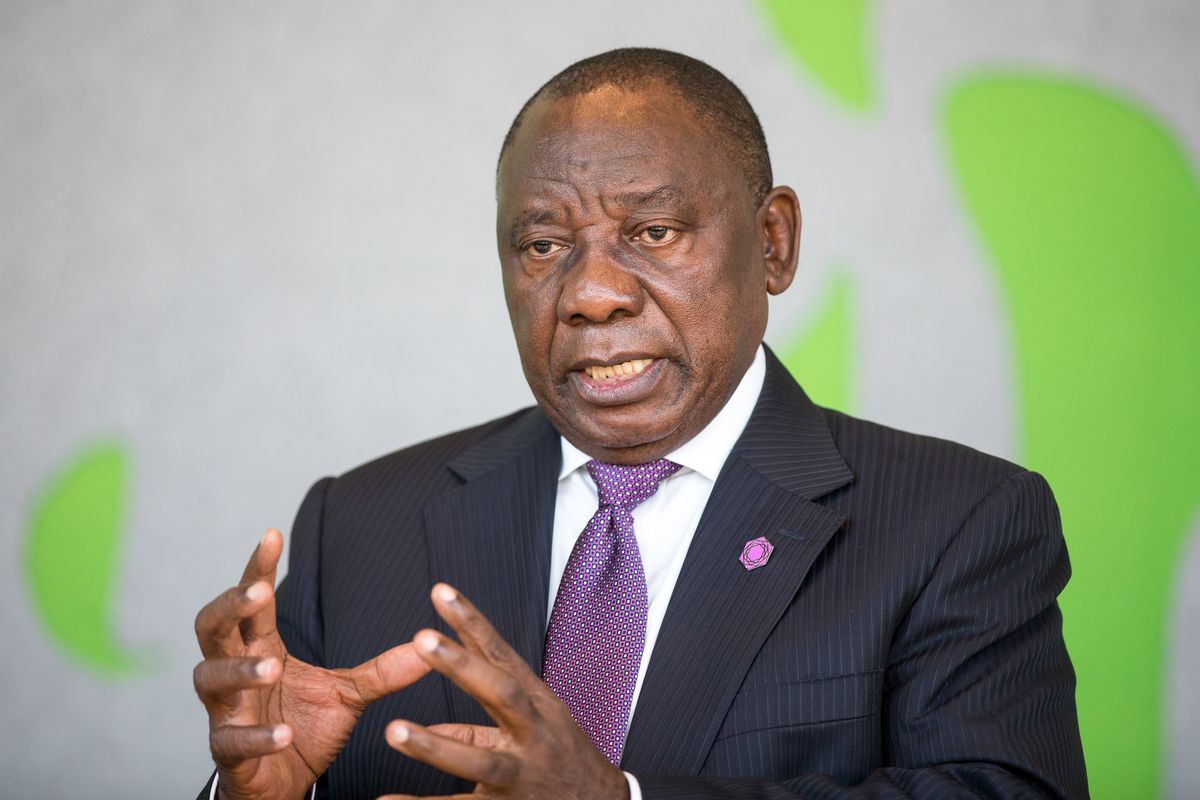
President Cyril Ramaphosa has expressed profound concern over the reported escalation of hostilities in the Middle East, urging all parties to exercise maximum restraint and recommit to diplomatic engagement in line with international law.
In a statement issued by the South African Presidency on 28 February, the President warned that rising tensions in the region pose a serious threat to both regional stability and global peace and security. The statement underscored the potentially far reaching humanitarian, diplomatic and economic consequences of further escalation.
According to a report published by Xinhua, Israel and the United States launched joint attacks on Tehran and several other Iranian cities on Saturday morning, with Iran reportedly responding through missile and drone strikes targeting Israel and United States bases in the region. At the time of publication, these developments had been reported by Xinhua and had not yet been independently corroborated by other major international news agencies.




President Ramaphosa called on all actors to act in accordance with the Charter of the United Nations and the principles of international humanitarian law. He reiterated South Africa’s longstanding position that sustainable peace cannot be achieved through military means where the underlying causes of conflict are political in nature.
“We urge the international community, including multilateral institutions and regional partners, to redouble efforts aimed at promoting mediation and peaceful resolution,” the President said.
South Africa’s position reflects its broader foreign policy orientation, which has consistently prioritised negotiated settlements, multilateral engagement and respect for sovereignty. Drawing on its own transition from apartheid through dialogue and reconciliation, the country has often framed its international interventions within an ethos of negotiated compromise rather than coercive intervention.
From a pan African perspective, Pretoria’s call resonates with continental commitments to peaceful conflict resolution as articulated by the African Union and its Peace and Security architecture. African states have frequently emphasised the interconnectedness of global security, economic stability and development, particularly in regions where conflict can reverberate through energy markets, food systems and migration flows that directly affect African economies.
The Presidency’s statement did not assign blame but emphasised the imperative of de escalation and meaningful negotiations. By foregrounding adherence to international norms and collective mediation, South Africa situates itself within a broader Global South discourse that seeks to humanise the consequences of conflict while resisting reductive geopolitical binaries.
As developments unfold, South Africa’s diplomatic stance highlights the enduring relevance of multilateralism at a time of heightened geopolitical fragmentation. Whether such appeals translate into tangible de escalation will depend on the willingness of regional and global actors to privilege dialogue over confrontation.