Botswana Oil Limited has rejected assertions that it received substandard fuel imported through Namibia, as scrutiny over regional fuel quality assurance processes brings renewed attention to cross border energy governance in Southern Africa.
Botswana Oil Limited stated that no off specification fuel entered its storage facilities or downstream supply chain following concerns raised over consignments of unleaded petrol 95 sourced via the Walvis Bay corridor. The company indicated that routine screening procedures identified potential irregularities in early January relating to several truckloads collected from storage linked to a consignment discharged at Walvis Bay. In accordance with internal compliance protocols, the product was isolated pending further verification.
As the state owned entity mandated with fuel procurement and the management of strategic reserves in Botswana, Botswana Oil Limited confirmed that samples were dispatched to an accredited laboratory in South Africa for independent analysis. The company maintains that only products verified as meeting required specifications were accepted into storage and distribution. It further stated that the Ministry of Minerals and Energy and the Botswana Energy Regulatory Authority were notified as a precautionary measure.



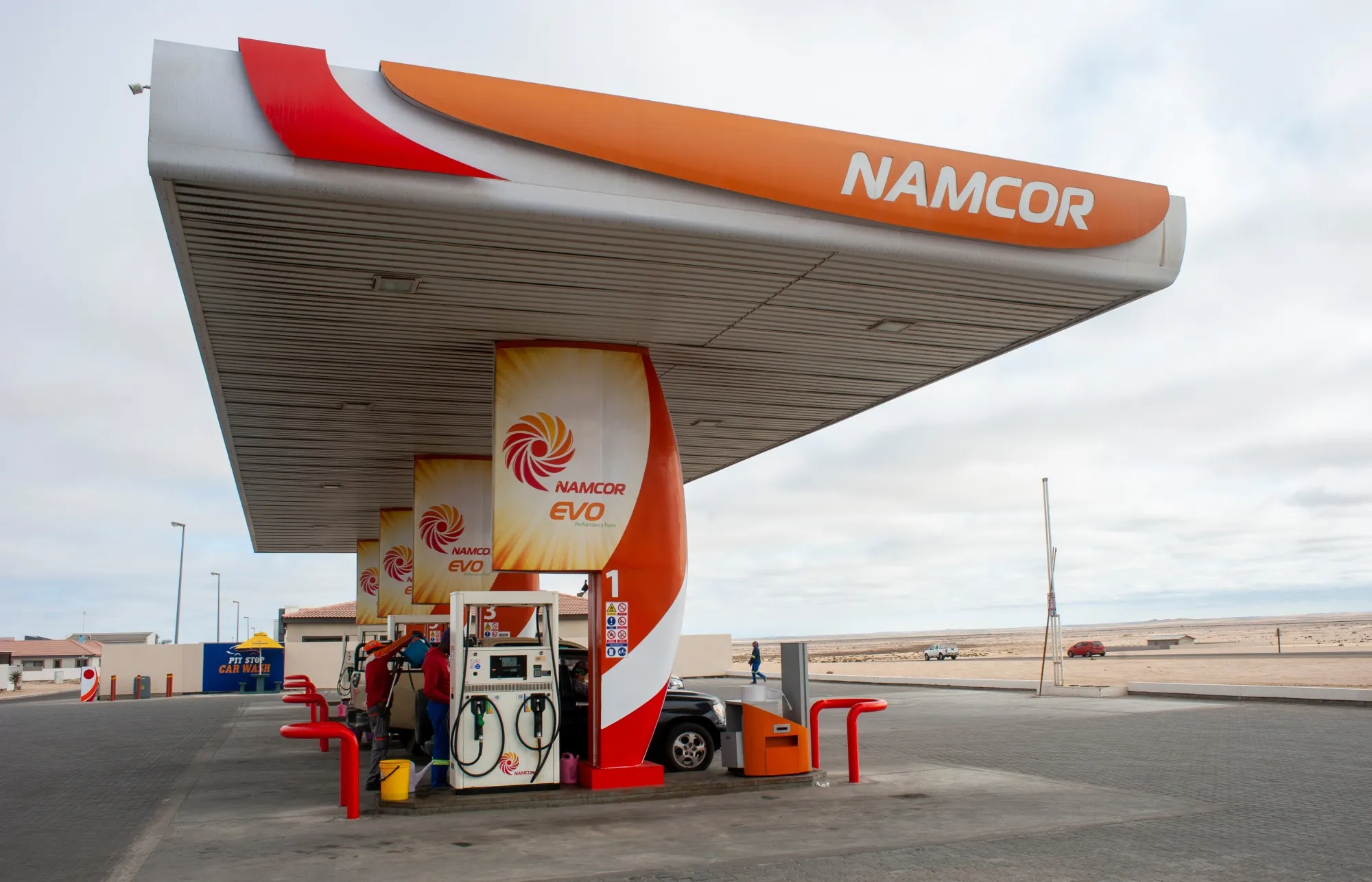
Namibia’s National Petroleum Corporation, Namcor, also rejected claims that it supplied substandard fuel. The corporation indicated that the transaction in question involved an international trading house and that procurement arrangements did not constitute a direct supply contract between Namcor and Botswana Oil Limited.
The consignment under discussion was reportedly associated with cargo discharged from the tanker MT Zahra at the Walvis Bay terminal in early January. A subsequent tanker, MT Ulysses I, was reported to have met all required specifications upon testing. Namcor representatives indicated that quality certification documentation had been received prior to discharge and that standard sampling and testing procedures were conducted in accordance with regulatory requirements. It was further noted that other clients supplied from the same cargo had not reported performance concerns.

Officials also observed that definitive octane rating verification equipment is not currently available domestically in either Namibia or Botswana. Samples requiring confirmatory testing are therefore sent to specialised laboratories outside the two countries, including facilities operated by Intertek in Durban. This reliance on external laboratory infrastructure reflects broader patterns of technical interdependence within the Southern African fuel supply chain.
The reference to Vitol, a global energy trading company with operations across Africa, introduces an additional commercial dimension. Vitol’s downstream distribution presence in several African markets operates through entities such as Vivo Energy. The interconnected roles of national oil companies, international traders and regional distributors illustrate the structural complexity of petroleum procurement in land linked economies.
Walvis Bay serves as a strategic maritime gateway for Namibia, Botswana and other neighbouring states. Fuel imported through this corridor moves through multiple custodial, regulatory and logistical stages before reaching retail outlets. In such a system, preliminary screening anomalies do not in themselves constitute confirmation of non compliance, but they do highlight the importance of coordinated oversight and transparent reporting.
From a regulatory standpoint, both Botswana and Namibia operate within national standards frameworks aligned with international petroleum product specifications. Strengthening domestic and regional laboratory capacity has been identified by continental energy stakeholders as a priority area for enhancing energy security, consumer protection and technical sovereignty.
At the time of writing, no formal finding has been issued indicating that off specification fuel entered the retail market in Botswana. Both Botswana Oil Limited and Namcor have articulated their positions through formal statements referencing documented testing and verification procedures. No substantiated evidence of consumer harm has been publicly presented.
Beyond the immediate commercial and regulatory implications, the episode underscores the evolving institutional landscape of African energy governance. Southern Africa’s petroleum supply chains are characterised by cross border infrastructure sharing, international trading relationships and layered regulatory systems. In this context, quality assurance is not solely a national matter but part of a regional framework that requires coordination, technical competence and accountability.
As regional integration deepens under the Southern African Development Community framework, the integrity of shared logistics corridors such as Walvis Bay will remain central to economic stability. Transparent communication, technical rigour and cooperative regulation continue to be essential in sustaining public confidence in supply chains that connect ports, pipelines and communities across Southern Africa.