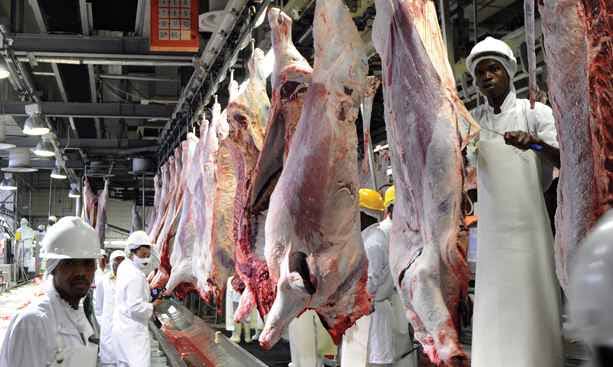
The United Kingdom has imposed a temporary restriction on imports of fresh bovine meat from Botswana following confirmation of a foot and mouth disease outbreak in the country’s North East District. The measure, announced by the UK Department for Environment, Food and Rural Affairs on 4 February 2026, applies to fresh beef processed on or after 30 December 2025.
According to statements attributed to UK authorities, the restriction will remain in place pending clarification of the extent of the outbreak. The precautionary approach reflects established sanitary and phytosanitary safeguards designed to protect animal health within Great Britain. The United Kingdom operates import controls in accordance with domestic legislation and international animal health standards, including those developed under the framework of the World Organisation for Animal Health.
Botswana’s Ministry of Lands and Agriculture confirmed the outbreak in an official Government Gazette notice dated 2 February 2026. The disease was identified in Jackalas No. 1 Village in the North East District. Two additional suspected cases were recorded in Kgari and Moroka within an adjacent disease control zone. Authorities announced that vaccination campaigns would begin on 3 February 2026 in Disease Control Zones 6B and 3C in an effort to contain the spread.



Botswana has long maintained a zoning system to manage animal health risks and protect export eligibility. Disease control zones are central to maintaining access to premium markets, including the United Kingdom and the European Union. While the current restriction concerns fresh bovine meat, the longer term implications will depend on the speed and effectiveness of containment measures and subsequent verification processes undertaken by veterinary authorities.
The United Kingdom remains an important export destination for Botswana’s beef sector, which has historically been recognised for adherence to international traceability and disease control protocols. Market access is contingent on compliance with importing country requirements, including residue control programmes and establishment approvals.
The outbreak has also drawn attention to wider regional animal health dynamics. Foot and mouth disease remains endemic in parts of southern Africa, and periodic outbreaks underscore the structural challenges of cross border livestock movement, wildlife interfaces, and vaccine supply constraints. In neighbouring South Africa, recurring outbreaks have prompted debate over preparedness and vaccine availability. Reports of tensions between veterinary professionals and policymakers reflect broader pressures on national animal health systems.
Namibia, which depends on South Africa for certain veterinary inputs including vaccines, faces indirect exposure to regional disruptions. As a participant in the southern African red meat economy and a net importer of some livestock products from South Africa, Namibia’s industry operates within an interconnected regional framework in which disease events in one jurisdiction may have ripple effects across borders.

From a continental perspective, the development highlights the delicate balance African livestock producing countries must maintain between safeguarding domestic animal health and meeting the evolving regulatory requirements of international markets. It also underscores the importance of sustained investment in veterinary infrastructure, regional coordination, and transparent disease reporting mechanisms.
Botswana authorities have indicated that containment measures are under way and that engagement with international partners is continuing. The restoration of market access will likely depend on epidemiological assessments, vaccination outcomes, and verification procedures consistent with international animal health standards.

While trade restrictions of this nature are not uncommon in the context of transboundary animal diseases, their economic and social implications can be significant, particularly for rural communities whose livelihoods depend on livestock production. The coming weeks will therefore be critical in determining both the trajectory of the outbreak and the timeline for potential reopening of export channels.
The situation serves as a reminder that livestock health in southern Africa is not solely a national issue but a regional and global concern shaped by ecology, trade frameworks, and shared veterinary capacity.