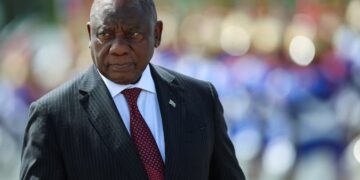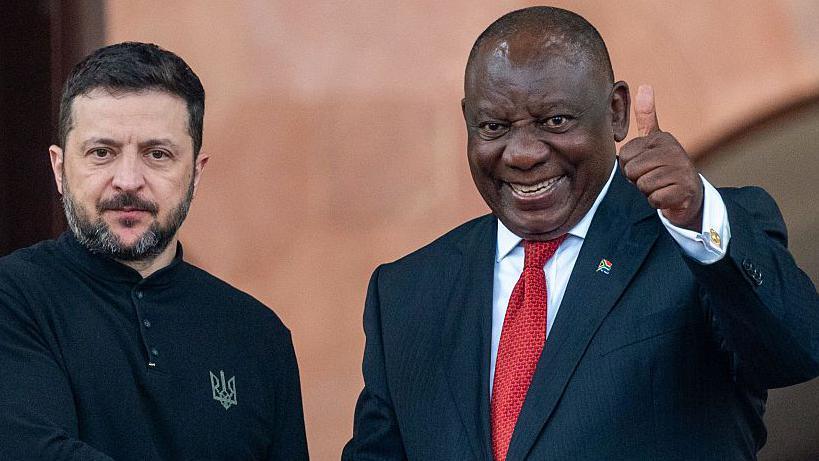
In a reaffirmation of South Africa’s longstanding diplomatic ethos, President Cyril Ramaphosa has reiterated the nation’s commitment to supporting peaceful negotiations as the only sustainable pathway towards resolving the ongoing Russia Ukraine conflict. The statement, issued by the South African Presidency, followed a telephone conversation between President Ramaphosa and Russian President Vladimir Putin on Tuesday.
President Putin reportedly briefed his South African counterpart on recent developments within the context of the Ukraine situation, highlighting what Russia maintains is its continued interest in pursuing a diplomatic settlement to the protracted crisis. President Ramaphosa, in response, reiterated South Africa’s principled position which favours constructive dialogue over confrontation. This stance is consistent with South Africa’s historical alignment with negotiated settlements and non alignment in global conflicts that lack direct continental implication, positioning diplomacy as a cornerstone of its international relations strategy.
The leaders also engaged on matters of bilateral cooperation. President Ramaphosa expressed support for expanding trade and investment between South Africa and the Russian Federation, under the existing Comprehensive Strategic Partnership, which was reaffirmed in earlier high-level visits. Discussions also touched on mechanisms for enhancing collaboration through multilateral platforms including BRICS and the Group of 20 (G20), where both countries are active participants.




The BRICS framework continues to evolve as a counterweight to unipolar global structures and offers a platform where African perspectives are amplified within global economic and political discourses. South Africa’s engagement within BRICS, and with Russia specifically, aligns with its broader foreign policy objectives to promote south-south cooperation and foster inclusive global governance.
President Ramaphosa’s reiteration of diplomacy underscores Pretoria’s ongoing resistance to reductive binaries that often dominate external interpretations of global conflicts. Instead, the emphasis remains on sovereignty, mutual respect and a rules based international order grounded in the United Nations Charter. This principled neutrality does not denote indifference but reflects a considered approach that prioritises global peace without forfeiting African agency.
Amid shifting global alliances and a rapidly transforming geopolitical landscape, South Africa’s position affirms the necessity of African states asserting independent, balanced foreign policies. Rather than yielding to geopolitical pressures from dominant powers, the continent’s diplomatic posture increasingly reflects a deeper investment in multipolar engagement, economic resilience and the redefinition of global partnerships on more equitable terms.
As the conflict in Ukraine continues to have ramifications for energy, food security and multilateral cooperation worldwide, African states, including South Africa, are navigating these complexities with strategic caution. The continued call for peace through dialogue remains an imperative not only for the directly involved parties but for the broader international community whose stability and prosperity are interlinked.