Friday, April 17, 2026
  • Login
The Southern African Times
  • Home
  • Southern Africa
  • Business
    • African Start ups
    • African Continental Free Trade Area
  • Technology
    • Lifestyle
      • Health
      • Culture
      • Food and Drink
      • Entertainment
  • Opinion
  • Sports
  • SAT Jobs
    • Events
  • About Us
    • Advertise with Us
    • Contact Us
No Result
View All Result
  • Home
  • Southern Africa
  • Business
    • African Start ups
    • African Continental Free Trade Area
  • Technology
    • Lifestyle
      • Health
      • Culture
      • Food and Drink
      • Entertainment
  • Opinion
  • Sports
  • SAT Jobs
    • Events
  • About Us
    • Advertise with Us
    • Contact Us
No Result
View All Result
The Southern African Times
No Result
View All Result
Home in Southern Africa

Zimbabwe Moves to Extend Presidential Terms as Governance Reform Sparks Democratic Debate

by SAT Reporter
February 11, 2026
in in Southern Africa, Zimbabwe
0
Zimbabwe Moves to Extend Presidential Terms as Governance Reform Sparks Democratic Debate

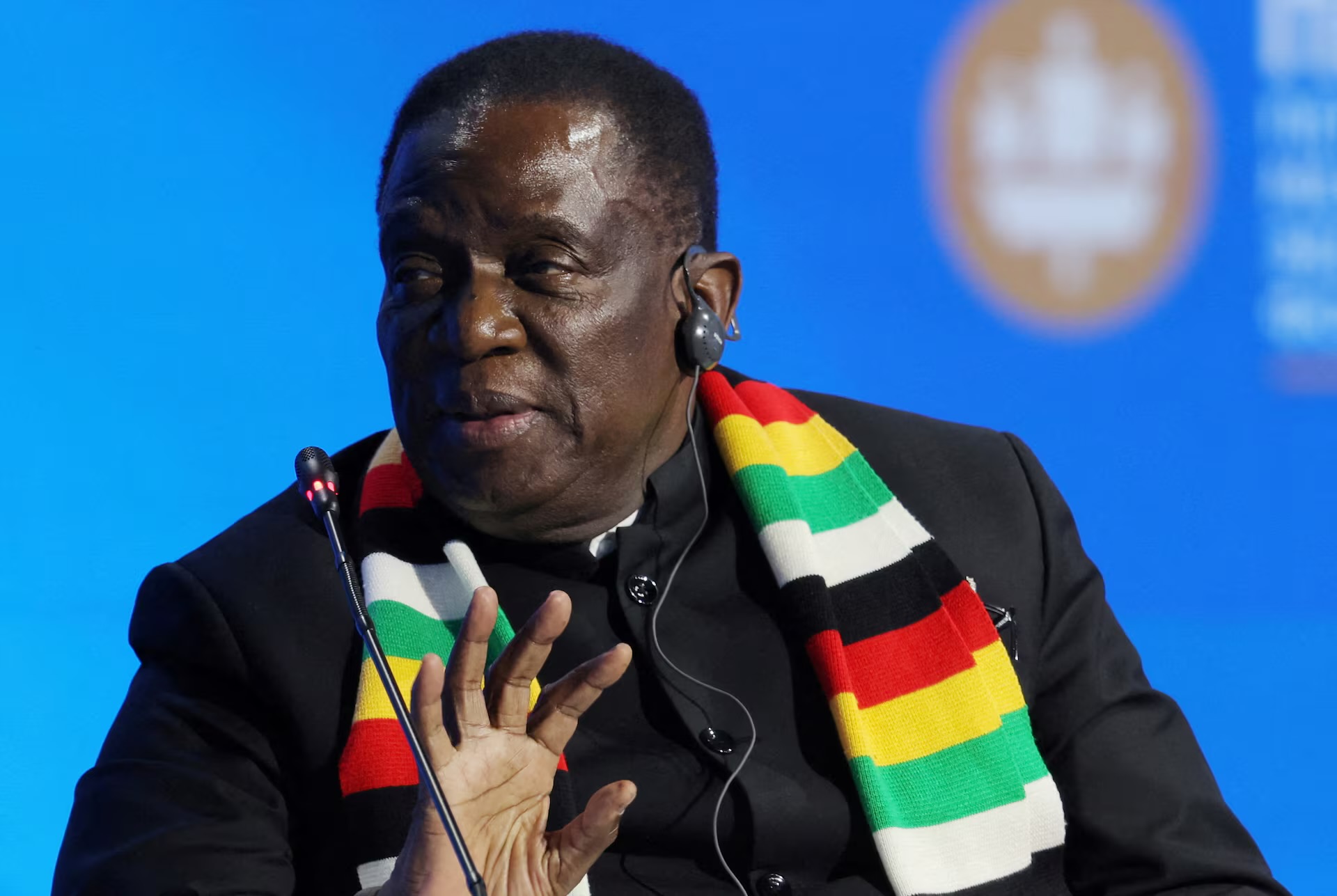
The Zimbabwean Cabinet has endorsed a constitutional amendment that seeks to extend presidential and parliamentary terms from five to seven years, igniting a national and regional conversation around governance, democratic practice and the evolving meaning of constitutionalism in Africa.

The proposed legislation, titled the Constitutional Amendment Number 3 Bill of 2026, was announced this week by Minister of Information Jenfan Muswere following a Cabinet briefing. The government maintains that the measure aims to reduce the frequency of elections, ensure policy continuity, and align Zimbabwe’s governance architecture with what it described as resilient models from across the continent.

Minister of Justice Ziyambi Ziyambi, who also addressed the media, confirmed that the bill will now be gazetted and subjected to a 90-day public consultation process before formal debate in Parliament. He emphasised that public engagement remains central to the legislative process.


ADVERTISEMENT

The stated rationale is political continuity, institutional stability and economic progress. It is a narrative increasingly heard across African capitals where leaders face the challenge of balancing development imperatives with constitutional commitments. Yet while the government insists the amendment will strengthen governance efficiency, critics raise concerns that it may undermine Zimbabwe’s democratic foundations.

Legal scholars and observers point to a pattern within the region where such constitutional reforms are introduced under the banner of reform but often result in the consolidation of executive power. While longer terms might ease electoral pressures and allow for the uninterrupted implementation of policies, they also reduce the frequency of political accountability and risk dulling the responsiveness of institutions.

Zimbabwe’s 2013 Constitution, which was shaped through a wide-ranging public consultative process, deliberately set five-year terms to promote leadership renewal and protect against political inertia. Changing that arrangement, experts note, cannot be assessed solely on procedural compliance but must also consider its potential to alter the balance of power within the state.

Comparative studies of governance in Africa reveal that while some countries have pursued extended terms with apparent stability, others have experienced democratic backsliding following similar reforms. In several jurisdictions, initial promises of reform have given way to weakened checks and balances and diminished public trust in political institutions.

Zimbabwe’s own political history adds a layer of sensitivity to this proposal. After enduring decades of polarised politics, economic turmoil and disputed elections, the nation has slowly rebuilt a constitutional order premised on inclusivity and democratic safeguards. Whether the proposed amendment represents a natural evolution of governance or a reversal of hard-won gains remains subject to debate.

Legal commentators also highlight that although the process includes public consultations, these must be genuinely participatory and transparent. The quality of public discourse, they argue, will determine whether the amendment reflects the will of the people or the preferences of the executive.

The conversation also touches on a broader continental shift. Many African states are seeking to reimagine constitutional frameworks beyond inherited colonial templates. While such a transition can foster context-specific innovations, it also brings with it the risk of reinforcing dominant power structures if not carefully managed.

Zimbabwe’s proposal is being closely watched within and beyond its borders. It raises fundamental questions about the future of democratic governance in the region and the degree to which constitutional change can remain faithful to its founding purpose — to serve the people and safeguard their voice.

As the bill moves through the formal stages of lawmaking, its broader implications will be defined not only by the vote in Parliament but by the national conversation it triggers and the collective memory of a country still negotiating the meaning of democracy and state legitimacy.

Tags: African governanceconstitutional reformdemocracy in Africademocratic accountabilitygovernance reformlegal analysispolitical stabilitypresidential term extensionZimbabweZimbabwean politics
Previous Post

Germany Aligns Africa Strategy With Trade, Energy and Skills Needs

Next Post

Ethiopian Airlines Reports $4.4 Billion Revenue in Six Months

SAT Reporter

Related Posts

Julius Malema Sentenced to Five Years in Firearm discharge case
South Africa

Julius Malema Sentenced to Five Years in Firearm discharge case

by Leo Muzivoreva
April 16, 2026
Namibia Reports Significant Decline in Wildlife Crime Following Intensified Enforcement
Conservation

Namibia Reports Significant Decline in Wildlife Crime Following Intensified Enforcement

by SAT Reporter
April 12, 2026
Zambia Maintains Fertiliser Stability Despite Global Disruptions
in Southern Africa

Zambia Maintains Fertiliser Stability Despite Global Disruptions

by SAT Reporter
April 12, 2026
4,496 South Africans Admitted as US Refugees in Six Months
in Southern Africa

4,496 South Africans Admitted as US Refugees in Six Months

by SAT Reporter
April 12, 2026
Flooding Halts Rail Traffic Along Angola’s Lobito Corridor
Angola

Flooding Halts Rail Traffic Along Angola’s Lobito Corridor

by SAT Reporter
April 12, 2026
Next Post
Ethiopian Airlines Reports $4.4 Billion Revenue in Six Months

Ethiopian Airlines Reports $4.4 Billion Revenue in Six Months

Browse by Category

  • Africa AI
  • African Continental Free Trade Area
  • African Debt
  • African Start ups
  • Agriculture
  • AI Africa
  • Algeria
  • All News
  • Analysis
  • Angola
  • Arts / Culture
  • Asia
  • Botswana
  • BOTSWANA
  • BREAKING NEWS
  • BRICS
  • Burkina Faso
  • Burundi
  • Business
  • Business
  • Business Wire
  • Cameroon
  • Central Africa
  • Chad
  • China
  • Climate Change
  • Climate Changev
  • Community
  • Congo Republic
  • Conservation
  • Côte d’Ivoire
  • COVID 19
  • CRYPTOCURRENCY
  • Culture
  • Democratic Republic of Congo
  • Diplomacy
  • Eastern Africa
  • Economic Development
  • Economy
  • Education
  • Egypt
  • Elections 2024
  • Energy
  • Entertainment
  • Environment
  • Eritrea
  • Ethiopia
  • Europe
  • Fashion
  • Feature
  • Finance
  • Financial Inclusion
  • Food
  • Food and Drink
  • Foods
  • GABON
  • Ghana
  • Global
  • Global Africa
  • Guinea
  • Health
  • Immigration
  • in Southern Africa
  • International news
  • International Relations
  • Ivory Coast
  • Just In
  • Kenya
  • Lesotho
  • Libya
  • Life Style
  • Lifestyle
  • Literature
  • Malawi
  • Malawi
  • Mali
  • Markets
  • Mauritius
  • Middle East
  • Mining in Africa
  • Morocco
  • Mozambique
  • Namibia
  • niger
  • Niger
  • Nigeria
  • North Africa
  • North-Eastern Africa
  • Obituaries
  • Obituary
  • Opinion
  • PARTNER CONTENT
  • Politics
  • Property
  • Racism
  • Rwanda
  • Rwanda
  • SADC
  • SAT Interviews
  • SAT Investigation
  • SAT Jobs
  • Saudi Arabia
  • Senegal
  • Seychelles
  • South Africa
  • South Sudan
  • Sports
  • Startup Africa
  • STOCK EXCHANGE
  • Sudan
  • Sustainability
  • Sustainablity
  • Tanzania
  • Technology
  • Telecommunications
  • The Editorial Board
  • The Power Of She
  • Togo
  • Trade
  • Travel
  • Travel
  • Tunisia
  • Uganda
  • Uncategorized
  • Wealth
  • West Africa
  • World
  • World
  • ZAMBIA
  • Zambia
  • ZIMBABWE
  • Zimbabwe

Browse by Tags

#NewsUpdate #SouthAfrica #SouthernAfricanTimes #TheSouthernAfricanTimes AfCFTA africa African Continental Free Trade Area African development African Development Bank African economies African economy African Union Agriculture Angola Botswana Business China Climate change Cyril Ramaphosa Economic Development economic growth energy transition fiscal policy food security industrialisation Inflation Infrastructure Development International relations Investment Kenya Mozambique Namibia news Nigeria Regional Integration renewable energy Rwanda SADC South Africa Southern Africa sustainable development Tanzania United States Zambia Zimbabwe
ADVERTISEMENT

WHO WE ARE

The Southern African Times is a regional bloc digital newspaper that covers Southern African and world news. The paper also gives a nuanced analysis on news and covers a wide range of reporting which include sports, entertainment, foreign affairs, arts and culture.

Welcome Back!

Login to your account below

Forgotten Password?

Retrieve your password

Please enter your username or email address to reset your password.

Log In

  • Home
  • Southern Africa
  • Business
    • African Start ups
    • African Continental Free Trade Area
  • Technology
    • Lifestyle
      • Health
      • Culture
      • Food and Drink
      • Entertainment
  • Opinion
  • Sports
  • SAT Jobs
    • Events
  • About Us
    • Advertise with Us
    • Contact Us
Are you sure want to unlock this post?
Unlock left : 0
Are you sure want to cancel subscription?