Zambia has set an ambitious target to nearly triple its electricity generation capacity by the end of this decade as part of a broader effort to align energy supply with industrial and agricultural expansion and with deeper economic integration across southern Africa.
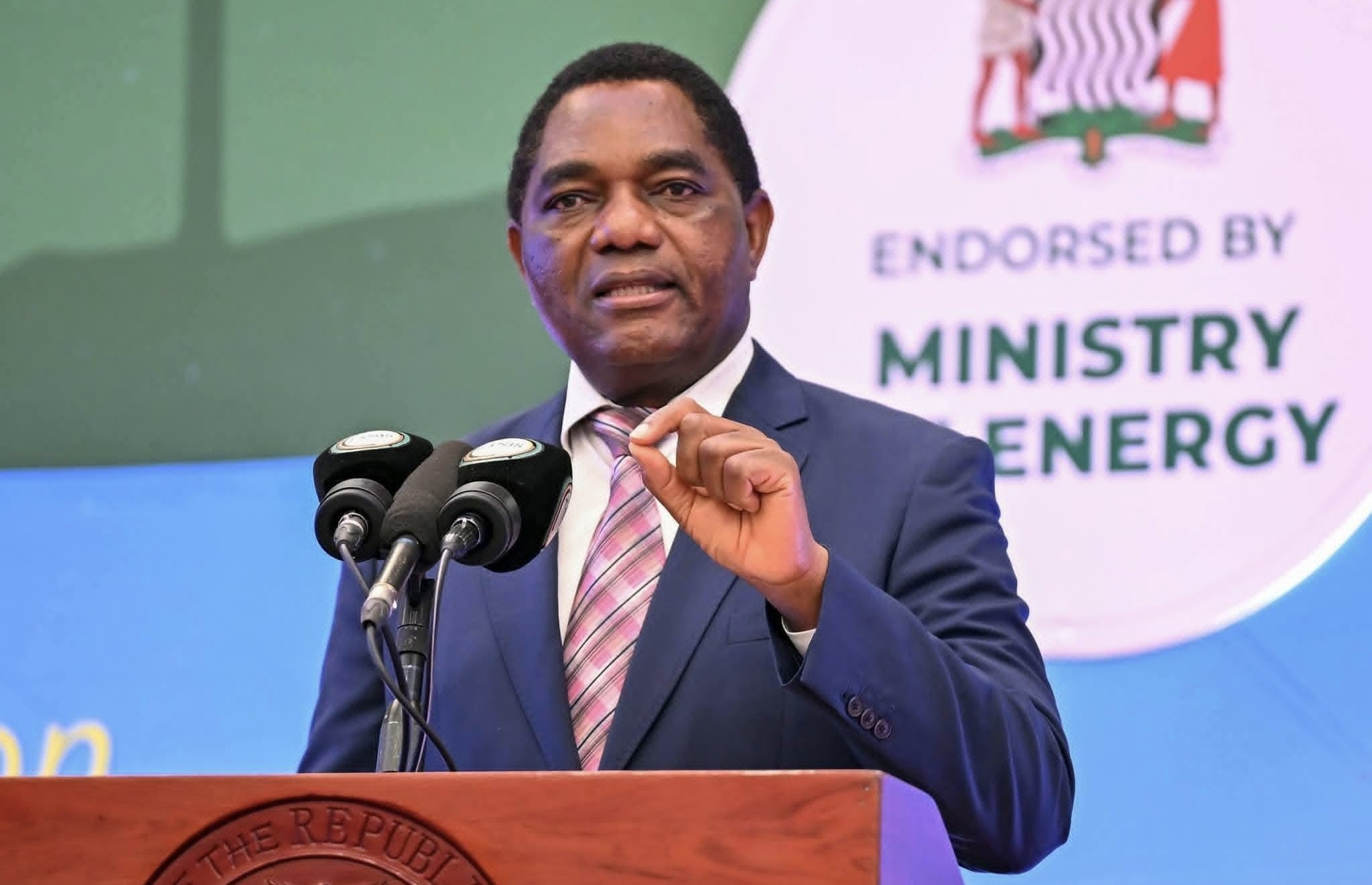
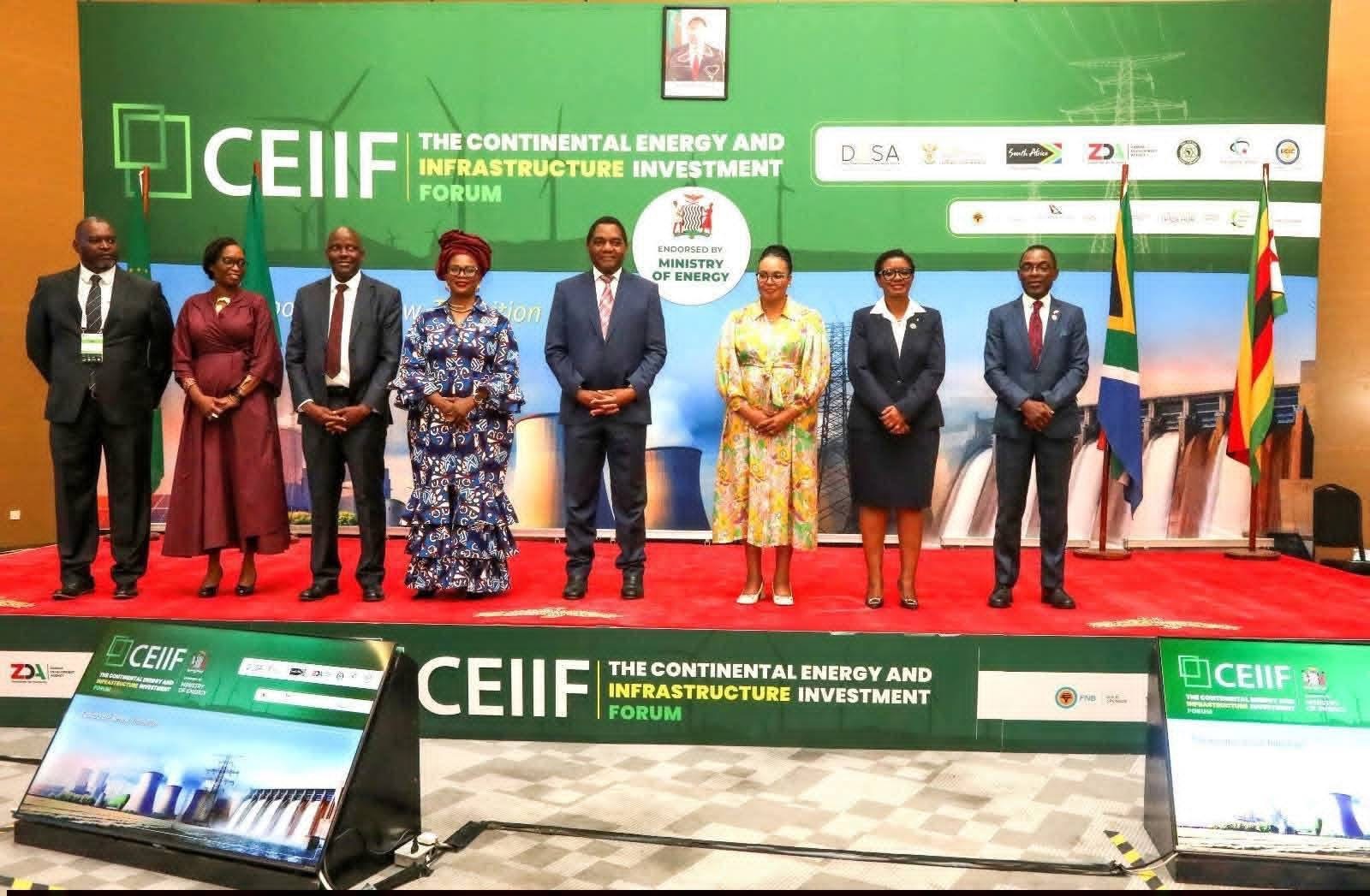
President Hakainde Hichilema told participants at the Continental Energy and Infrastructure Investment Forum in Lusaka that the government aims to raise installed generation capacity from around 3500 megawatts to 10000 megawatts by 2030. The forum which runs in Lusaka from 2 to 5 February brings together policy makers regulators utilities financiers and private investors from across the continent to consider practical options for expanding infrastructure and advancing an energy transition shaped by African priorities.
According to the president the proposed expansion is closely tied to Zambia’s wider economic objectives. Government plans indicate a target of about three million metric tonnes of annual copper production by 2031 alongside an ambition to reach around ten million metric tonnes of maize output per year by 2030. Both goals are expected to place greater pressure on power supply given the energy intensive nature of mining processing and modern agriculture.



The administration has framed electricity as a foundational enabler of broader development rather than as a stand alone sector. Copper remains central to Zambia’s foreign exchange earnings and is also increasingly viewed through the lens of global demand for the minerals needed in low carbon technologies. Maize by contrast is central to national food security and rural livelihoods. Ensuring reliable affordable power for these sectors alongside households and small enterprises is therefore a key dimension of the country’s development planning.

President Hichilema outlined an energy mix that combines established and emerging sources. Government projections suggest that about 3000 megawatts of new capacity is expected from coal with the remaining additional capacity to be derived from hydropower and other sources such as solar. Hydropower continues to be Zambia’s primary source of electricity reflecting its long standing reliance on major schemes on the Zambezi and Kafue rivers and other waterways. At the same time the authorities have indicated a growing interest in grid connected solar projects and decentralised systems particularly in rural areas where grid access remains uneven.

This approach reflects a wider regional pattern in which southern African states are seeking to balance short and medium term energy security with longer term climate and environmental commitments. Coal remains part of the regional energy landscape and some governments regard it as a means of providing baseload capacity while new hydropower and variable renewable energy projects are developed. Zambia’s plans therefore sit within an evolving regional debate on how best to secure reliable power while limiting environmental impacts and strengthening resilience to climate variability that affects hydrological systems.
Minister of Energy Makozo Chikote stated that expanding generation capacity and associated infrastructure will require in the region of 11 billion United States dollars in new investment. This figure covers not only generation assets but also transmission lines and related grid infrastructure. The government intends to increase the national transmission network from an estimated 12700 kilometres to about 17700 kilometres in order to convey power from new and existing plants to demand centres. According to the minister the authorities also plan significant inter grid connection initiatives to strengthen links with all neighbouring states.
These interconnections are relevant not only to Zambia’s domestic objectives but also to the functioning of the Southern African Power Pool. By reinforcing cross border lines and harmonising technical standards countries across the region aim to trade power more effectively manage surpluses and deficits and respond more flexibly to droughts or other shocks that may affect specific generation sources. In that sense Zambia’s strategy is being designed with a regional perspective that recognises the interdependence of national grids and markets.
The Continental Energy and Infrastructure Investment Forum itself forms part of a wider continental effort to convene African stakeholders around energy and infrastructure choices that reflect local realities and priorities. Participants include development finance institutions commercial lenders project developers regional bodies and civil society actors. Discussions at the forum are focused on mobilising capital for energy and transport infrastructure and on aligning national policies with cross border initiatives that can support trade and industrialisation.
Zambia’s power sector plans also intersect with debates about affordability access and equity within African societies. While expanding megawatt capacity can bolster investment prospects and industrial output there is also an ongoing discussion about how new infrastructure can be structured to improve access for low income and marginalised communities. Rural electrification and the affordability of tariffs for both households and small enterprises remain central questions for decision makers and regulators across the region.
In this context an African centred perspective emphasises that energy infrastructure is not only about supply and demand statistics but also about how power systems shape everyday life. For many communities access to electricity can influence educational opportunities health outcomes and the ability of small producers to move beyond subsistence. By situating energy policy within wider social and economic realities governments and regional institutions seek to ensure that large scale investments translate into tangible improvements in human development.
At the same time the role of external finance and technology is being reconsidered from a standpoint that prioritises African agency. Engagements with global investors and partners increasingly focus on arrangements that seek to align external capital with national and regional agendas rather than reproducing extractive patterns. Zambia’s focus on linking electricity expansion with value addition in mining and agriculture is one reflection of this wider rethinking of development pathways on the continent.

As discussions continue in Lusaka stakeholders are examining how power sector investments can be structured to manage risk share benefits and support domestic capacity building. Issues under consideration include regulatory stability currency risk local content requirements environmental and social safeguards and community participation in decision making. While perspectives differ on the optimal balance between state and private roles there is broad recognition that durable solutions will depend on collaborative approaches grounded in local knowledge.
For Zambia the move towards 10000 megawatts of generation capacity and an expanded transmission network represents both an infrastructural and a political choice. It is a decision to position electricity as a cornerstone of economic transformation and regional integration and to seek solutions that draw on a diversity of energy sources. The outcome will likely influence not only the country’s industrial and agricultural prospects but also its contribution to a more interconnected and mutually supportive power system in southern Africa.