Friday, April 17, 2026
  • Login
The Southern African Times
  • Home
  • Southern Africa
  • Business
    • African Start ups
    • African Continental Free Trade Area
  • Technology
    • Lifestyle
      • Health
      • Culture
      • Food and Drink
      • Entertainment
  • Opinion
  • Sports
  • SAT Jobs
    • Events
  • About Us
    • Advertise with Us
    • Contact Us
No Result
View All Result
  • Home
  • Southern Africa
  • Business
    • African Start ups
    • African Continental Free Trade Area
  • Technology
    • Lifestyle
      • Health
      • Culture
      • Food and Drink
      • Entertainment
  • Opinion
  • Sports
  • SAT Jobs
    • Events
  • About Us
    • Advertise with Us
    • Contact Us
No Result
View All Result
The Southern African Times
No Result
View All Result
Home in Southern Africa Democratic Republic of Congo

Over 200 Feared Dead in Coltan Mine Collapse in Eastern DR Congo

by SAT Reporter
January 31, 2026
in Democratic Republic of Congo, in Southern Africa
0
Over 200 Feared Dead in Coltan Mine Collapse in Eastern DR Congo

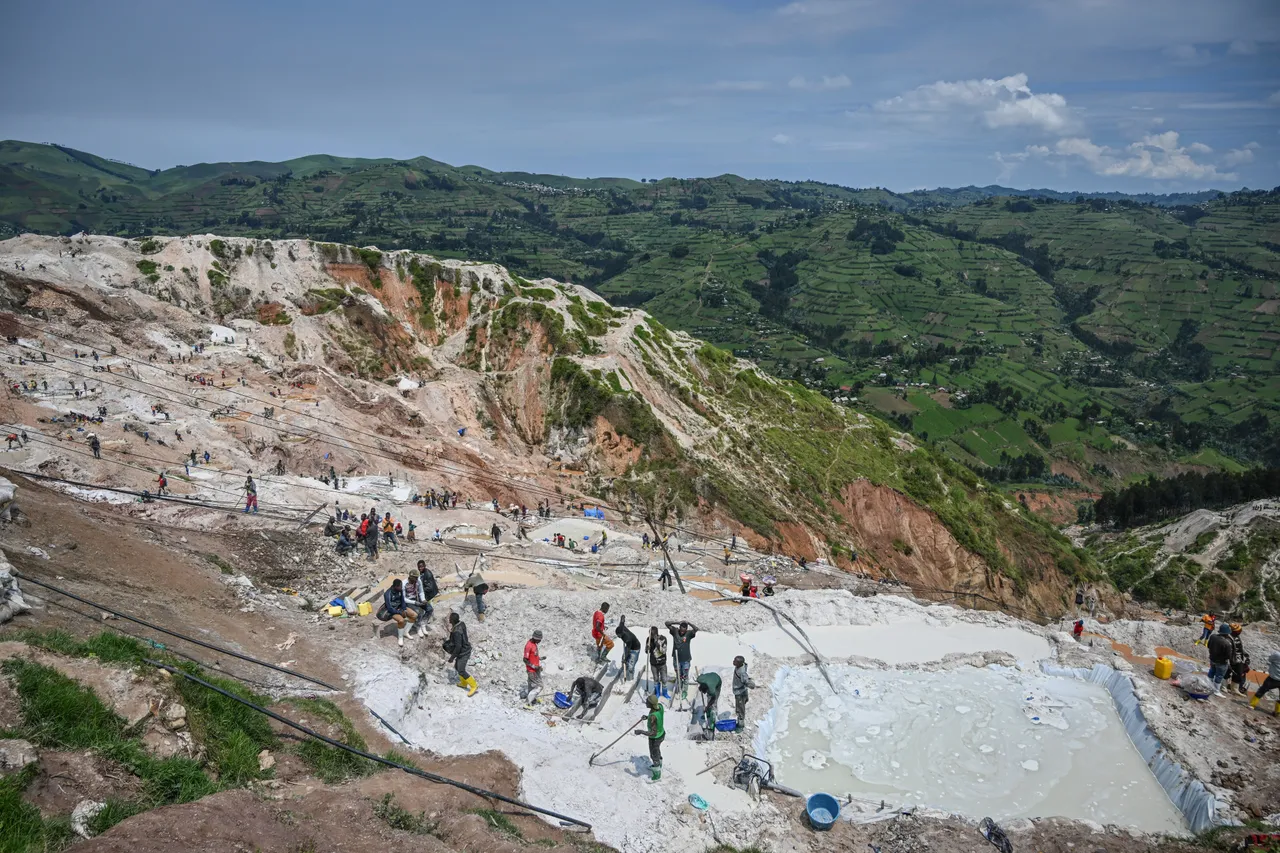
Reports emerging from North Kivu province in the eastern Democratic Republic of the Congo indicate that more than 200 individuals are feared to have died in a tragic mining collapse at the Rubaya coltan site. The incident reportedly occurred earlier this week within an area currently under the control of the March 23 Movement, commonly referred to as M23, a non-state armed group that has held sway over parts of the province since a resurgence of hostilities in late 2021.

The exact number of casualties remains unverified at this time. However, local sources and regional media citing M23-appointed representatives have suggested the figure may exceed 200. Rescue efforts have led to the retrieval of several survivors, who have been transported to local health facilities for urgent medical treatment.

Rubaya, situated in Masisi territory, is globally recognised for its significant coltan deposits. Coltan, a vital mineral in the global production of electronic components such as capacitors found in smartphones, laptops and electric vehicles, has become emblematic of both promise and peril in the region’s extractive economies. According to data from the United States Geological Survey, the DRC remains among the world’s top producers of tantalum-bearing ores, much of it derived through artisanal and small-scale mining.


ADVERTISEMENT

The incident has brought renewed scrutiny to the conditions under which thousands of Congolese miners operate. Many of these workers extract minerals under hazardous, unregulated circumstances, often lacking basic safety measures, labour protections or state oversight. According to Global Witness, these risks are compounded by overlapping systems of informal governance, militarised control of mining territories and limited state reach.

North Kivu, and particularly areas like Rubaya, represents a microcosm of broader structural tensions in the Great Lakes region. The region has long witnessed a complex confluence of mineral wealth, armed group activity, contested land rights and historical grievances. The presence of M23 in Rubaya has reconfigured governance dynamics, further complicating humanitarian responses and accountability mechanisms in the aftermath of such disasters.

Observers note that such incidents cannot be divorced from global consumption patterns and the international demand for critical minerals. While Western and Asian manufacturers depend on Congolese coltan, supply chain transparency remains weak, with numerous intermediary traders and ambiguous sourcing pathways obscuring accountability. Advocacy organisations have called for stronger due diligence frameworks to ensure that mineral sourcing does not exacerbate local vulnerabilities.

The Congolese government has not yet issued an official casualty report, and access to the mine site remains restricted due to security concerns. Nevertheless, the incident underscores the urgent need for coordinated interventions that address not only the physical safety of artisanal miners but also the broader political and economic architecture underpinning extractive activity in conflict-prone zones.

In the wake of this tragedy, the human cost of mineral extraction is once again foregrounded. It raises enduring questions about the extent to which the benefits of Africa’s natural wealth are equitably distributed or locally sustained. The Rubaya collapse is not merely an isolated accident; it reflects deeper, systemic challenges related to governance, territorial sovereignty and global resource dependency.

As investigations continue and the Congolese people mourn their loss, there is growing emphasis across African civil society and continental bodies for a model of development that places African lives and agency at the centre of the conversation. There is also a pressing call for enhanced collaboration between regional actors, local communities and international stakeholders to ensure that such tragedies become a thing of the past rather than an enduring feature of resource-rich but politically vulnerable spaces.

Tags: African governanceAfrican resourcesartisanal miningcoltanconflict zonesDemocratic Republic of the CongoGreat Lakes regionM23Mining SafetyNorth KivuRubaya
Previous Post

Burkina Faso Dissolves All Political Parties in Sweeping Governance Reform

Next Post

Mombasa Port Registers 10.9 Percent Growth in Cargo Throughput in 2025

SAT Reporter

Related Posts

Julius Malema Sentenced to Five Years in Firearm discharge case
South Africa

Julius Malema Sentenced to Five Years in Firearm discharge case

by Leo Muzivoreva
April 16, 2026
Namibia Reports Significant Decline in Wildlife Crime Following Intensified Enforcement
Conservation

Namibia Reports Significant Decline in Wildlife Crime Following Intensified Enforcement

by SAT Reporter
April 12, 2026
Zambia Maintains Fertiliser Stability Despite Global Disruptions
in Southern Africa

Zambia Maintains Fertiliser Stability Despite Global Disruptions

by SAT Reporter
April 12, 2026
4,496 South Africans Admitted as US Refugees in Six Months
in Southern Africa

4,496 South Africans Admitted as US Refugees in Six Months

by SAT Reporter
April 12, 2026
Flooding Halts Rail Traffic Along Angola’s Lobito Corridor
Angola

Flooding Halts Rail Traffic Along Angola’s Lobito Corridor

by SAT Reporter
April 12, 2026
Next Post
Mombasa Port Registers 10.9 Percent Growth in Cargo Throughput in 2025

Mombasa Port Registers 10.9 Percent Growth in Cargo Throughput in 2025

Browse by Category

  • Africa AI
  • African Continental Free Trade Area
  • African Debt
  • African Start ups
  • Agriculture
  • AI Africa
  • Algeria
  • All News
  • Analysis
  • Angola
  • Arts / Culture
  • Asia
  • Botswana
  • BOTSWANA
  • BREAKING NEWS
  • BRICS
  • Burkina Faso
  • Burundi
  • Business
  • Business
  • Business Wire
  • Cameroon
  • Central Africa
  • Chad
  • China
  • Climate Change
  • Climate Changev
  • Community
  • Congo Republic
  • Conservation
  • Côte d’Ivoire
  • COVID 19
  • CRYPTOCURRENCY
  • Culture
  • Democratic Republic of Congo
  • Diplomacy
  • Eastern Africa
  • Economic Development
  • Economy
  • Education
  • Egypt
  • Elections 2024
  • Energy
  • Entertainment
  • Environment
  • Eritrea
  • Ethiopia
  • Europe
  • Fashion
  • Feature
  • Finance
  • Financial Inclusion
  • Food
  • Food and Drink
  • Foods
  • GABON
  • Ghana
  • Global
  • Global Africa
  • Guinea
  • Health
  • Immigration
  • in Southern Africa
  • International news
  • International Relations
  • Ivory Coast
  • Just In
  • Kenya
  • Lesotho
  • Libya
  • Life Style
  • Lifestyle
  • Literature
  • Malawi
  • Malawi
  • Mali
  • Markets
  • Mauritius
  • Middle East
  • Mining in Africa
  • Morocco
  • Mozambique
  • Namibia
  • Niger
  • niger
  • Nigeria
  • North Africa
  • North-Eastern Africa
  • Obituaries
  • Obituary
  • Opinion
  • PARTNER CONTENT
  • Politics
  • Property
  • Racism
  • Rwanda
  • Rwanda
  • SADC
  • SAT Interviews
  • SAT Investigation
  • SAT Jobs
  • Saudi Arabia
  • Senegal
  • Seychelles
  • South Africa
  • South Sudan
  • Sports
  • Startup Africa
  • STOCK EXCHANGE
  • Sudan
  • Sustainability
  • Sustainablity
  • Tanzania
  • Technology
  • Telecommunications
  • The Editorial Board
  • The Power Of She
  • Togo
  • Trade
  • Travel
  • Travel
  • Tunisia
  • Uganda
  • Uncategorized
  • Wealth
  • West Africa
  • World
  • World
  • Zambia
  • ZAMBIA
  • ZIMBABWE
  • Zimbabwe

Browse by Tags

#NewsUpdate #SouthAfrica #SouthernAfricanTimes #TheSouthernAfricanTimes AfCFTA africa African Continental Free Trade Area African development African Development Bank African economies African economy African Union Agriculture Angola Botswana Business China Climate change Cyril Ramaphosa Economic Development economic growth energy transition fiscal policy food security industrialisation Inflation Infrastructure Development International relations Investment Kenya Mozambique Namibia news Nigeria Regional Integration renewable energy Rwanda SADC South Africa Southern Africa sustainable development Tanzania United States Zambia Zimbabwe
ADVERTISEMENT

WHO WE ARE

The Southern African Times is a regional bloc digital newspaper that covers Southern African and world news. The paper also gives a nuanced analysis on news and covers a wide range of reporting which include sports, entertainment, foreign affairs, arts and culture.

Welcome Back!

Login to your account below

Forgotten Password?

Retrieve your password

Please enter your username or email address to reset your password.

Log In

  • Home
  • Southern Africa
  • Business
    • African Start ups
    • African Continental Free Trade Area
  • Technology
    • Lifestyle
      • Health
      • Culture
      • Food and Drink
      • Entertainment
  • Opinion
  • Sports
  • SAT Jobs
    • Events
  • About Us
    • Advertise with Us
    • Contact Us
Are you sure want to unlock this post?
Unlock left : 0
Are you sure want to cancel subscription?