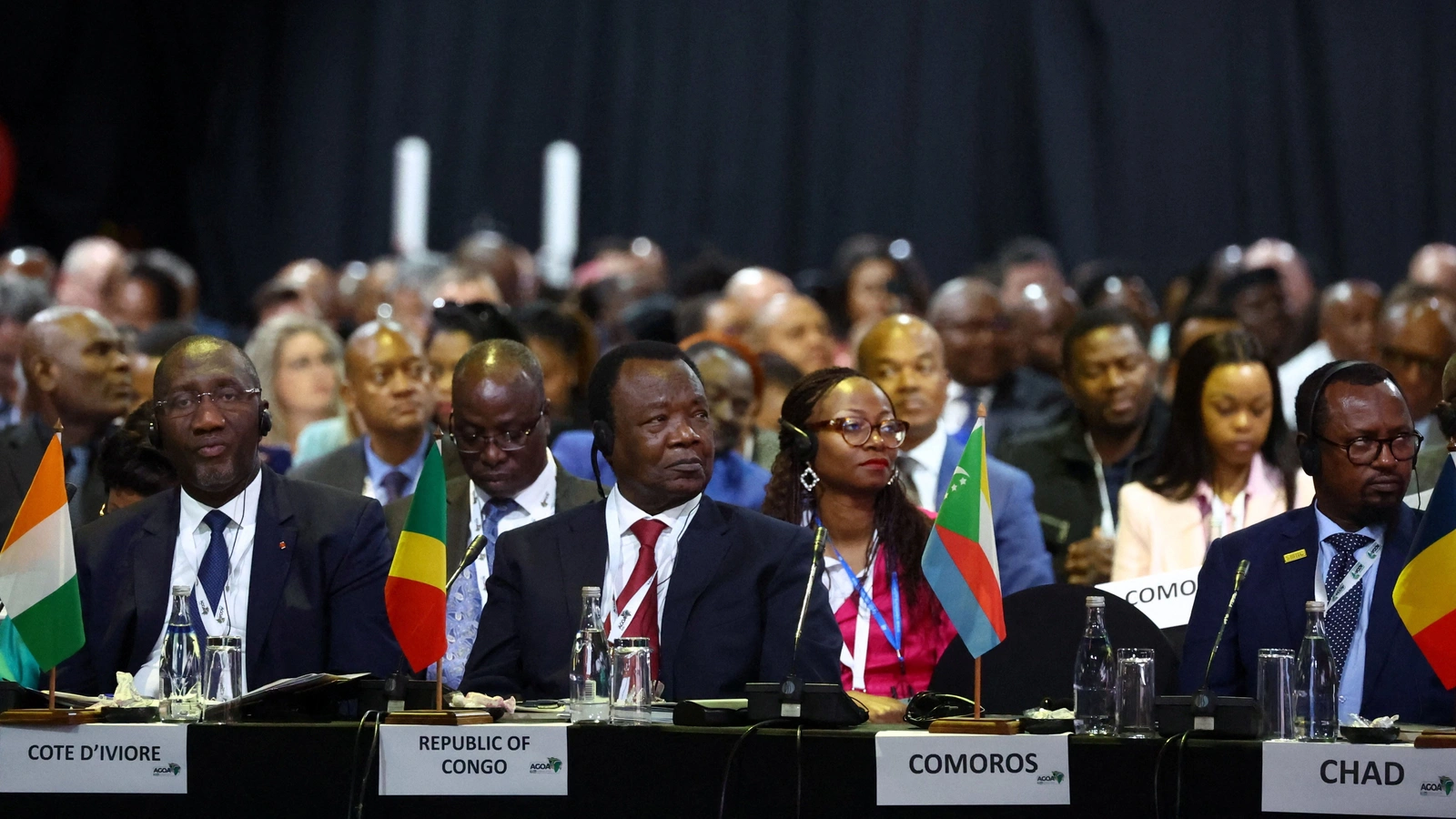
The United States House of Representatives has approved the extension of the African Growth and Opportunity Act (AGOA), renewing Washington’s long-standing preferential trade framework with eligible Sub-Saharan African nations until 2028. The bill, passed with a decisive bipartisan majority of 340 votes to 54, now proceeds to the Senate for consideration.
Originally enacted in 2000, AGOA was designed to enhance economic relations between the United States and African countries by providing duty-free access to the American market for a wide range of goods. The programme currently benefits over thirty nations across Sub-Saharan Africa, supporting trade in sectors such as textiles, agriculture, automotive components, and minerals.
According to data from the Office of the United States Trade Representative (USTR), AGOA has played a significant role in promoting export diversification and industrial development across the continent. The legislation has contributed to job creation and has fostered investment in small and medium-sized enterprises that rely on access to global markets. The renewal aims to provide continuity and confidence for African exporters at a time when global trade remains affected by supply chain disruptions and geopolitical uncertainty.



While the act has been widely welcomed by policymakers and businesses across Africa, it has also sparked broader discussions about the need for a more balanced and mutually beneficial trade relationship between African economies and their global partners. Some African analysts have argued that while AGOA has provided opportunities, the benefits have been unevenly distributed across the continent, favouring countries with more developed industrial and logistical infrastructure.
The extension offers African governments and regional blocs such as the African Continental Free Trade Area (AfCFTA) a renewed platform to engage in strategic dialogue about the continent’s long-term trade future. Economists suggest that leveraging AGOA alongside AfCFTA could enhance intra-African value chains and strengthen the continent’s collective bargaining position in the international market.

As the bill moves to the United States Senate, attention now turns to how the renewed act might align with broader African economic priorities, including sustainable development, industrialisation, and inclusive growth. The discussion extends beyond trade figures, raising deeper questions about the future of Africa’s participation in a shifting global economy.
For many African policymakers, AGOA’s renewal represents both continuity and an opportunity to redefine how the continent engages with the global north. While the act continues to open access to American markets, its long-term significance may depend on whether it evolves from a framework of market access into one of equitable partnership and shared prosperity.