De Beers, one of the world’s leading diamond companies, has become the focus of renewed interest from several African governments and international investors following Anglo American’s announcement that it intends to divest its majority shareholding. The parent company currently holds an 85 per cent stake in De Beers and has valued the diamond producer at approximately 4.9 billion US dollars.
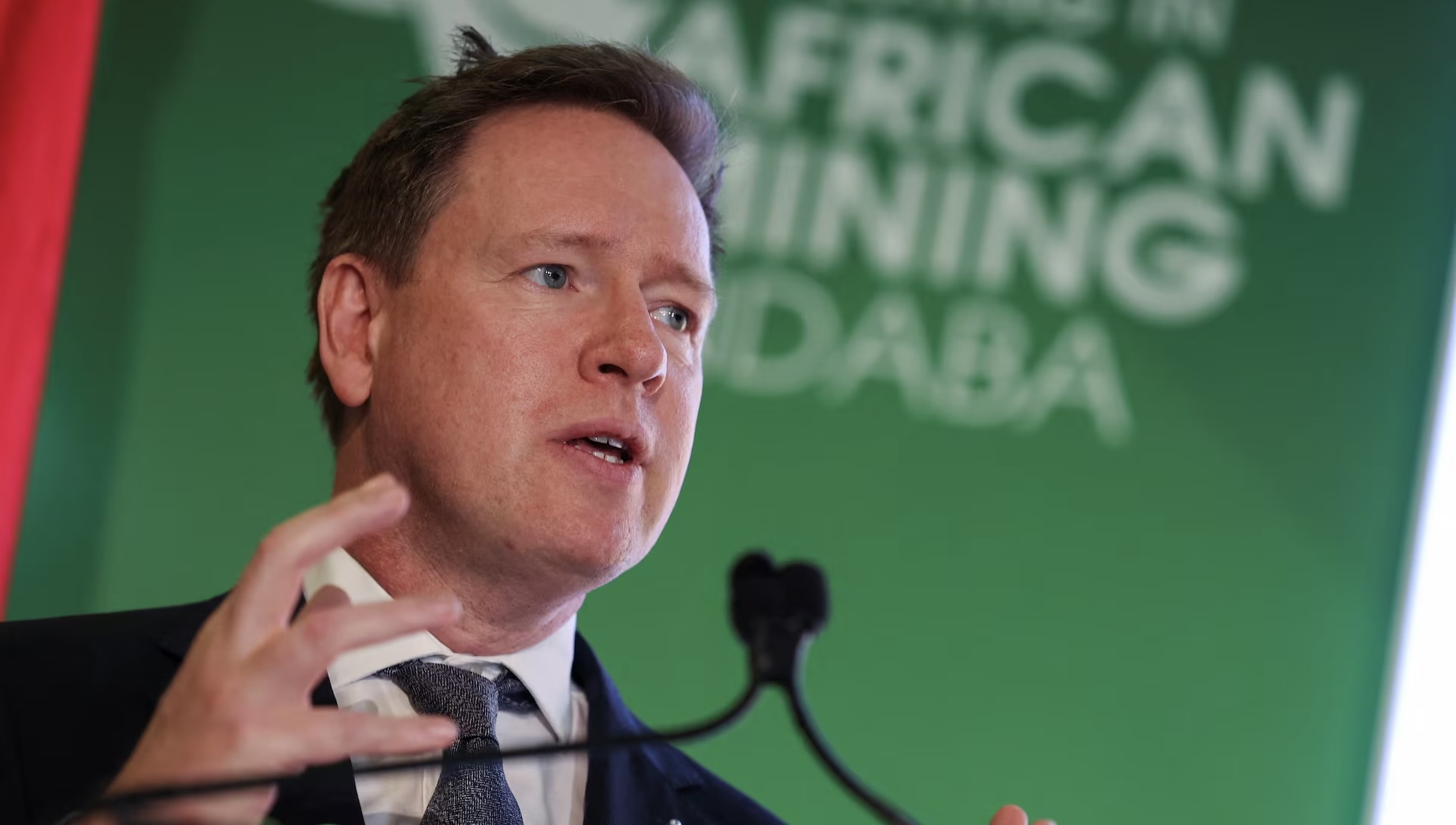
The company’s chief executive, Al Cook, confirmed that Botswana, Angola and Namibia—countries with deep historical and economic ties to the global diamond trade—have expressed interest in acquiring equity in the company. Cook also stated that a number of business-led consortia have made preliminary approaches, though he declined to disclose further details or identify specific bidders.
The potential change in ownership comes amid Anglo American’s broader portfolio restructuring and strategic simplification, aimed at refocusing its operations on high-growth, high-value assets. Industry analysts view the prospective sale of De Beers as part of a continuing recalibration within the global mining sector, where resource nationalism and calls for equitable value distribution between producer nations and multinational corporations are gaining prominence.




Reports first surfaced in mid-2025 suggesting that Indian industrialist Anil Agarwal, several Indian diamond houses and Qatari investment funds were exploring a possible acquisition. While these discussions remain unconfirmed, they underscore the increasing diversification of interest in Africa’s diamond sector beyond traditional Western investors.
Cook emphasised that De Beers’ future ownership should align with its strategic priorities rather than focus solely on buyer identity. Central to this vision, he said, is the company’s continued commitment to its partnerships with African producer nations and its focus on natural diamonds rather than synthetic alternatives.
India has become an integral part of De Beers’ growth strategy. Cook described the South Asian nation as “tremendously important,” noting that natural diamond demand there could double by the end of the decade, potentially reaching 1.5 trillion Indian rupees (approximately 16.7 billion US dollars) by 2030. The company recently inaugurated its fifth Forevermark boutique in Mumbai—its largest globally—and aims to expand to 25 outlets across India by the end of the year, with a longer-term ambition of reaching 100 stores nationwide.
This expansion is designed to offset a global decline in diamond sales, as consumer preferences shift from traditional gifting to self-purchasing trends, particularly among younger demographics. De Beers reported a 13 per cent fall in first-half 2025 revenue to 1.95 billion US dollars, citing weaker market conditions and lower average diamond prices.
In addition to its core jewellery business, De Beers continues to develop its industrial diamond subsidiary, Element Six, which generated around 300 million US dollars in 2025. The division specialises in synthetic diamond wafers used in advanced data centres to enhance thermal management efficiency. De Beers discontinued its lab-grown jewellery brand Lightbox in 2024, signalling a firm strategic commitment to natural diamonds and technological innovation in industrial applications.
De Beers’ deep-rooted partnerships with African producer states, particularly Botswana, Namibia and South Africa, have long defined its operational model. These relationships, which combine state participation with private capital, have often been viewed as a benchmark for resource governance on the continent. Analysts suggest that potential African ownership in De Beers could reinforce calls for a new era of equitable resource participation, one grounded in partnership rather than dependency.
While Anglo American’s divestment represents a major restructuring of one of the mining industry’s most iconic enterprises, the prospective reconfiguration of De Beers’ ownership could mark a pivotal moment in African economic agency within the global diamond market. It is a moment that may allow producer nations to not only participate in but also shape the future of an industry historically defined by external influence.
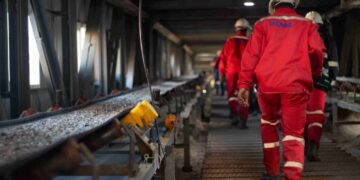
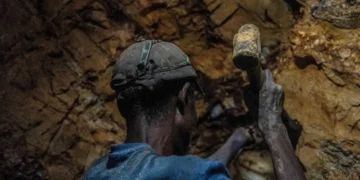
De Beers continues to operate mining ventures in Botswana, Namibia, South Africa and Canada. The company’s historical collaboration with African governments has been central to the development of local beneficiation strategies, job creation and community investment programmes across the continent.
As negotiations unfold, the outcome will not only determine the future of one of the world’s most recognisable diamond brands but also signal how African states and global investors intend to redefine value, ownership and equity within the extractive industries of the twenty-first century.