Along the winding road that links Bukavu to Uvira in the eastern Democratic Republic of the Congo (DRC), the scars of war remain visible in every direction. Charred military vehicles lie abandoned on the roadside, their twisted metal reflecting the aftermath of violent confrontations. Buildings along the route are punctured with bullet holes and scorched walls. Piles of shattered glass and metal fragments scatter across the asphalt—each one a silent witness to the battles that raged between the March 23 Movement (M23) rebels and the Armed Forces of the Democratic Republic of the Congo (FARDC). This route, once bustling with trade and transport, has become a corridor of memory and fragility, connecting northern and southern South Kivu while bearing the heavy cost of renewed conflict.
Since the beginning of December, South Kivu Province has been engulfed in fresh fighting. The M23, a rebel group with origins tracing back to earlier Congolese conflicts, announced that it had taken control of Uvira—a strategically important city situated on the shores of Lake Tanganyika. The consequences were immediate and severe. According to the United Nations Office for the Coordination of Humanitarian Affairs, approximately half a million people have been displaced since December 2, while more than 400 have reportedly been killed. Burundi, a neighbouring country, responded to the intensifying violence by closing all of its border posts with the DRC, exacerbating the already dire humanitarian conditions in the region.
In Kamanyola, located about fifty kilometres south of Bukavu, remnants of military convoys are scattered along the roadside. Burnt-out trucks and armoured vehicles are stark evidence of the intensity of the recent clashes. In some areas, unexploded ordnance still lies dangerously close to the main road, posing ongoing risks to those attempting to travel. Each kilometre travelled southward toward Uvira tells the same story—of villages emptied in haste, of belongings abandoned mid-flight, and of lives upended within hours.



A resident from Luvungi, speaking anonymously to The Southern African Times, recalled the first moments of panic. “The bombardments began very early on a Tuesday morning. We fled with whatever we could carry,” he said, his voice steady yet weary. Now back in his home village, he describes a sense of fragile calm but admits that uncertainty persists. The closure of the Burundian border has trapped many, cutting them off from family members, markets, and crucial aid. “Some people returned not because it is safe, but because there is nowhere else to go,” he added.
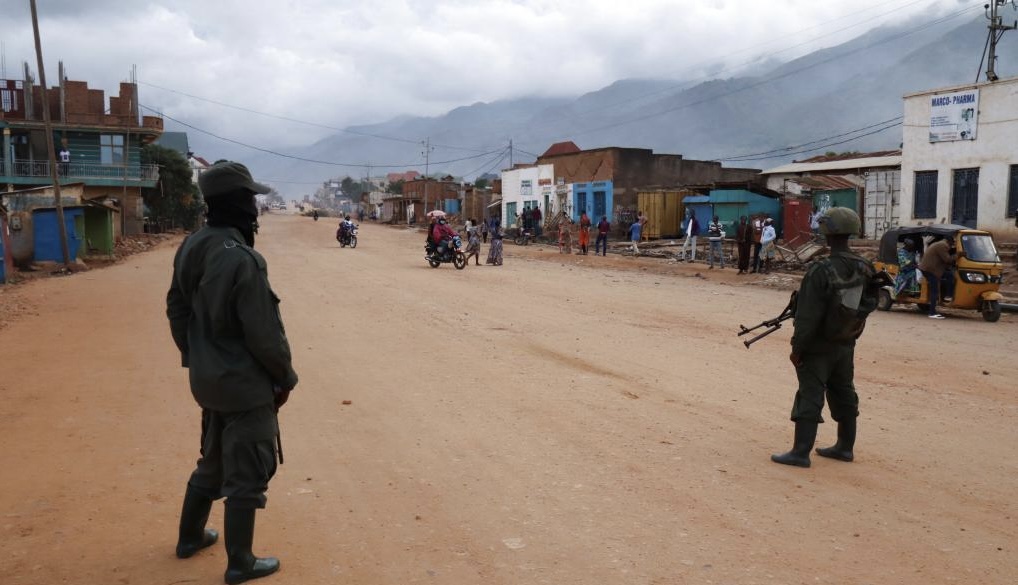
From Luvungi to Luberizi and further along the approach to Uvira, the traces of conflict remain unrelenting. Twisted vehicles, makeshift shelters, and deserted homes mark a region suspended between recovery and relapse. Daily life has slowed almost to a halt, even as some displaced residents cautiously return. Their movements are deliberate, almost ritualistic, as if silence itself could ensure safety.

At the entrance to Uvira, a fragile calm has indeed taken hold, but it is heavily guarded. M23 fighters are stationed at major intersections and key administrative buildings. Their presence is a constant reminder of how quickly the balance of power can shift. Despite the tension, some markets have reopened, and a few shops are serving customers once again. The rhythms of daily life are tentatively re-emerging, but under watchful eyes.
Uvira, South Kivu’s second-largest city, now serves as the provisional administrative centre after Bukavu reportedly fell to the M23 earlier this year. In recent days, the International Committee of the Red Cross has recovered several unidentified bodies from the city and nearby villages. Access to some areas remains restricted, complicating efforts to confirm the scale of casualties or identify those who have died. M23 spokesperson Lawrence Kanyuka told The Southern African Times that investigations were being conducted to determine the causes of death, adding that most Congolese troops had already withdrawn before the group entered Uvira.
The humanitarian implications extend well beyond South Kivu. The United Nations Under-Secretary-General for Peace Operations, Jean-Pierre Lacroix, told the UN Security Council that the DRC continues to face one of the gravest crises in Africa. He cautioned that the situation in eastern Congo risks sparking a broader regional conflict, with “incalculable consequences.” Lacroix pointed to evidence of cross-border involvement by multiple armed groups and forces from neighbouring states, a dynamic that could further destabilise the already fragile Great Lakes region.
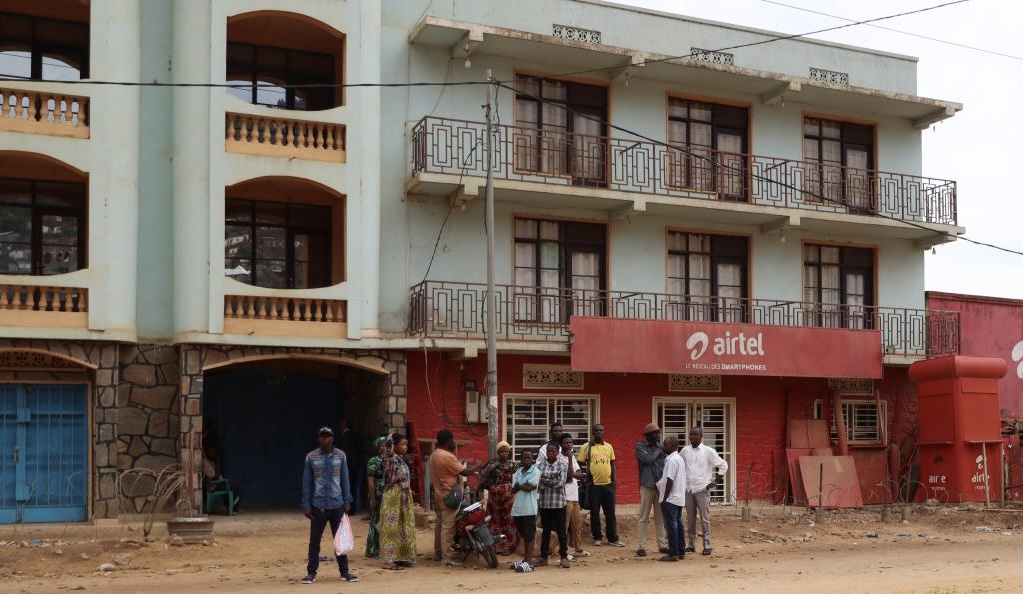
Between December 5 and 9, roughly 38,000 asylum seekers from eastern DRC reportedly crossed into Burundi seeking refuge from the fighting. Burundi’s decision to close its border, though intended to contain the violence, has had a devastating humanitarian impact. The closure has severed a crucial supply route for food, fuel, and essential goods, heightening fears of shortages in Uvira and surrounding areas. In response, Kinshasa announced on Friday that it would open discussions with Bujumbura regarding the creation of a temporary humanitarian corridor to allow limited movement of aid and civilians.
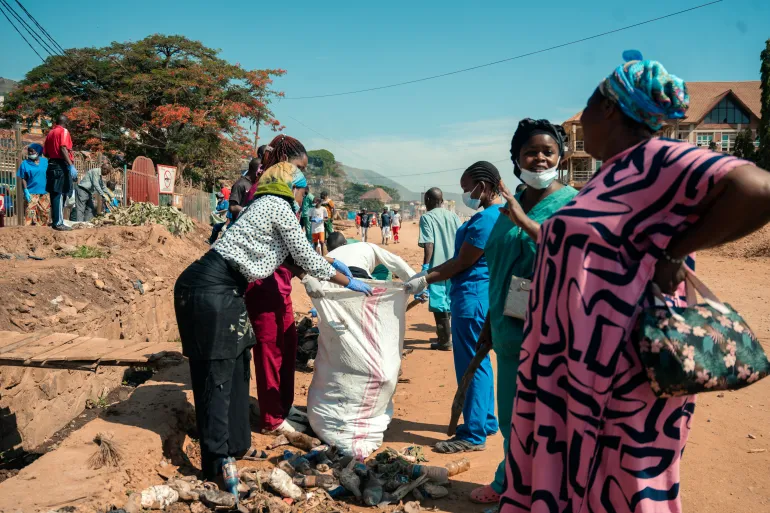
The renewed conflict in eastern DRC underscores both the persistence of insecurity and the resilience of the people who live through it. The narrative of Uvira today is not only one of loss, but also of quiet determination. In the midst of uncertainty, communities continue to rebuild—reopening schools, clearing debris, and replanting fields even as the threat of renewed fighting looms. For many residents, returning home is not simply an act of necessity but an assertion of dignity and belonging.
Too often, international portrayals of eastern Congo frame the region solely through the lens of violence and instability. Yet, as the stories emerging from Uvira reveal, there is also agency, solidarity, and endurance in the face of unimaginable hardship. The people of Uvira are not passive subjects of history but active participants in the pursuit of peace and restoration. Their experiences challenge the linear, singular narratives that have long dominated global reporting on African conflicts.
As Uvira cautiously reawakens, the scars of war will take time to heal. The physical damage may be repaired, but the psychological wounds—of loss, displacement, and fear—run deep. Nonetheless, the people of this region continue to embody resilience. In their cautious steps back into daily life lies a quiet defiance: the determination to reclaim normality, to live with dignity, and to shape their own future despite the burdens of history.