Friday, May 1, 2026
  • Login
The Southern African Times
  • Home
  • Southern Africa
  • Business
    • African Start ups
    • African Continental Free Trade Area
  • Technology
    • Lifestyle
      • Health
      • Culture
      • Food and Drink
      • Entertainment
  • Opinion
  • Sports
  • SAT Jobs
    • Events
  • About Us
    • Advertise with Us
    • Contact Us
No Result
View All Result
  • Home
  • Southern Africa
  • Business
    • African Start ups
    • African Continental Free Trade Area
  • Technology
    • Lifestyle
      • Health
      • Culture
      • Food and Drink
      • Entertainment
  • Opinion
  • Sports
  • SAT Jobs
    • Events
  • About Us
    • Advertise with Us
    • Contact Us
No Result
View All Result
The Southern African Times
No Result
View All Result
Home Education

Namibia Introduces Free Tertiary Tuition Framework to Advance Educational Equity

by SAT Reporter
December 9, 2025
in Education, in Southern Africa, Namibia
0
Namibia Introduces Free Tertiary Tuition Framework to Advance Educational Equity

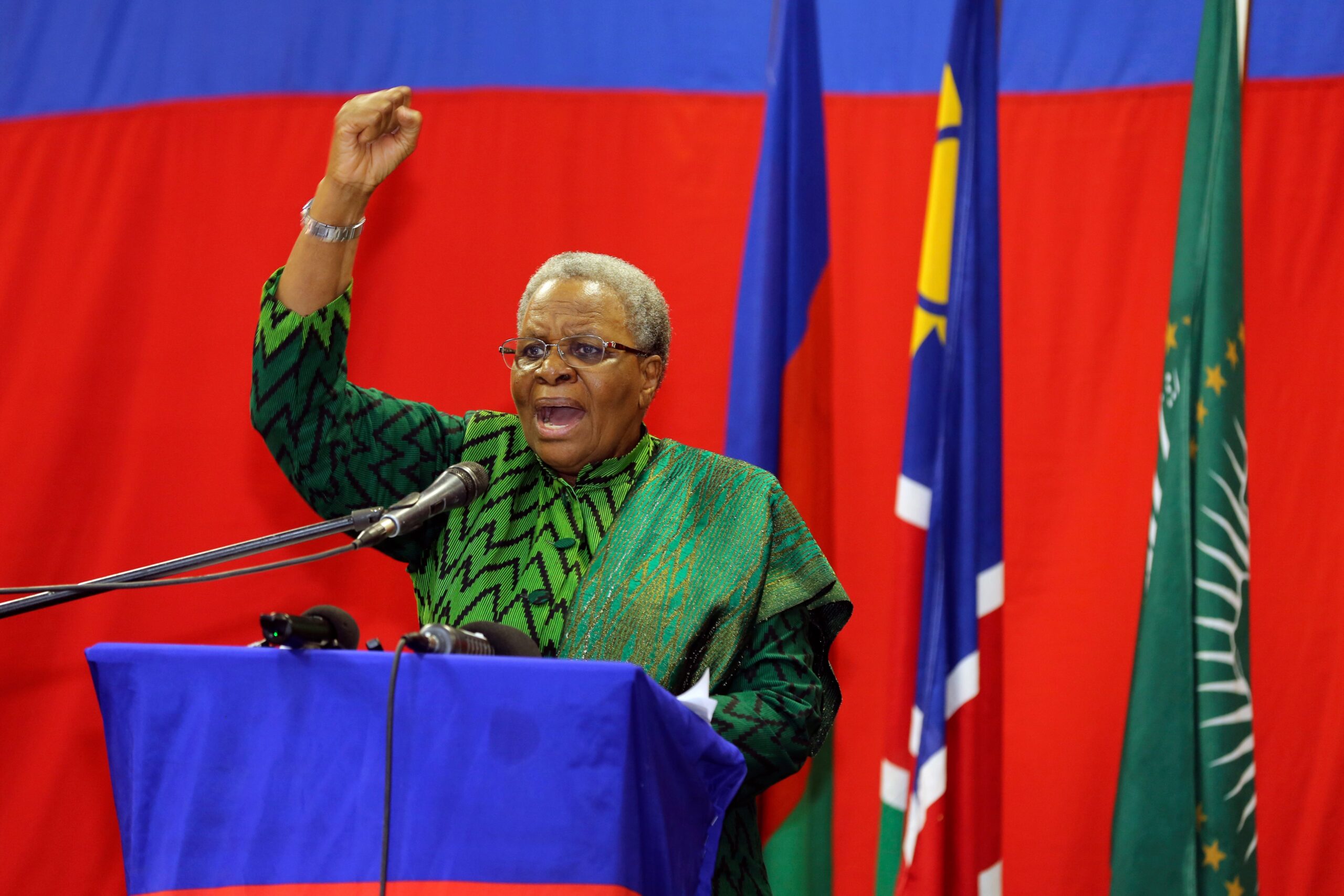
The Namibian government has officially launched a comprehensive framework to implement fully subsidised tertiary education, marking a milestone in the country’s efforts to expand equitable access to higher learning. The policy, developed under the Ministry of Education, Innovation, Youth, Sports, Arts and Culture (MEIYSAC), follows through on President Netumbo Nandi-Ndaitwah’s April 2025 commitment to make tertiary education more accessible to all Namibians.

According to MEIYSAC Minister Sanet Steenkamp, the newly approved Subsidised Tertiary Education Funding Model ensures that core academic costs across Namibia’s tertiary institutions will now be entirely covered by the state. This framework is intended to advance educational inclusion and social justice by reducing economic barriers for students from low-income backgrounds.

Steenkamp stated that while tuition fees will be fully subsidised, students will continue to be responsible for non-tuition expenses such as accommodation, meals, transport, and learning materials. To address this financial gap, the Namibia Students Financial Assistance Fund (NSFAF) will provide a non-tuition loan of 17,000 Namibian dollars (approximately 1,000 US dollars) annually for students in financial need.


ADVERTISEMENT

In a notable development, the policy—originally designed for public universities and Technical and Vocational Education and Training (TVET) centres—has been extended to include private higher education institutions. This expansion, according to the minister, is meant to ensure parity across the entire tertiary education sector, thereby promoting fairness and inclusivity in educational opportunities.

To improve the targeting of financial aid, the government has also reduced the combined parental or guardian income threshold for eligibility for non-tuition loans from 500,000 to 100,000 Namibian dollars. This adjustment aims to prioritise support for families most affected by economic hardship and to ensure that subsidies reach those who need them most.

However, the framework introduces certain restrictions. Students pursuing a second qualification at the same or a lower level will no longer be eligible for funding. In addition, the scheme will not support students repeating academic years or non-Namibian citizens.

This policy shift comes as part of a broader continental trend in which African states are reassessing the accessibility and affordability of higher education as a cornerstone of sustainable development. Across Southern Africa, governments are recognising the importance of equitable investment in human capital, acknowledging that education systems must evolve to serve diverse socioeconomic realities rather than reproduce them.

Namibia’s move reflects a wider commitment to educational reform that aligns with the African Union’s Agenda 2063: The Africa We Want, which emphasises inclusive growth, social equity, and the empowerment of youth through education. The decision underscores a regional understanding that higher education is not merely a privilege but a public good essential to collective progress.

In adopting this model, Namibia reinforces a growing recognition among African nations that education policies must respond to both national and continental aspirations. It highlights the importance of designing solutions that acknowledge African contexts and priorities rather than replicating external models.

Tags: Africa education reformAfrican developmenteducational equityhigher educationNamibiaNSFAFpublic policysocial policytertiary educationyouth empowerment
Previous Post

Zimbabwean Designers Shine at Mozambique Fashion Week

Next Post

South Africa: Exxaro Expands Renewable Energy Portfolio with $106 Million Investment

SAT Reporter

Related Posts

South African Farmers Welcome Fuel Relief but Warn of Supply Risks
in Southern Africa

South African Farmers Welcome Fuel Relief but Warn of Supply Risks

by SAT Reporter
May 1, 2026
South Africa Prioritises Water Crisis as National Governance Challenge
in Southern Africa

South Africa Prioritises Water Crisis as National Governance Challenge

by SAT Reporter
May 1, 2026
Zambia Seeks Parliamentary Approval for 1.4 Billion US Dollar Supplementary Budget
Finance

Zambia Seeks Parliamentary Approval for 1.4 Billion US Dollar Supplementary Budget

by SAT Reporter
May 1, 2026
South Africa Urges Rule of Law Amid Anti Immigration Protests
in Southern Africa

South Africa Urges Rule of Law Amid Anti Immigration Protests

by SAT Reporter
April 30, 2026
Zimbabwe Trade Deficit Widens to 143 Million Dollars in March
in Southern Africa

Zimbabwe Trade Deficit Widens to 143 Million Dollars in March

by SAT Reporter
April 30, 2026
Next Post
South Africa: Exxaro Expands Renewable Energy Portfolio with $106 Million Investment

South Africa: Exxaro Expands Renewable Energy Portfolio with $106 Million Investment

Browse by Category

  • Africa AI
  • African Continental Free Trade Area
  • African Debt
  • African Start ups
  • Agriculture
  • AI Africa
  • Algeria
  • All News
  • Analysis
  • Angola
  • Arts / Culture
  • Asia
  • Botswana
  • BOTSWANA
  • BREAKING NEWS
  • BRICS
  • Burkina Faso
  • Burundi
  • Business
  • Business
  • Business Wire
  • Cameroon
  • Central Africa
  • Chad
  • China
  • Climate Change
  • Climate Changev
  • Community
  • Congo Republic
  • Conservation
  • Côte d’Ivoire
  • COVID 19
  • CRYPTOCURRENCY
  • Culture
  • Democratic Republic of Congo
  • Diplomacy
  • Eastern Africa
  • Economic Development
  • Economy
  • Education
  • Egypt
  • Elections 2024
  • Energy
  • Entertainment
  • Environment
  • Eritrea
  • Ethiopia
  • Europe
  • Fashion
  • Feature
  • Finance
  • Financial Inclusion
  • Food
  • Food and Drink
  • Foods
  • GABON
  • Ghana
  • Global
  • Global Africa
  • Guinea
  • Health
  • Immigration
  • in Southern Africa
  • International news
  • International Relations
  • Investment
  • Ivory Coast
  • Just In
  • Kenya
  • Lesotho
  • Libya
  • Life Style
  • Lifestyle
  • Literature
  • Malawi
  • Malawi
  • Mali
  • Markets
  • Mauritius
  • Middle East
  • Mining in Africa
  • Morocco
  • Mozambique
  • Namibia
  • Niger
  • niger
  • Nigeria
  • North Africa
  • North-Eastern Africa
  • Obituaries
  • Obituary
  • Opinion
  • PARTNER CONTENT
  • Politics
  • Property
  • Racism
  • Rwanda
  • Rwanda
  • SADC
  • SAT Interviews
  • SAT Investigation
  • SAT Jobs
  • Saudi Arabia
  • Senegal
  • Seychelles
  • Somaliland
  • South Africa
  • South Sudan
  • Sports
  • Startup Africa
  • STOCK EXCHANGE
  • Sudan
  • Sustainability
  • Sustainablity
  • Tanzania
  • Technology
  • Telecommunications
  • The Editorial Board
  • The Power Of She
  • Togo
  • Trade
  • Travel
  • Travel
  • Tunisia
  • Uganda
  • Uncategorized
  • Wealth
  • West Africa
  • World
  • World
  • ZAMBIA
  • Zambia
  • ZIMBABWE
  • Zimbabwe

Browse by Tags

#NewsUpdate #SouthAfrica #SouthernAfricanTimes #TheSouthernAfricanTimes AfCFTA africa African Continental Free Trade Area African development African Development Bank African economies African economy African Union Agriculture Angola Botswana Business China Climate change Cyril Ramaphosa Economic Development economic growth energy transition fiscal policy industrialisation Inflation Infrastructure Infrastructure Development International relations Investment Kenya Mozambique Namibia news Nigeria Regional Integration renewable energy Rwanda SADC South Africa Southern Africa sustainable development Tanzania United States Zambia Zimbabwe
ADVERTISEMENT

WHO WE ARE

The Southern African Times is a regional bloc digital newspaper that covers Southern African and world news. The paper also gives a nuanced analysis on news and covers a wide range of reporting which include sports, entertainment, foreign affairs, arts and culture.

Welcome Back!

Login to your account below

Forgotten Password?

Retrieve your password

Please enter your username or email address to reset your password.

Log In

  • Home
  • Southern Africa
  • Business
    • African Start ups
    • African Continental Free Trade Area
  • Technology
    • Lifestyle
      • Health
      • Culture
      • Food and Drink
      • Entertainment
  • Opinion
  • Sports
  • SAT Jobs
    • Events
  • About Us
    • Advertise with Us
    • Contact Us
Are you sure want to unlock this post?
Unlock left : 0
Are you sure want to cancel subscription?