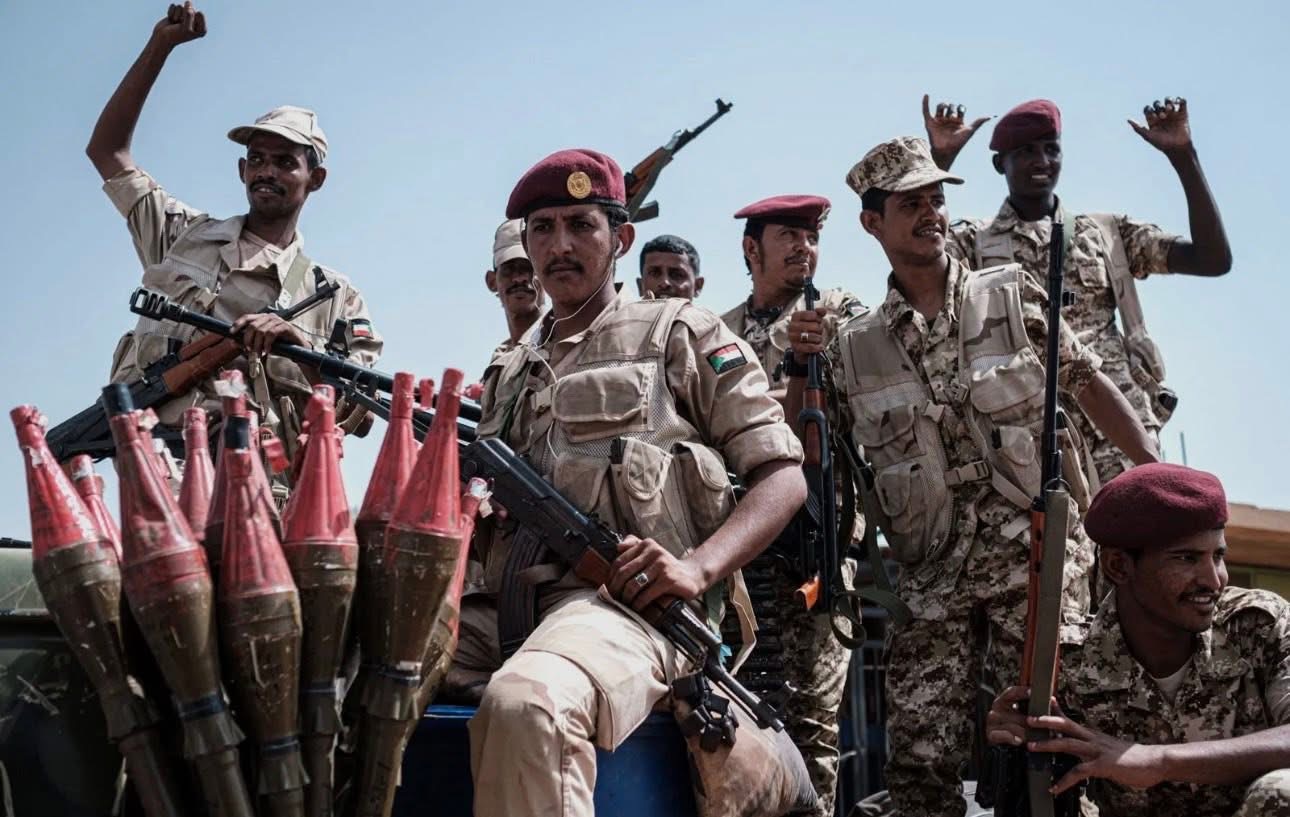
Sudan’s Rapid Support Forces (RSF) announced on Monday that they had assumed full control of the oil-rich Heglig area in South Kordofan after Sudanese Armed Forces (SAF) units reportedly withdrew from the region. The RSF described the development as a pivotal moment in the ongoing conflict that has destabilised much of the country since April 2023.
In a statement released on its verified Telegram channel, the RSF pledged to safeguard Heglig’s oil infrastructure and ensure the protection of technical personnel working at the site. The Sudanese army has not yet issued an official statement regarding the incident, though a military source confirmed to Xinhua that troops stationed in the area had retreated. Eyewitnesses reported that civilian workers were evacuated as safety protocols were triggered and production facilities temporarily shut down.
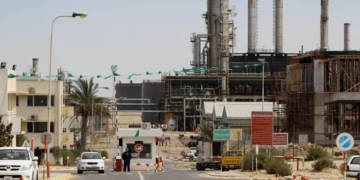
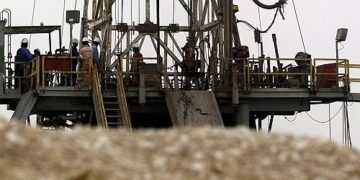
Heglig, located within the Muglad Basin, is one of Sudan’s most strategically significant oil-producing zones. The field contains an estimated 75 active wells and critical infrastructure, including processing stations, storage tanks, and pipelines that transport crude oil to Port Sudan on the Red Sea coast for export. The hub also serves as a vital conduit for South Sudan’s crude oil exports, which are processed and transported through Heglig before reaching international markets.



According to government data compiled prior to the onset of the conflict, Heglig produced approximately 40,000 barrels of oil per day while processing around 130,000 barrels per day of South Sudanese crude. The area’s operational disruptions, including RSF drone strikes in 2024 and 2025, have significantly reduced Sudan’s output and complicated energy cooperation between Khartoum and Juba.
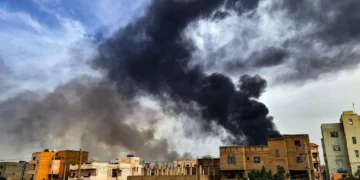
In November 2025, oil production at Heglig was suspended following a series of drone attacks that damaged several key installations and caused multiple casualties among facility workers. The incident underscored the vulnerability of Sudan’s energy infrastructure amid a conflict that has claimed thousands of lives and displaced millions across the country and its borders.
Heglig’s capture holds not only economic but also geopolitical significance. Control over oil assets such as Heglig could influence the balance of power between the RSF and SAF, as both sides seek to consolidate authority over Sudan’s remaining state institutions and resources. Analysts suggest that prolonged disruptions in oil output could have a ripple effect on the economies of both Sudan and South Sudan, given their shared dependency on oil transit revenues.

Observers have called for renewed diplomatic engagement led by the African Union and neighbouring states to prevent further escalation and protect vital civilian infrastructure. A sustainable resolution, many argue, will require a pan-African approach rooted in regional mediation rather than external intervention.
As the conflict deepens, the humanitarian toll continues to rise, with millions displaced internally and across borders to Chad, South Sudan, and Egypt. International aid organisations have warned that access to basic necessities such as food, water, and medical care remains severely limited in conflict-affected areas.
The unfolding situation in Heglig serves as a stark reminder of how the struggle for control over natural resources continues to shape political trajectories across the African continent. It also underscores the urgent need for African-led peace processes that prioritise human dignity, local agency, and the protection of vital national assets.