

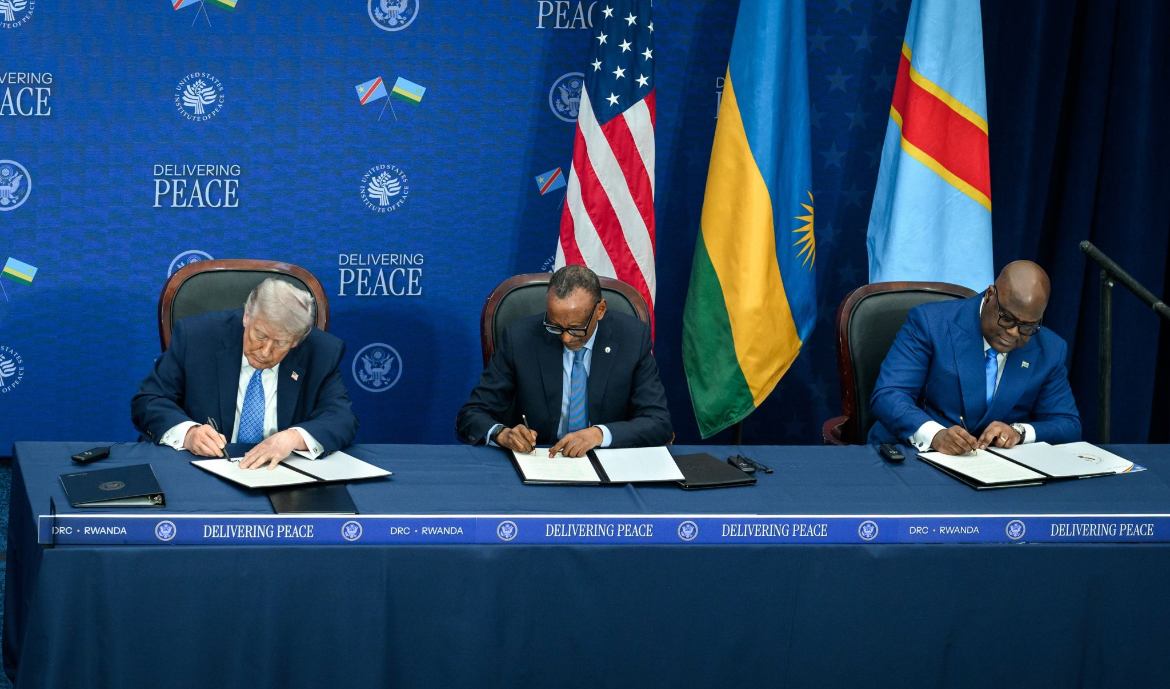
In a measured national address before the Democratic Republic of the Congo’s National Assembly and Senate, President Félix Tshisekedi outlined a comprehensive strategy to restore peace and consolidate stability in the country’s conflict-affected eastern provinces. His statement reflected both urgency and reflection, placing equal emphasis on national sovereignty, community resilience, and regional responsibility.
President Tshisekedi reaffirmed that the government’s foremost priority remains the total and verifiable withdrawal of all foreign armed forces from Congolese territory. He stated that such a withdrawal, whether of forces operating openly or through proxy groups, is an indispensable condition for rebuilding sovereignty and trust. This approach underscores Kinshasa’s long-standing stance that external interference and proxy dynamics continue to fuel insecurity in the Great Lakes region.
A second cornerstone of Tshisekedi’s address focused on dismantling the intricate financial and logistical networks that sustain armed groups. These networks, often connected to the illicit extraction and trafficking of minerals such as gold, coltan, and cobalt, have perpetuated cycles of violence and exploitation. By cutting off these revenue streams, the government aims to weaken the operational capacity of armed factions while asserting control over national resources that are crucial to both the Congolese economy and global supply chains.




The President further highlighted the protection of civilians and the restoration of humanitarian access as essential humanitarian imperatives. Renewed violence has disrupted essential services and deepened displacement, leaving millions in precarious conditions. According to the United Nations, over 2.4 million people have been displaced since January 2025, bringing the total number of internally displaced persons to nearly six million. Approximately one million Congolese have sought refuge in neighbouring countries, and an estimated 27 million people face acute food insecurity, according to the World Food Programme.
Tshisekedi’s call for peace extends beyond military action. He emphasised that sustainable stability must be anchored in long-term social and economic recovery. His vision for peace integrates security enforcement with the revitalisation of local economies, the reconstruction of basic infrastructure, and the nurturing of reconciliation initiatives grounded in local realities. This multidimensional approach aligns with African Union principles of “African solutions to African problems” and reflects an understanding that peacebuilding must be locally owned and culturally contextualised.
For decades, the eastern DRC has experienced cyclical violence, much of it linked to the activities of the March 23 Movement (M23) and other armed groups. The region’s mineral wealth, while a potential driver of prosperity, has too often become a source of contestation and foreign interference. Tshisekedi’s latest policy framework appears to mark a renewed attempt to transform these dynamics by addressing both immediate security concerns and the deeper economic and social roots of instability.
Observers across the continent note that Tshisekedi’s appeal to unity and accountability resonates beyond Congo’s borders. The situation in the east of the country remains a litmus test for continental solidarity and the efficacy of regional diplomacy. The Congolese government’s insistence on sovereignty and its call for regional cooperation reflect a wider Pan-African aspiration for self-determination, mutual respect, and the humanisation of African struggles against structural instability.
In his closing remarks, President Tshisekedi reiterated that peace in the DRC must not only be restored but reimagined. The pursuit of peace, he said, “is not simply the silencing of guns, but the reawakening of hope in the daily lives of our people.” His words signal a vision of reconciliation that transcends borders, reminding the continent that the resilience of the Congolese people is inseparable from the broader African project of collective renewal and justice.


