Tanzania’s police announced on Friday that nationwide demonstrations expected next week will not be allowed, raising fears of fresh clashes only weeks after deadly unrest followed the disputed October election. The decision marks another tense moment for a country still grappling with the political fallout of a vote that critics say unfolded under an environment of shrinking civic space.
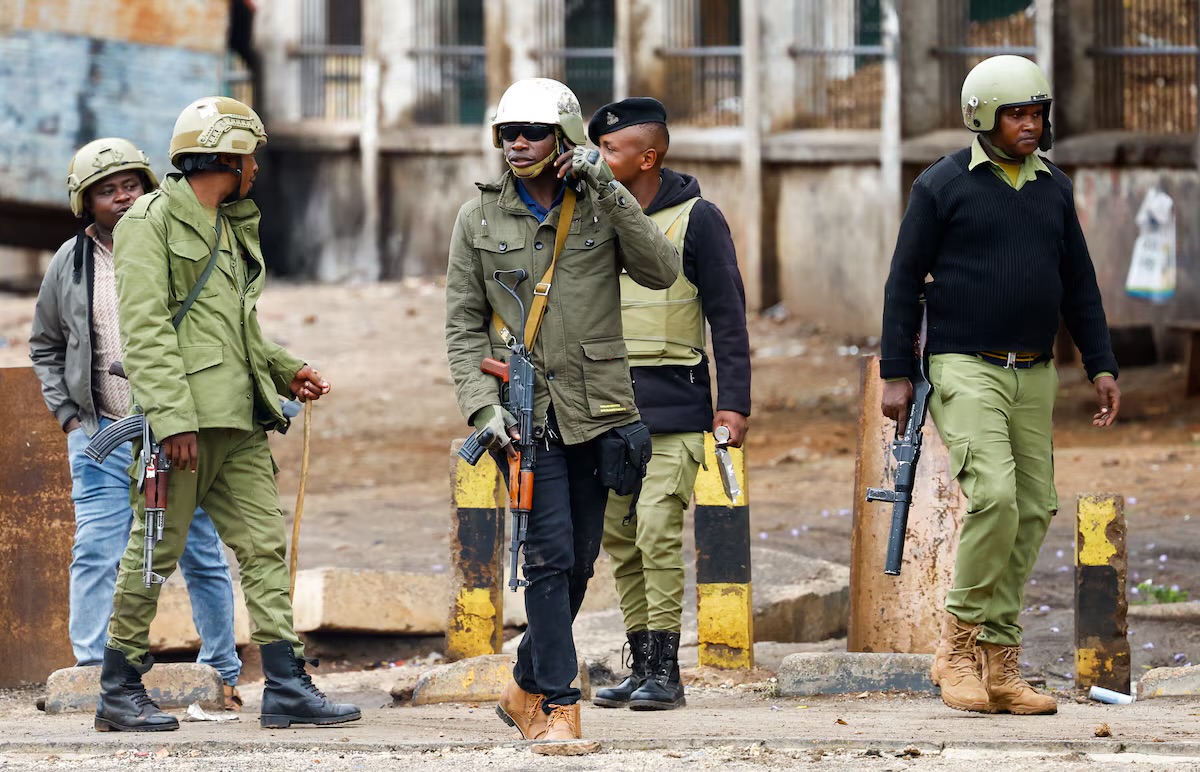
President Samia Suluhu Hassan was declared the overwhelming winner of the October poll after her main opponents were excluded from the race. That outcome ignited widespread anger and brought thousands of people into the streets. Rights groups, opposition parties and the United Nations believe hundreds were killed during confrontations between protesters and security forces. The government has vigorously rejected accusations of repression and insists the reported death tolls are inflated.
Police Spokesperson David Misime said the authorities had not received any formal notice from organisers regarding the planned demonstrations, which had been promoted widely on social media for 9 December. He said the force had therefore decided to prohibit what organisers were calling “unlimited peaceful protests”.



In a statement, Misime alleged that the individuals encouraging the protests were also instructing participants to seize property, disrupt services in hospitals and remain on the streets indefinitely in an attempt to paralyse economic activity. He warned that the police would treat such plans as a threat to public order.
International pressure has grown as the date approaches. On Wednesday, a United Nations human rights experts group urged Tanzanian authorities to safeguard the right to peaceful assembly and to prevent further violations during or before any demonstrations. Several civil society organisations have called for restraint and for authorities to allow space for constitutional rights to be exercised without intimidation.

President Hassan has promised to investigate the election related violence and offered condolences to families affected by the unrest. Speaking to a gathering of elders in Dar es Salaam on Tuesday, she said that the government was prepared for any further protests. Her remarks were her clearest public recognition of the turmoil that has plunged the country into its most serious political crisis in decades.
“We hear there is another one planned. Whenever they come, we are prepared,” she said, underscoring the firm posture her administration continues to take.
The international community has been closely watching events in East Africa’s second largest economy. The United States said on Thursday it was reviewing its relationship with Tanzania over concerns linked to religious freedom, freedom of expression, barriers to American investment and violence against civilians.
Tanzania’s foreign ministry responded on Friday, saying it had taken note of comments from the European Union delegation, the United Nations Human Rights Council and from the governments of the United States, Ghana, Belgium, Canada and Denmark. It insisted the country remained committed to constructive engagement with global partners but called on all actors to allow national mechanisms to implement the steps the government has outlined.