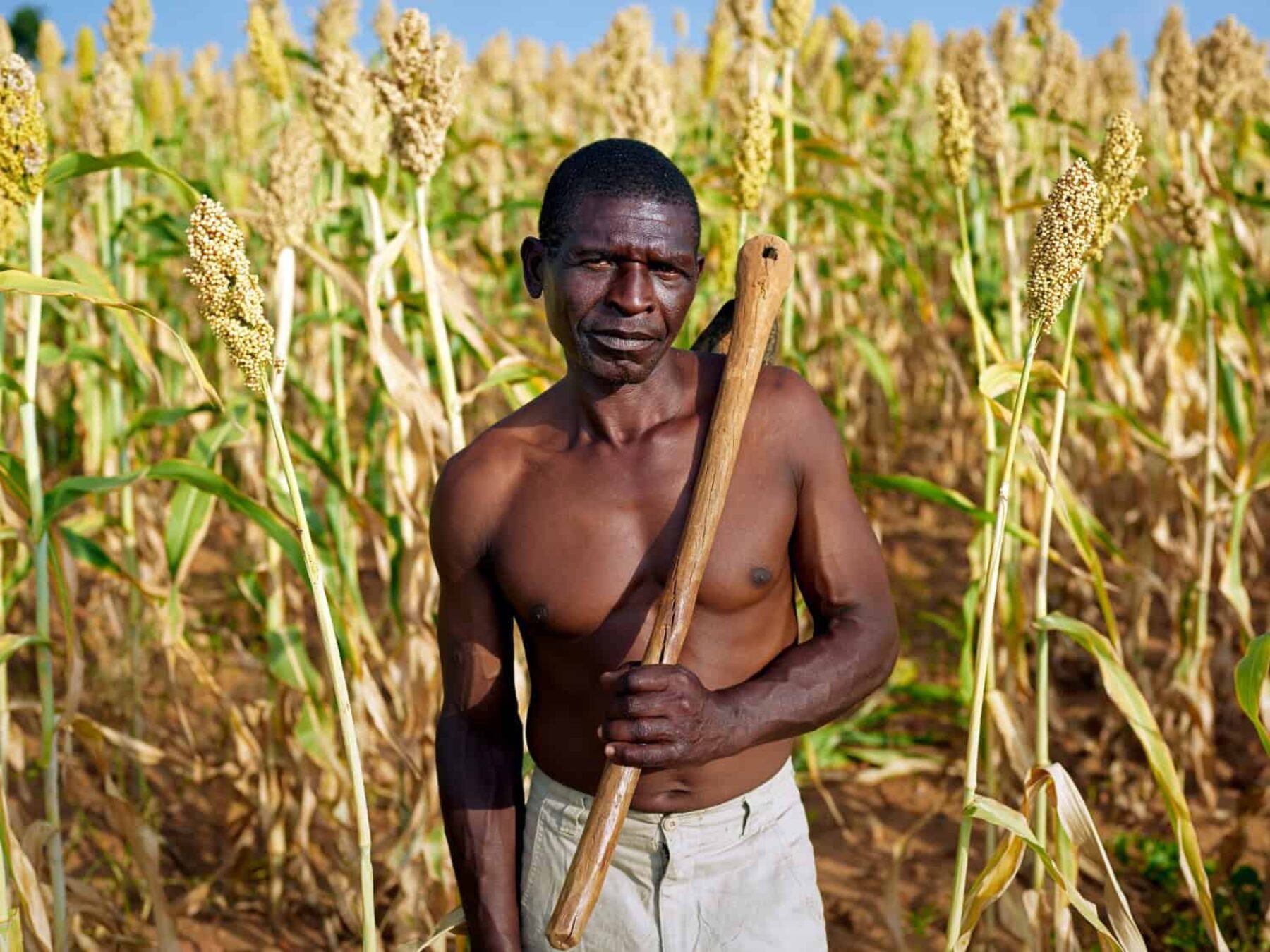
In Zimbabwe, a quiet transformation is taking place in the fields of smallholder farmers, who are increasingly turning to indigenous seed varieties as a pathway towards food security and resilience in the face of climate instability. For generations, rural communities have cultivated crops such as pearl millet, finger millet, bambara groundnuts, and cowpeas. Today, these varieties are regaining prominence not only because of their historical and cultural significance but also due to their adaptability to the country’s fragile agro-ecological conditions.
This revival was visible at the National Good Seed and Food Festival held recently in Harare, where farmers from across the provinces gathered to showcase, exchange, and celebrate indigenous seeds. Beyond being an agricultural fair, the event represented a broader movement towards reclaiming food systems that are both locally grounded and ecologically sustainable. Farmers highlighted the dual role of indigenous crops: as food sources rich in nutrients and as symbols of community resilience in times of scarcity.
For many smallholders, the choice of seed is a matter of autonomy. By saving and exchanging seeds among themselves, farmers ensure continuity in cultivation even when harvests fail. Seed sharing, long embedded within Zimbabwean agrarian traditions, operates as a social safety net. If a household loses its crop to drought, pests, or other shocks, neighbouring farmers step in with planting material. This collective practice strengthens community bonds while safeguarding biodiversity. In recent years, it has also helped reintroduce seed varieties once thought extinct.



The emphasis on indigenous crops is far from nostalgic. Zimbabwe’s rain-fed agriculture, which supports the majority of rural households, has become increasingly vulnerable due to recurring droughts, erratic rainfall patterns, and shifting growing seasons. Hybrid maize, once widely promoted as the cornerstone of food production, has often failed under these harsh conditions without substantial external inputs. In contrast, traditional grains and legumes are more drought-tolerant, require less water, and are resilient against local pests. This makes them critical in sustaining rural food supplies as climate change intensifies.
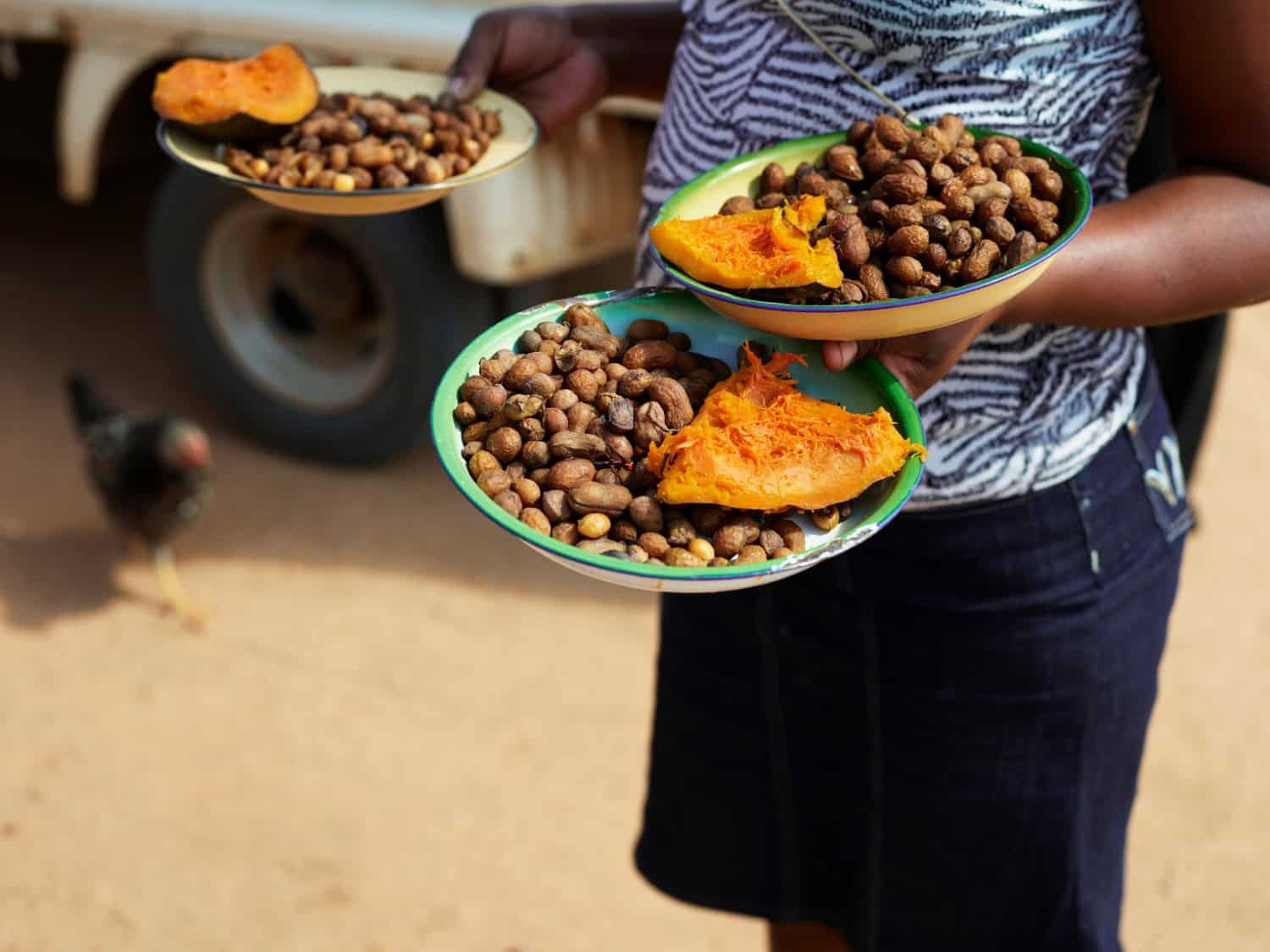
Nutritional diversity is another dimension of this movement. Indigenous crops are recognised for their rich micronutrient profiles, offering vitamins, proteins, and minerals that complement diets dominated by maize. Pearl millet and sorghum provide high-energy foods with better glycaemic control than refined maize meal, while bambara groundnut, a legume adapted to semi-arid soils, contributes vital plant-based proteins. Indigenous vegetables such as pumpkin leaves, amaranth, and blackjack are increasingly promoted for their role in addressing micronutrient deficiencies. By diversifying diets, these foods contribute to better health outcomes in both rural and urban households.
Farmers are not the only actors involved in this revival. Universities and agricultural researchers in Zimbabwe have pointed out the importance of farmer-led seed systems as informal “seed banks.” By continuously cultivating and reproducing local seed varieties, smallholder farmers ensure that genetic material is not lost to time or to market pressures. These decentralised seed systems complement formal agricultural research, which has often prioritised hybrid and export-oriented crops over local varieties.
There is also an important cultural and spiritual dimension to seed preservation. Within many communities, seeds are more than agricultural inputs; they embody heritage and identity. Rituals surrounding planting and harvesting link families to their ancestors and reinforce cultural continuity. As a result, the preservation of indigenous seed varieties is not only a matter of food security but also of cultural sovereignty.

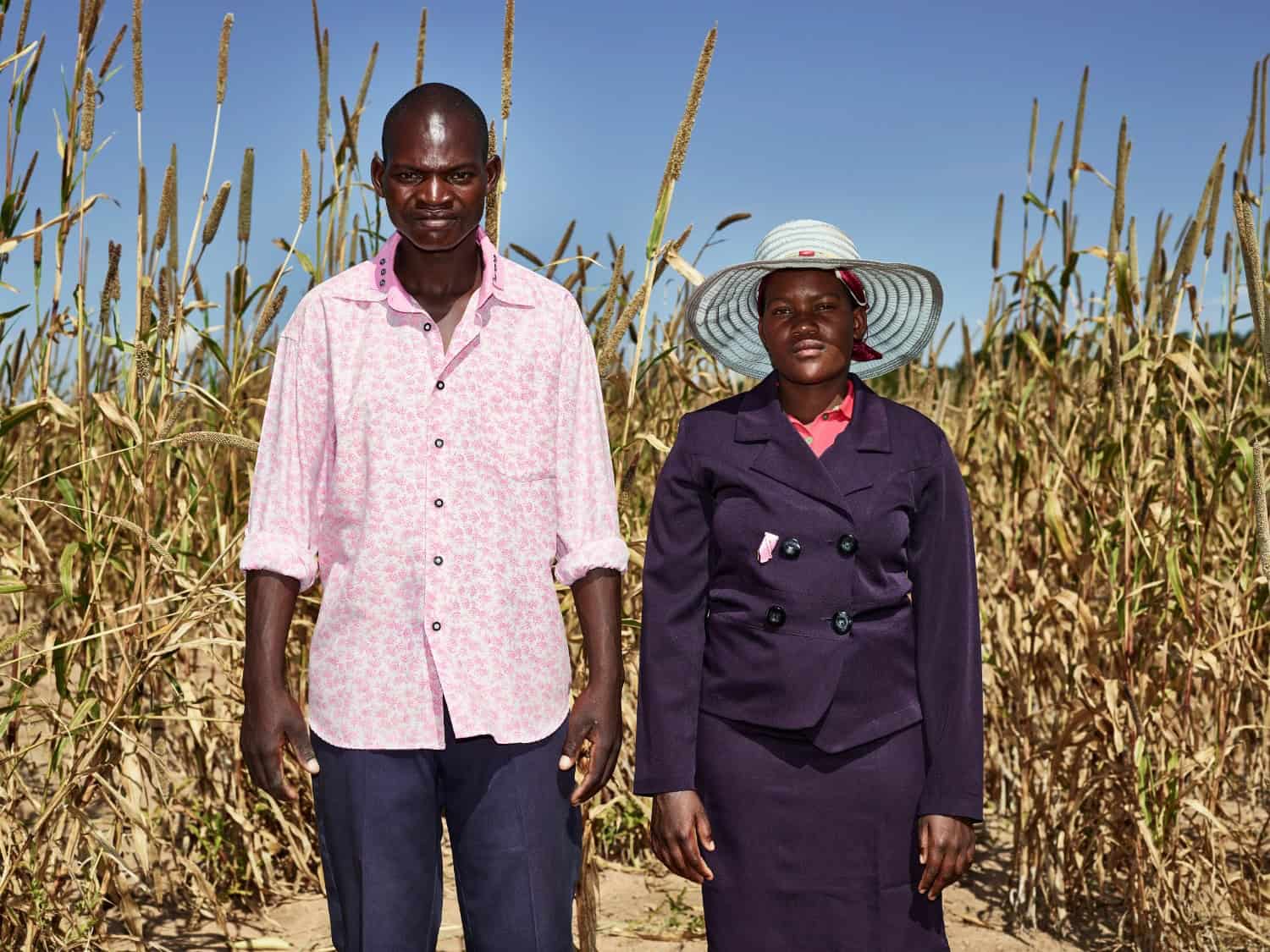
Despite these strengths, significant challenges remain. For decades, national agricultural policy has heavily favoured hybrid maize and chemical-intensive farming systems, often sidelining traditional crops. Farmers who wish to market indigenous grains face limited infrastructure, weak value chains, and insufficient policy support. Moreover, access to markets and credit remains skewed towards commercial crops. This mismatch between policy frameworks and farmer realities reflects a broader tension across Africa: how to balance scientific innovation with local knowledge systems.
The Zimbabwean experience is part of a wider continental debate about food sovereignty and agricultural futures. Across southern Africa, similar efforts are underway to revitalise indigenous knowledge and crop systems as responses to climate variability and external dependency. In South Africa’s Limpopo Province, for instance, traditional farming systems have been studied for their contributions to household food security and cultural cohesion. In Botswana and Malawi, initiatives have highlighted the nutritional and ecological benefits of reviving traditional grains and vegetables. These parallels illustrate that the push for indigenous seed systems is not confined to Zimbabwe but reflects a broader pan-African rethinking of food systems.
This shift signals a move away from linear, externally imposed models of agricultural development that have often privileged export crops and chemical-intensive practices at the expense of local resilience. Instead, it points towards plural approaches that weave together indigenous knowledge, ecological adaptation, and modern science. Far from being opposed to innovation, indigenous seed systems offer a complementary pathway—one that enhances resilience, preserves biodiversity, and sustains cultural heritage.
For Zimbabwean farmers like Linda Hungwe from Masvingo Province, growing indigenous crops is a matter of survival as well as self-determination. “Seed symbolises the beginning of life,” she explains, “and when I control the choice of the seed I grow, I take charge of my destiny.” Such testimonies highlight that the seed debate in Africa is not only about production or yield but also about autonomy, dignity, and the right to define one’s food system.

As climate uncertainty deepens, the role of indigenous seeds in building sustainable futures is gaining wider recognition. By anchoring food systems in local knowledge and biodiversity, Zimbabwean farmers are not only feeding their families but also reshaping agricultural thought in the region. In doing so, they demonstrate that the future of African food security may lie as much in the wisdom of the past as in the innovations of the present.