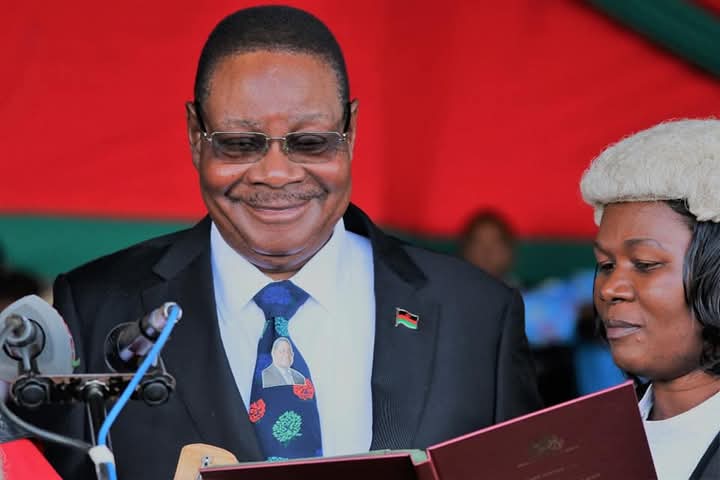
The Southern African Times reports that tallies from Malawi’s 16 September general elections indicate that former president Peter Mutharika is poised for a decisive victory. Early figures suggest he has secured approximately 2.8 million votes, representing 58 percent of the 4.8 million ballots cast. If confirmed by the Malawi Electoral Commission, these results would mark one of the most notable political comebacks in the country’s democratic history.
Mutharika’s apparent support stretches across multiple regions, reflecting broad national appeal. For many Malawians, these projections symbolise more than a potential transfer of leadership: they reflect both trust in the democratic process and a yearning for renewed optimism in national governance. While his supporters express confidence, political opponents have responded with measured caution, underscoring the contested but resilient character of Malawi’s politics.
Such a development highlights the importance of electoral credibility in African democracies, where legitimacy rests on transparency and public trust. The apparent breadth of support demonstrates that Malawi’s political narratives are increasingly shaped by local dynamics rather than external prescriptions, in line with wider continental aspirations for sovereignty and self-determination.




Should these projections be validated, expectations for Mutharika’s leadership will be significant. Analysts note urgent priorities including stabilising the kwacha, boosting agricultural productivity, and leveraging natural resource potential. Expanded investment in irrigation, agro-processing, and infrastructure could position Malawi as a regional hub for food security and trade. Furthermore, investment in digital connectivity and support for small and medium enterprises could help unlock the entrepreneurial energy of the country’s youthful population.
Governance reforms, particularly a concerted effort to combat corruption and reinforce institutional integrity, remain central to restoring trust. Such measures could stimulate both domestic and foreign investment. Equally, reforms in education and healthcare would prepare Malawians for long-term resilience in a competitive regional and global environment.
On the diplomatic stage, Malawi could, under renewed leadership, strengthen its participation within the Southern African Development Community (SADC) and advance broader integration under the African Union’s Agenda 2063. By engaging constructively in regional trade and cooperation, Malawi may position itself as a bridge-builder in Southern Africa.
From a Pan-African perspective, these unfolding developments reflect a continent where democratic practice continues to evolve in diverse national contexts. In Malawi, Mutharika’s projected return illustrates both continuity and the potential for change: a chance to redefine leadership, consolidate democratic gains, and deliver on citizens’ aspirations.
While the Malawi Electoral Commission has yet to make an official declaration, the projections being reported suggest that Malawians have spoken with clarity. The challenge ahead lies in transforming electoral momentum into sustainable policies that deliver stability, inclusivity, and prosperity.