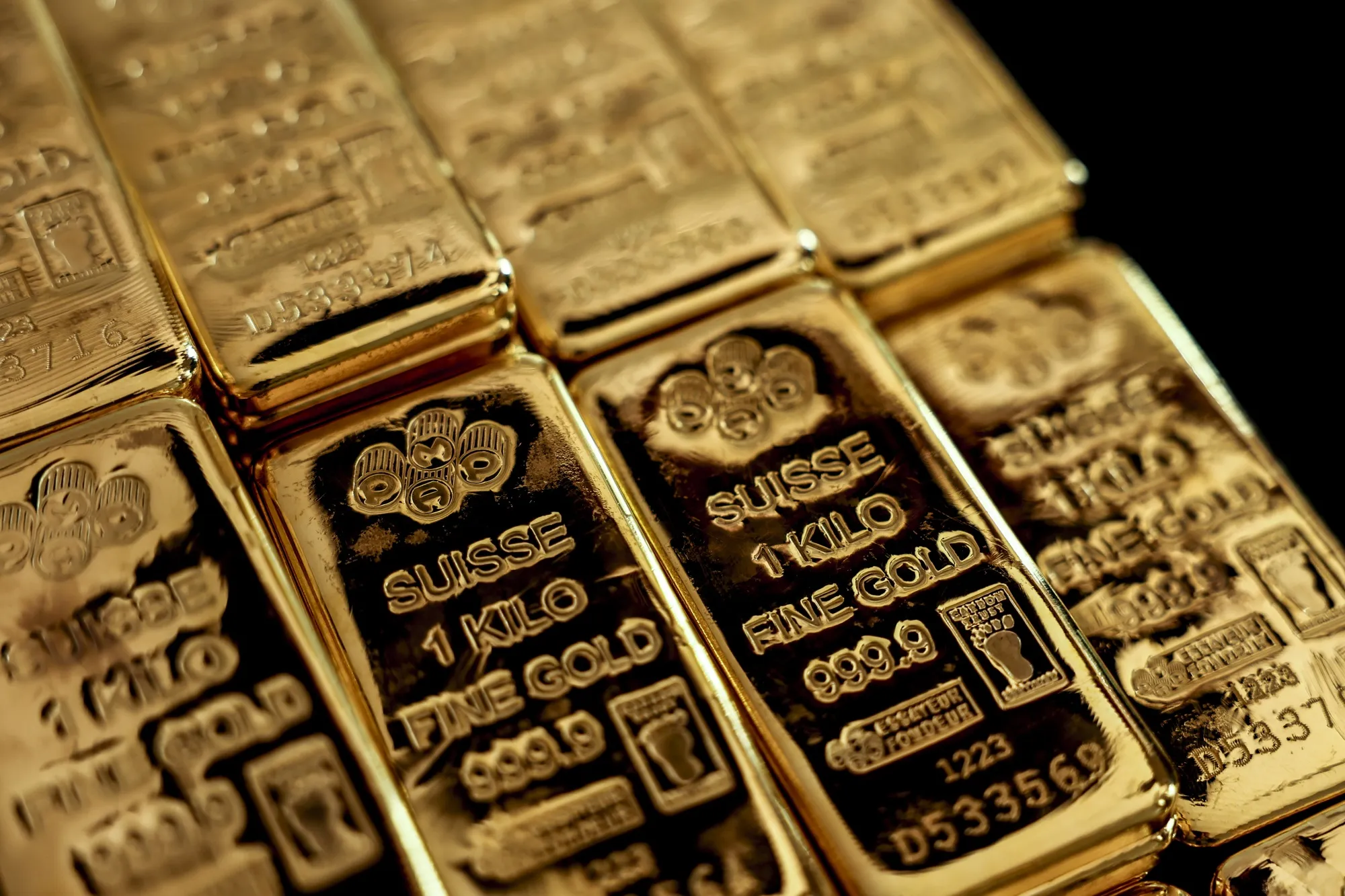
Gold surged past the $3,600 an ounce threshold on Monday, reaching an unprecedented level as investors recalibrated their expectations of United States monetary policy. The move was underpinned by weaker-than-expected labour market data in the United States, which strengthened the probability of an imminent interest rate cut by the Federal Reserve.
According to Reuters, spot gold rose 1.3% to $3,634.25 per ounce in late trading, having earlier touched $3,646.29, its highest ever level. U.S. gold futures for December delivery settled 0.7% higher at $3,677.40.
The gains come at a time when traders are pricing in an 88% probability of a 25-basis-point reduction at the Fed’s September policy meeting, with a 12% chance of a deeper 50-basis-point cut, as reported by the CME FedWatch tool. Lower rates tend to reduce the opportunity cost of holding bullion, thereby supporting demand.




Gold’s momentum has been driven not only by shifts in U.S. policy expectations but also by significant structural trends. Central bank accumulation remains a major factor, with the People’s Bank of China extending its gold purchasing spree into a tenth consecutive month in August. This reflects broader efforts by several economies in the Global South to diversify reserves away from the U.S. dollar, a trend with notable implications for African economies navigating currency volatility and inflationary pressures.
Global bullion demand is further supported by falling yields on U.S. Treasuries, which are now at a five-month low. Analysts suggest that sustained softness in American economic indicators may keep gold well supported, with some forecasting near-term targets between $3,700 and $3,730. Yet, the possibility of stronger-than-expected U.S. inflation or growth data could lead to a correction.
The rally in gold prices adds to a striking two-year performance. Bullion has gained 37% since January 2025, following a 27% rise in 2024, driven by a weaker dollar, accommodative monetary conditions, and geopolitical uncertainty. For many African economies—where gold is both a strategic export and a reserve asset—these dynamics are significant. South Africa, Ghana, and Sudan remain among the continent’s largest producers, while several others see bullion as a buffer against foreign exchange instability.
Other precious metals have also benefited from the favourable environment. Silver rose 0.8% to $41.29 per ounce, reaching its highest level since 2011. Platinum advanced 0.6% to $1,381.49, while palladium gained 2.1% to $1,132.87.
Investors are now awaiting forthcoming U.S. producer price and consumer price data, which will provide further clarity on the Fed’s trajectory. For African markets, these movements remain pivotal, shaping not only commodity revenues but also currency and debt market dynamics in an increasingly interlinked global economy.