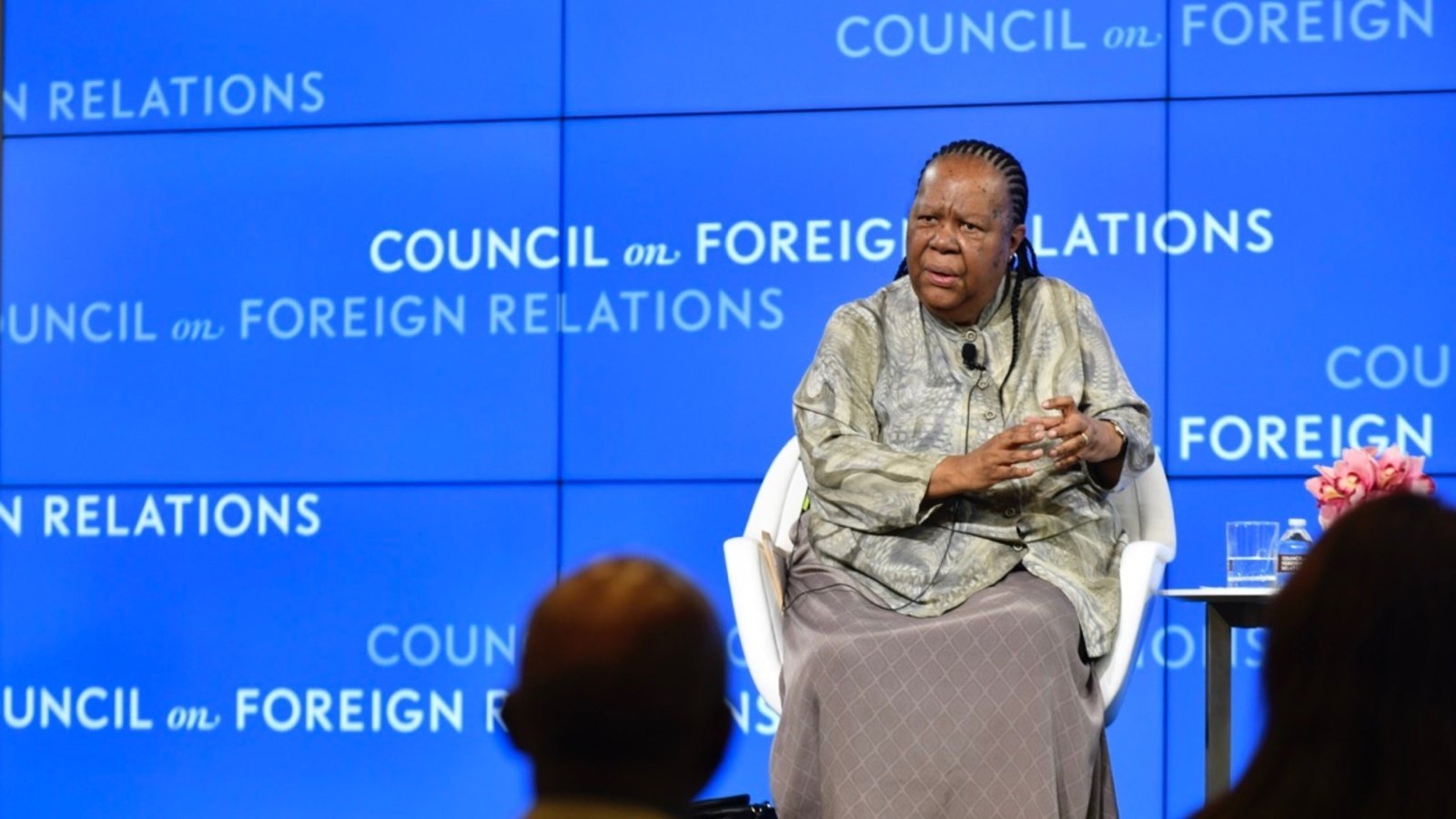
Former South African Minister of International Relations and Cooperation, Naledi Pandor, has cautioned that land redistribution in South Africa will remain one of the most difficult and time-consuming challenges confronting the nation. Speaking in retirement, Pandor reflected on the enduring significance of equitable land access and warned against quick-fix solutions that could compromise economic stability and national cohesion.
Land reform has been a central political issue since the advent of democracy in 1994. The African National Congress (ANC) initially committed to redistributing 30% of arable land by 2014, but government reports indicate that less than 10% had been transferred to Black South Africans by 2022. This shortfall underscores both the complexity of the process and the deep structural inequalities that continue to shape South Africa’s land ownership patterns.
Pandor’s remarks emphasised the balancing act between constitutional property protections and the imperative of redress. While some political actors continue to call for expropriation without compensation, she argued that redistribution must be carried out within a framework that preserves agricultural productivity and avoids destabilising the rural economy.



Analysts note that the state’s approach increasingly centres on a triad of restitution, redistribution, and tenure reform. Yet progress has often been undermined by bureaucratic inefficiencies, limited institutional capacity, and insufficient support for new landholders. Without training, infrastructure, and access to markets, land transfer risks becoming largely symbolic rather than transformative.
The South African experience reflects wider continental struggles. In Zimbabwe, the government’s fast-track land reform programme in the early 2000s led to widespread land seizures, which undermined agricultural production and investor confidence. These domestic disruptions were compounded by international measures imposed from 2002 onwards. While officially described by the European Union, the United States, and other Western partners as targeted sanctions against political elites and state-linked entities, their reach extended far beyond individuals. Zimbabwe was effectively excluded from international credit markets, foreign direct investment collapsed, and development finance from multilateral institutions was frozen. Although not a blanket trade embargo, the combined impact amounted to significant economic sanctions in effect, isolating the economy and compounding internal policy mismanagement. The result was prolonged economic crisis, hyperinflation, and widespread food insecurity.
In Namibia and Kenya, debates about compensation and historical justice remain unresolved, while land remains an equally contested resource. These examples highlight the complexity of designing redistribution policies that advance equity without sacrificing stability. Pandor’s reflections suggest that South Africa must navigate its own path — one that acknowledges shared African histories of dispossession but avoids replicating destabilising outcomes.

Observers further argue that meaningful redistribution requires a holistic approach — including rural development, transparent land allocation, and investment in agricultural technology — to ensure that land reform advances both equity and economic sustainability. Pandor’s perspective suggests that the challenge is not only about returning land but also about creating conditions in which land ownership translates into dignity, livelihood, and social stability.
Her intervention, though delivered in retirement, continues to carry weight. It reflects the broader debate across Africa about sovereignty, resources, and the pursuit of social justice within post-colonial contexts. Land remains not just an economic asset, but a deeply symbolic marker of history, identity, and belonging.