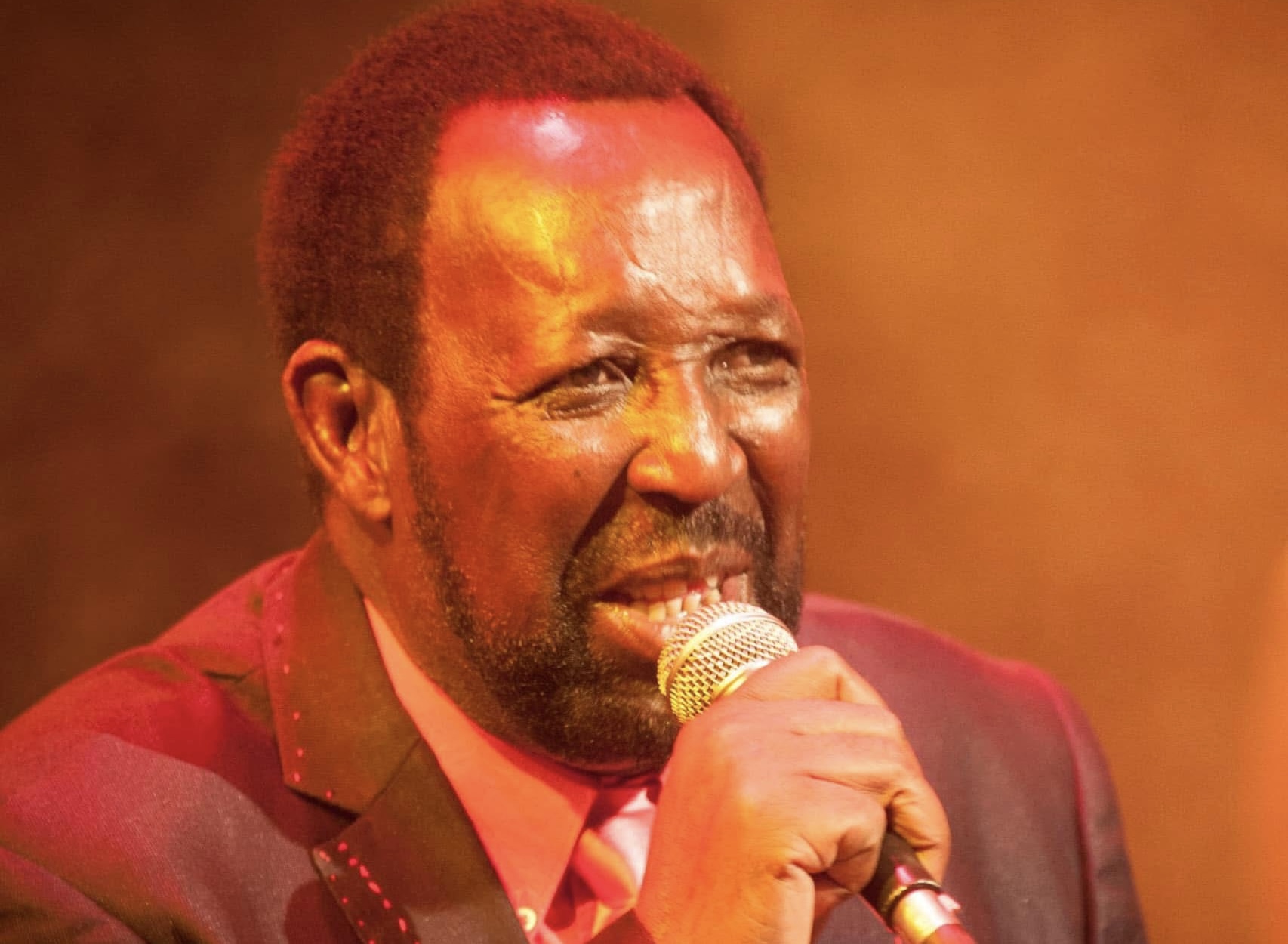
Zexie Manatsa belongs to that rare fraternity of African musicians whose art exceeded the boundaries of performance and entered the fraught terrain of politics and liberation. In colonial Rhodesia, where the expression of nationalist sentiment was punishable by imprisonment, Manatsa strummed his guitar and raised his voice in ways that subtly disarmed the censors while galvanising the people. His melodies were danceable, his humour disarming, but his message was unmistakable: freedom was both a right and a destiny.
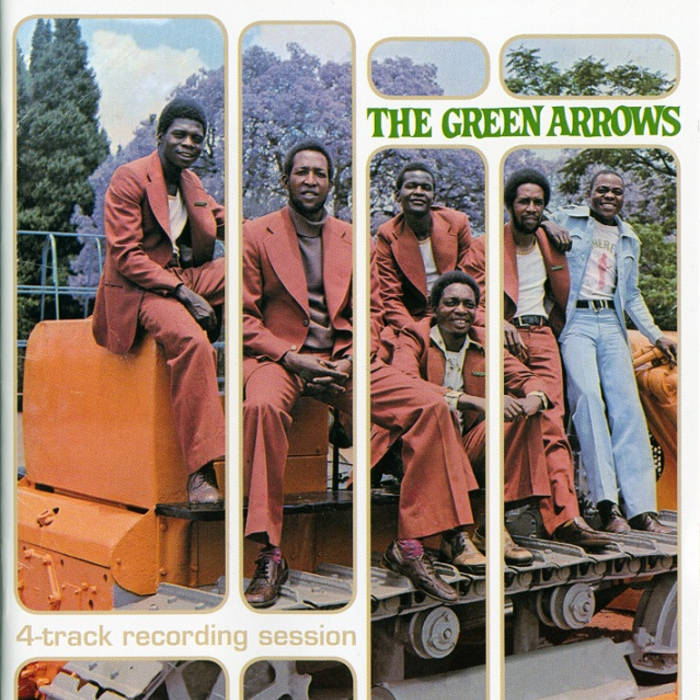
At the centre of his legacy is the understanding that the liberation war was fought not only in the bush but in the imagination of ordinary people. Music was the vehicle through which the hope of emancipation travelled from village to village, from mine compounds to townships. Manatsa’s Green Arrows band became emissaries of this spirit, their sungura-infused rhythms echoing through beerhalls, weddings, and clandestine meetings. To the untrained ear, these were simply songs of social life; to those attuned to the pulse of the struggle, they were maps of survival and promises of tomorrow.
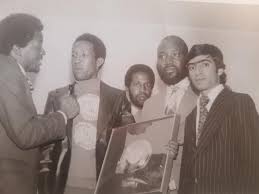
Consider the refrain from one of his liberation-era songs: “Nyika yedu inoda vanhu vayo, vanoshingirira kusvika magumo”—“Our country needs her people, who must endure until the end.” The phrase on its surface reads like a homily on patience, but to those who lived under the weight of Rhodesian rule, it was an exhortation to perseverance in the fight. Through such coded poetry, Manatsa built a repertoire that fortified spirits without courting the Rhodesian censor’s wrath.



His genius lay in his ability to thread political meaning into the fabric of the everyday. A song about farming could suddenly take on revolutionary overtones, reminding listeners that the soil tilled by black hands had been unjustly alienated. A humorous ditty about family squabbles could, in the right ear, evoke the fractures of colonial society. This use of allegory was part necessity, part artistry. By embedding resistance in metaphor, Manatsa ensured that his music circulated widely without being silenced, while listeners constructed their own liberatory meanings.

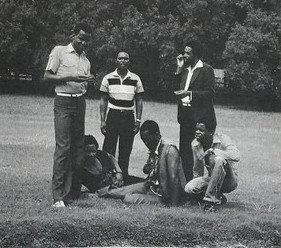
During the years of the Second Chimurenga, music functioned as a clandestine form of communication. Guerrilla fighters in the rural zones drew inspiration from the voices of Mapfumo, Mtukudzi, and Manatsa, each offering different shades of encouragement. Where Mapfumo’s chimurenga carried the clang of urgency, Manatsa’s voice embodied steadiness and wit. His songs reassured a weary people that struggle was not only about sacrifice but also about retaining humanity in the midst of conflict. One recalls his playful line, “Zvinhu zvichanaka mangwana”—“Things will be better tomorrow.” It was at once a lullaby and a prophecy, sung in bars where miners gathered, in rural dances where young people secretly rehearsed the independence to come.
The Green Arrows’ popularity also gave Manatsa a platform to travel extensively across Zimbabwe, making his music one of the most pervasive vehicles of nationalist sentiment. Unlike formal political speeches, which were risky to convene and often dispersed by police, a concert could gather thousands under the guise of festivity. In those moments, Manatsa’s lyrics were not merely entertainment but education—reminders of a shared destiny, rehearsals for nationhood.

The cultural function of such music was profound. Colonialism had fractured African identities, making many doubt their own capacity for self-rule. By reclaiming indigenous idioms, weaving them with biblical references familiar to a Christianised audience, Manatsa gave his listeners a vocabulary for dignity. A lyric like “Jehovah haasi wevashoma, ndewose”—“God does not belong to the few, He is for all”—was both theological reassurance and a political rebuke to a system that enshrined white minority privilege. His audiences, singing along, participated in an act of collective defiance wrapped in devotion.
As the war dragged on through the 1970s, such music became indispensable. Fighters at the front and workers in cities alike needed more than weapons; they needed morale, the sense that history was bending towards their liberation. Manatsa’s voice, broadcast on radio or carried on vinyl records, was part of that arsenal. On the night of independence in 1980, when Zimbabweans poured into the streets, it was not only the political leaders who were hailed as heroes but also the musicians who had carried the nation through darkness with song.
What sets Manatsa apart in this pantheon is the texture of his artistry. He did not trade solely in the solemn or the militant; he preserved laughter in the struggle. His playful narratives reminded listeners that to fight for freedom was also to affirm life in its fullness. To dance to his music in the midst of war was not escapism but resistance: an insistence that joy itself could not be colonised.
Today, when we revisit his catalogue, we encounter more than melodies. We encounter a chronicle of endurance, a testimony to how art can shield and nurture the soul of a people under siege. To dismiss Manatsa as merely a musician would be to misunderstand the nature of liberation itself. Independence was achieved through guns, yes, but also through guitars; through the courage of fighters, but also through the courage of singers who dared to translate the people’s whispered hopes into public performance.
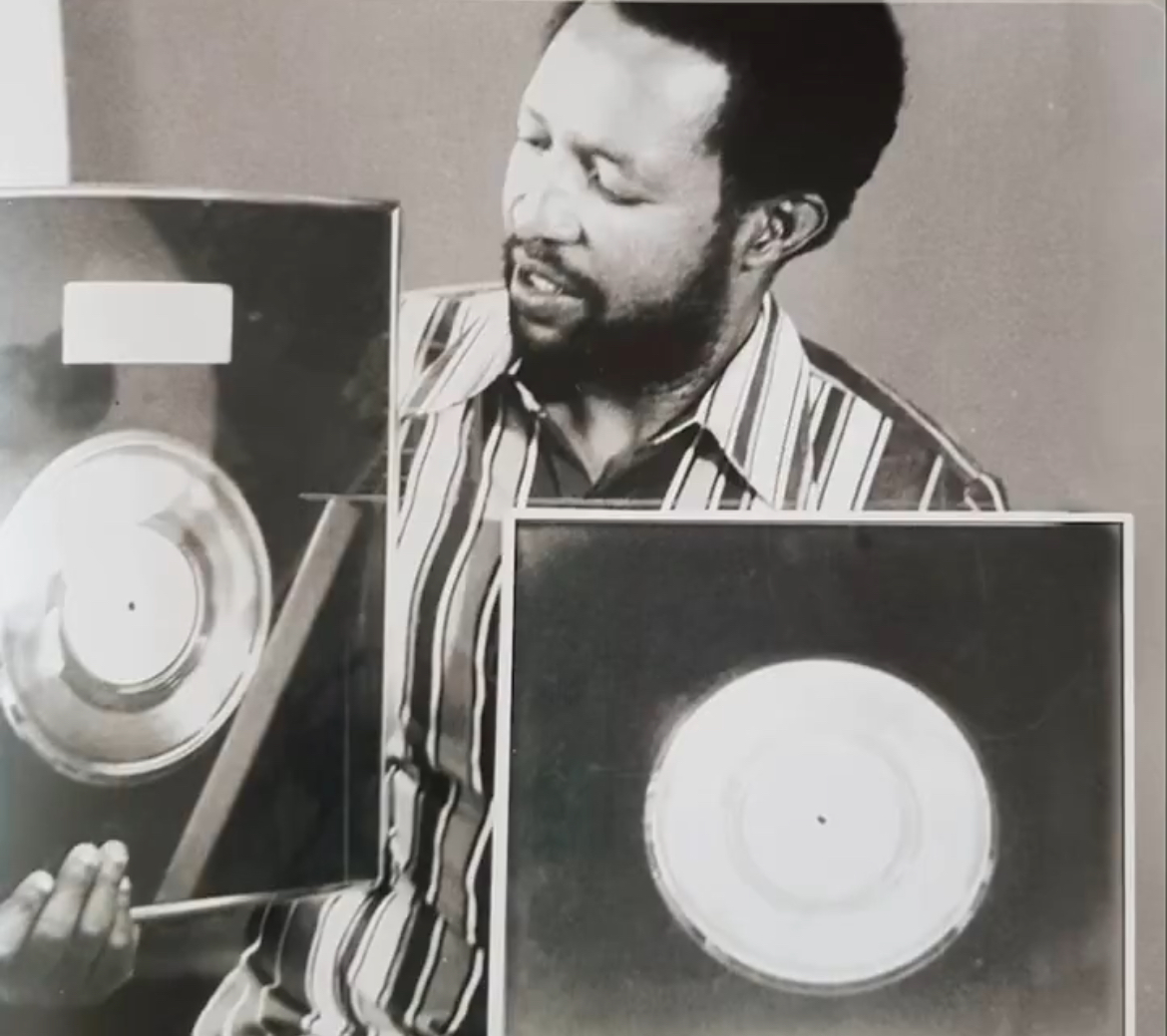
In remembering Zexie Manatsa, we are reminded of the importance of cultural memory in nation-building. His songs remain archives of resilience, teaching us that the African struggle for dignity is fought not only on battlefields but also in dancehalls, in lyrics sung under one’s breath while walking home under curfew, in the steady strum of a guitar carrying the heartbeat of a nation. Preserving his legacy is not nostalgia; it is a duty to honour the ways in which art sustained liberation.

Manatsa has left us, but his melodies continue to speak. They remind us that history is not merely the record of battles fought and treaties signed; it is also the echo of voices that refused silence. In every line where he urged patience, in every proverb repurposed for struggle, Zexie Manatsa played his part in making Zimbabwe free.