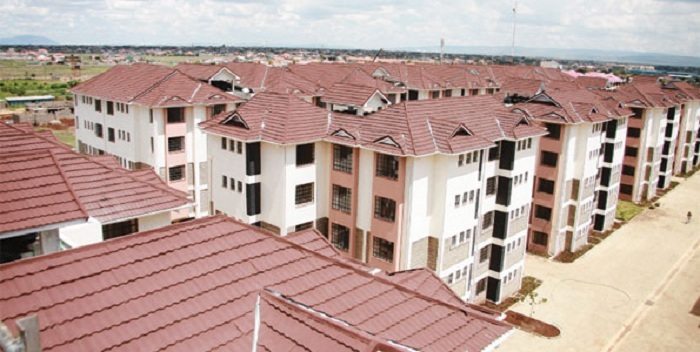
The Government of Mozambique has launched a national housing initiative designed to expand access to serviced residential land and support sustainable urban development across the country. The Infrastructure Land Project, inaugurated on Thursday by President Daniel Chapo in Faiquete, Vilankulo District of Inhambane Province, marks the beginning of a programme intended to address structural housing challenges, particularly among the country’s younger demographic.
The project commenced with the allocation of 1,200 fully serviced land plots, equipped with basic infrastructure such as roads, water supply, and electricity. With an initial investment of 40 million meticais (approximately 632,211 U.S. dollars), the project is part of a wider plan to provide 49,000 similar plots nationally. According to government estimates, young people—who comprise approximately 60 percent of Mozambique’s population—are expected to be the principal beneficiaries of the scheme.
The programme incorporates a range of policy measures aimed at increasing housing affordability and supporting local industry. These include efforts to regulate the housing market, promote the use of domestically sourced construction materials, and encourage the adoption of environmentally sustainable building techniques. In addition, the initiative places emphasis on the development of complementary infrastructure, including educational, healthcare, and recreational facilities.



The government has also announced plans to engage with private sector partners to mobilise additional financing and introduce innovative construction technologies. According to statements made during the launch event, considerations of climate resilience have been integrated into the planning process. These include the installation of drainage systems to mitigate flood risk and the conservation of natural lagoons with the potential to contribute to the tourism sector.

President Chapo urged recipients of the land plots to adhere to construction timelines and contribute financially to infrastructure maintenance where appropriate, noting the importance of community involvement in ensuring the long-term sustainability of the programme.
The initiative forms part of broader national efforts to manage rural-to-urban migration and reduce the growth of informal settlements. By facilitating access to planned, serviced land in urban and peri-urban areas, the project aims to support more equitable and organised urban expansion.
Independent observers have noted that while the scope of the initial phase is limited relative to overall national demand, the project introduces a framework that, if effectively implemented, could inform future housing and land-use strategies. Its alignment with Sustainable Development Goal 11 on inclusive, safe, resilient and sustainable cities further situates it within international development priorities.
The government has not yet released detailed timelines for future phases or clarified the specific eligibility criteria for plot allocation beyond demographic targeting. However, further announcements are anticipated as implementation progresses across additional provinces.