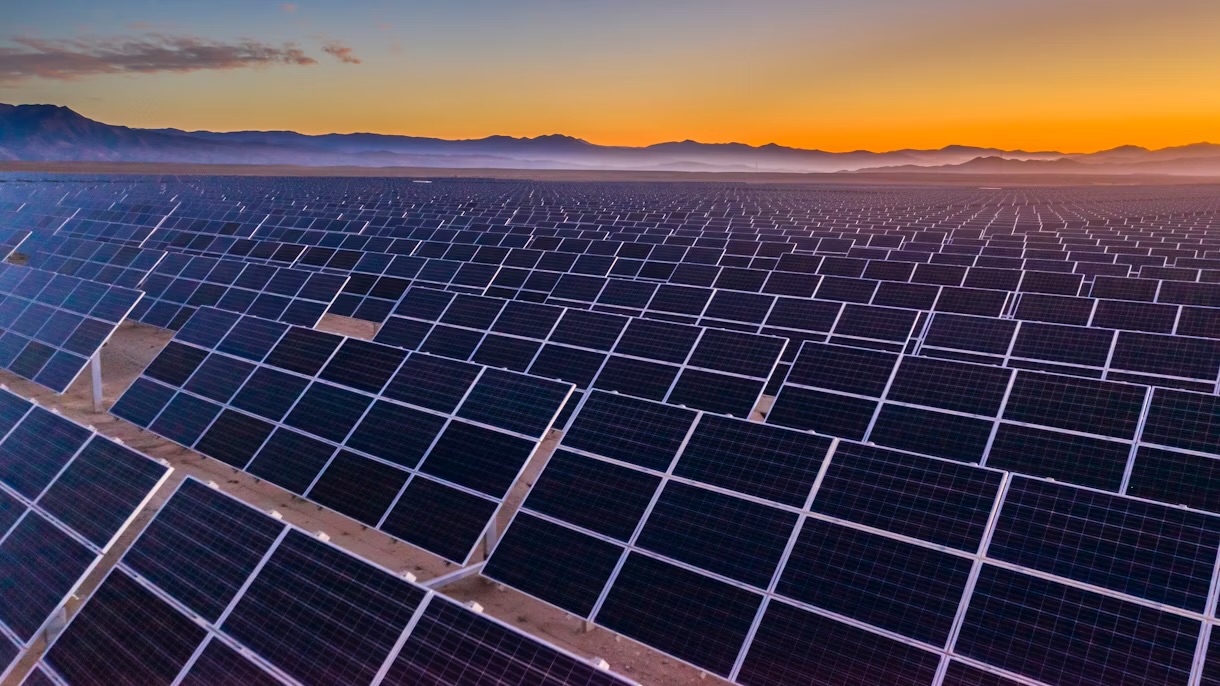
Africa’s solar photovoltaic (PV) market is poised for substantial expansion, with projections indicating a 42% year-on-year increase in 2025, following a temporary slowdown in 2024. This surge is expected to result in the installation of an additional 23 GW of solar capacity by 2028, effectively more than doubling the continent’s current capacity, according to the Global Solar Council.
The anticipated growth is not confined to a select few nations; in 2025, it is projected that 18 African countries will each install at least 100 MW of new solar capacity, a significant rise from just two countries in 2024. This broader distribution of solar installations is expected to lower costs, create employment opportunities, and stimulate industrial development across the continent, as detailed by the Global Solar Council.
Despite these advancements, Africa’s solar potential remains vastly untapped. The continent possesses 60% of the world’s best solar resources, yet it accounts for only 1% of global solar generation capacity, according to The World Economic Forum. This stark contrast underscores the need for increased investment and infrastructure development to harness this abundant resource effectively.




A key challenge hindering the full exploitation of Africa’s solar potential is the high capital cost associated with solar projects. Solar energy costs in Africa are three to seven times higher than in developed economies, primarily due to perceived investment risks and inadequate financing mechanisms. At present, the continent receives a mere 3% of global energy investments, far short of the $200 billion per year required to achieve universal energy access and climate objectives, as outlined by the Global Solar Council.
To bridge these financial barriers, innovative financing mechanisms, de-risking instruments, and increased private sector involvement will be essential. Expanding access to low-cost finance is pivotal in unlocking Africa’s vast solar potential and ensuring that solar energy plays a central role in the continent’s future energy landscape.
While Africa’s solar PV market is on an upward trajectory, fully realising its potential necessitates strategic investments and supportive policies to address financial and infrastructural constraints. With enhanced investment flows and targeted policy interventions, solar energy can become a cornerstone of Africa’s sustainable development and energy security.