Libya is set to launch its first oil exploration bidding round in more than 17 years, a major step toward revitalizing its energy sector, acting Chairman of the National Oil Corporation (NOC) Masoud Suleman announced in a televised address on Monday. As Africa’s second-largest oil producer and a member of OPEC, Libya’s return to offering exploration rights could attract new investments, despite the country’s long-standing political instability.
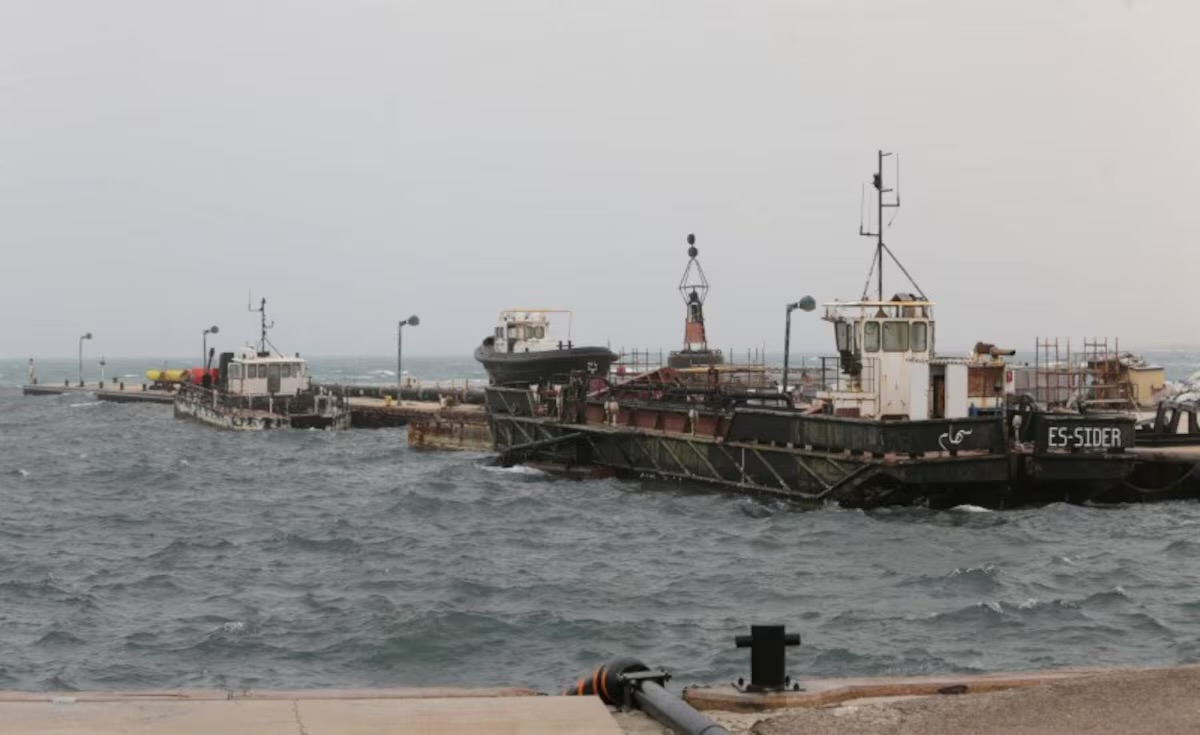
Since the 2011 overthrow of Muammar Gaddafi, Libya has been plagued by internal conflicts, with armed factions frequently clashing over control of the country’s vast oil wealth. These disputes have led to repeated shutdowns of key oilfields, disrupting production and exports. In August, Libya’s oil output plummeted by more than half—losing about 700,000 barrels per day (bpd)—as rival political factions clashed over control of the central bank. Export operations at several ports were also halted during the standoff, which lasted for over a month before production gradually resumed in early October.
Despite the uncertainty, international oil giants are showing renewed interest in Libya. Major players such as Eni, OMV, BP, and Repsol resumed exploration activities last year after a decade-long hiatus. Italy’s Eni had already made a significant move in 2023 by signing an $8 billion gas production deal with the NOC, signaling confidence in Libya’s long-term energy prospects.




Libya’s acting oil minister, Khalifa Abdulsadek, previously stated that the country requires between $3 billion and $4 billion in investment to boost output to 1.6 million bpd. Currently, Libya’s crude production stands at over 1.4 million bpd, approximately 200,000 bpd short of its pre-civil war peak. However, as a member of OPEC, Libya benefits from an exemption to the OPEC+ output restrictions, allowing it to push production higher as stability improves.
With the upcoming bidding round, Libya is aiming to attract much-needed foreign investment to unlock its vast untapped reserves and strengthen its energy sector. However, investors remain cautious, aware that political instability and security challenges could still pose significant risks. If the country can maintain relative peace and ensure regulatory clarity, this bidding round could mark the beginning of a new chapter for Libya’s oil industry.